Are you trying to fit nose surgery in Seoul into a fixed block of leave, and wondering what your rhinoplasty recovery week by week will look like before you book the flight home?
Stitches come out 5–7 days after surgery. Daily life usually resumes within 5–7 days after a first low-bridge rhinoplasty, or within 7 days after a revision. The swelling in the tip keeps settling for months after you get home.
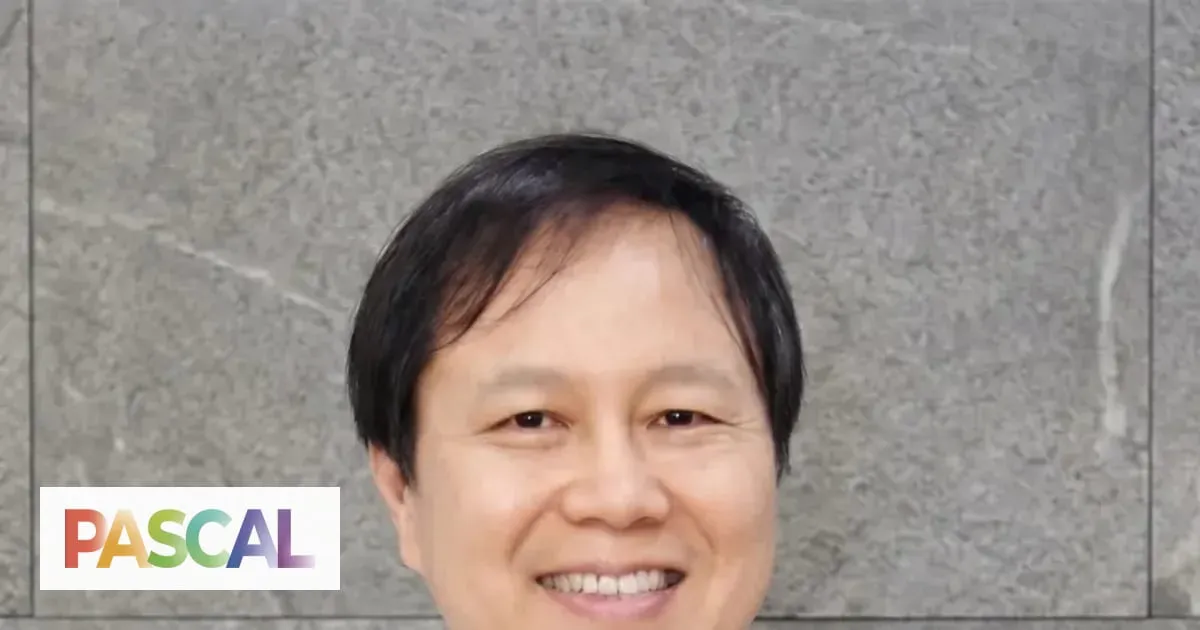
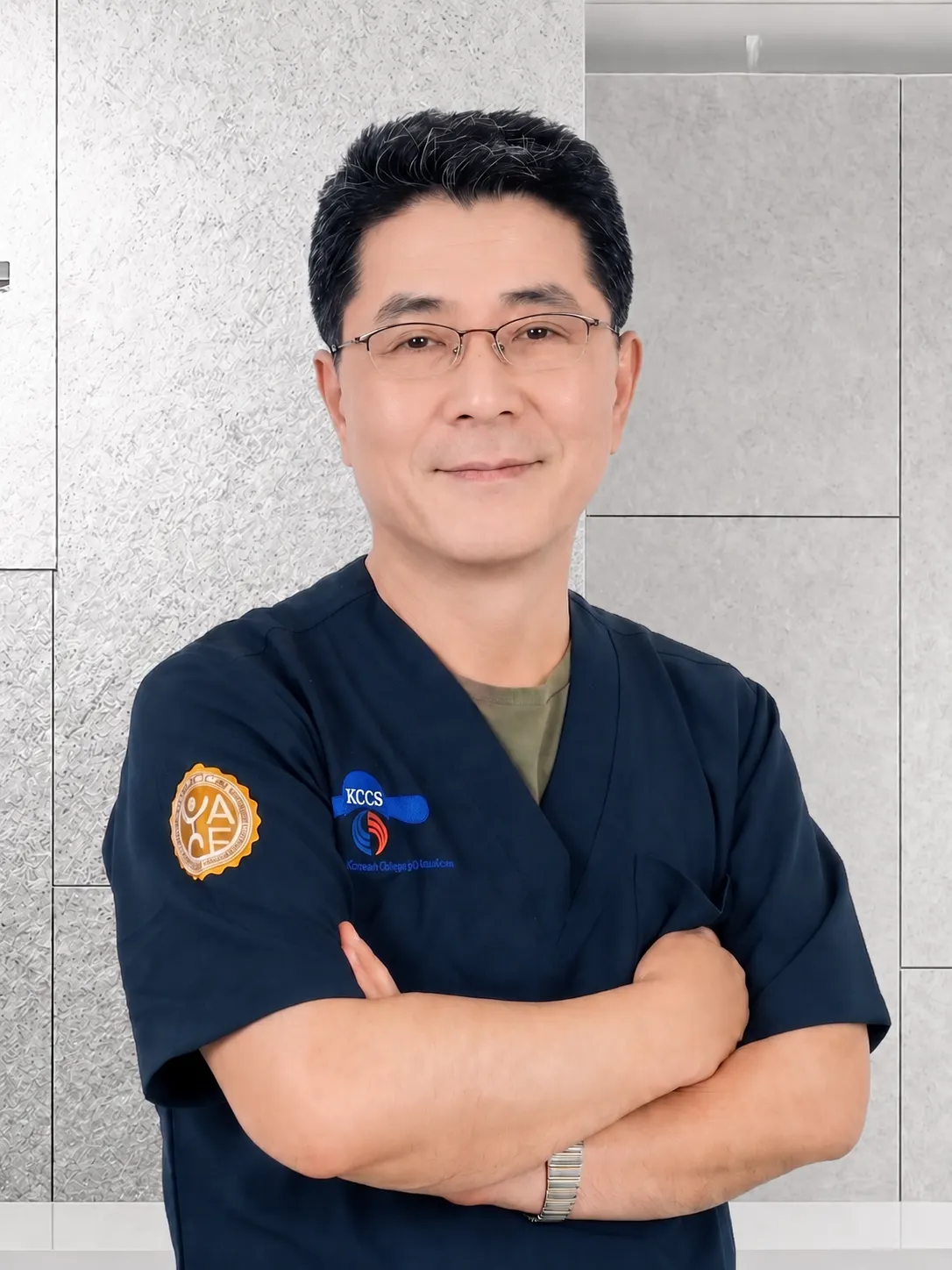
Hello, I'm Dr. Bae Seung-joo, a plastic surgery specialist (MD, PhD) and a Director at Pascal Clinic in Gangnam.
I perform both first-time and revision rhinoplasty. That matters for your timeline, because a nose that has already had surgery heals more slowly. If English isn't your first language, you get a medical interpreter for your language at no extra charge.
If you already have dates in mind, send them on WhatsApp with one front photo and one side photo of your nose. Ask how many check-up visits your surgery would need before that flight.
Send your flight dates and nose photos on WhatsApp
Get a free consultation in 1 minuteWhat does the first week feel like, day by day?
You spend the first week in Seoul. Most of the bruising and the blocked nose happen in this week. It also holds the one appointment you can't move: stitch removal at day 5–7.
Surgery day. A first rhinoplasty for a low nasal bridge takes about 60–90 minutes under sedation or local anesthesia. It raises the bridge and tip with an implant or your own tissue. A revision takes about 1.5 to 2 hours under sedation or general anesthesia. You'll usually leave with tape and a splint on the outside of the nose, and the inside will feel packed. Expect to breathe through your mouth that first night.
Risks and side effects to know
Days one to three. These are the heaviest days. The discomfort is mostly pressure and a stuffed, heavy feeling, and sharp pain is less common. Bruising under the eyes tends to peak around day two or three, then starts to turn yellow. After a first rhinoplasty, use cold compresses four times a day for the first 2 days. After a revision, keep them going for 2–3 days. Sleep with your head raised, and don't lie face down.
Days four to seven. The swelling around your eyes goes down. From a few steps away your face looks like yours again, and the hotel room starts to feel small. Stitches come out 5–7 days after surgery.
One scheduling detail many people miss: the clinic is open Monday to Friday 10:00–19:00 and Saturday 10:00–17:00, and closed on Sundays and public holidays. Count forward from your surgery date. If days five to seven fall on a Sunday or a Korean holiday, the stitch-removal visit moves, and your flight may need to move with it.
Weeks two to four: back at work, still swollen
With the splint off, the nose looks wide and puffy, especially at the tip. By the second week, most bruising has faded or can be covered with makeup. For many people this is when desk work and video calls start again.
Pressure is the main thing to avoid in these weeks. After a first rhinoplasty, don't sleep face down and don't press on the nose. After a revision, keep your hands off the nose for at least 2 weeks, and keep using the ointment and prescribed medication for 1–2 weeks.
Glasses catch people out. A pair resting on a healing bridge presses on it for hours every day. If you can't, ask your surgeon before you leave Seoul how to wear glasses without the frame sitting on the bridge.
Hard exercise, heavy lifting and anything that makes your face flush usually wait a few weeks, because a rise in blood pressure can bring back swelling and bleeding. Walking is fine early on.
Why does the tip stay swollen after the bruises are gone?
The skin over your bridge is thin and sits close to bone and cartilage, so it settles quickly. The skin over the tip is thicker, has more oil glands, and has to drain fluid through tissue that was just lifted and reshaped. Swelling clears from the top down. The bridge looks defined first and the tip comes last.
Two things slow this down further. A revision adds scar tissue from the earlier operation, and scar tissue drains poorly. The American Society of Plastic Surgeons notes that the first swelling goes down within a few weeks, but the nose can take up to a year to reach its final contour. Mornings are often puffier than evenings.
The practical tip: don't judge the tip from a selfie in week three. The shape you see then is mostly fluid.
How many days should you stay in Seoul?
Only the first week of rhinoplasty recovery week by week has to happen in Seoul. That week holds the stitch removal and the check-ups. Everything after it is waiting, and you can wait at home.
| First low-bridge rhinoplasty | Revision rhinoplasty | |
|---|---|---|
| Operation time | About 60–90 minutes | About 1.5–2 hours |
| Anesthesia | Sedation or local | Sedation or general |
| Stitches out | 5–7 days after surgery | 5–7 days after surgery |
| Back to daily life | Within 5–7 days | Within 7 days |
| Stitch-removal and check visits | 1–2 | 2–3 |
| Cold compresses | 2 days, four times a day | 2–3 days, four times a day |
Arrive with time for the in-person exam before surgery, because that exam decides whether the plan made from your photos still holds. Have surgery early in the trip so the 2–3 visits fit before you leave. Then book the flight for the day after stitch removal, not the same afternoon. If the exam turns up inflammation around the old implant, the plan can change, and so can the number of days.
Thinking of doing contouring on the same trip? Bone surgery heals on its own schedule. Our travel guide to cheekbone reduction surgery in Korea covers that schedule, and how cheekbone reduction softens the face covers who it suits. Plan the two procedures separately with your surgeon before you add up days.
Doctor's note
When a revision is involved, I count the spare day in Seoul as part of the surgery. In a revision, breathing comes first, and the profile follows.
For a revision, send the year of your last operation, what was used if you know it (implant or cartilage), and a side photo taken in daylight. Ask whether your case looks like a two-visit or a three-visit stay. For revision cases, the team will tell you whether a revision is likely to help.
The flight home and your first weeks back
Cabin air is dry, and a nose that is still congested will feel it. Pack your prescribed medication and ointment in your carry-on, not in the checked bag. Use a neck pillow so you don't fall asleep with your face against the window or the seat in front. Changes in cabin pressure can make the nose feel full on descent. This usually passes after landing.
Before you leave Seoul, ask for a short note of what was done: implant or own tissue, and which areas were changed. Any doctor who sees you at home will need it. If something looks different once you're home, send a clear photo on WhatsApp with the date of your surgery.
Bleeding, infection and breathing problems: what to watch for
Bruising, swelling, a blocked nose, a numb tip and small nosebleeds in the first days are common and temporary. The American Society of Plastic Surgeons lists the less common risks, including bleeding, infection, poor wound healing or scarring, numbness, breathing difficulty, a hole in the septum and the possibility of another revision. Surgery carries risks such as bleeding, infection and inflammation, and your surgeon explains them before you decide. Individual results vary.
In general medicine, these are reasons to wait or to talk it through first: a current cold or sinus infection, blood thinners or supplements that affect bleeding, smoking you can't stop around the surgery, pregnancy, or active inflammation around an old implant.
Once you're home, see a local doctor the same day for a fever, redness or warmth that spreads over the nose, discharge, bleeding that won't stop with gentle pressure, or an implant edge showing through the skin. If a mark from earlier surgery still bothers you after the nose has settled, our guide to scar revision surgery in Seoul explains how scars are made flatter and less visible.
The rhinoplasty recovery week by week laid out above gives you a draft calendar. To finish it, send your flight dates and a front and side photo of your nose on WhatsApp, along with one question about your own case, such as whether your last surgery changes how many visits you need. The consultation is free. If you're ready to book, ask in the same message how the deposit and payment work, since both are settled after the consultation. At the exam in Sinsa, I check in person how the skin over your tip feels and, in a revision, where the old implant sits.
Send your flight dates and nose photos on WhatsApp
Get a free consultation in 1 minuteFrequently asked questions
Can I wear glasses after rhinoplasty?
Try to keep frames off the healing bridge for the first several weeks, because hours of pressure every day can mark or shift it. Wear contact lenses if you can, and ask your surgeon before you leave Seoul how to wear glasses safely in the meantime.
Will I be able to breathe through my nose on the flight home?
Not fully, in most cases. If you fly the day after stitch removal, the inside of your nose is still swollen, so expect some congestion and a dry mouth. Drink water, avoid alcohol on board, and use only the nasal care your surgeon has approved.
Does revision rhinoplasty recovery take longer than a first surgery?
Yes, a little. Daily life resumes within 7 days after a revision, against 5–7 days after a first low-bridge rhinoplasty. A revision needs 2–3 stitch-removal and check visits instead of 1–2, and you should keep your hands off the nose for at least 2 weeks. Scar tissue also makes tip swelling last longer.
When can I go back to the gym after nose surgery?
Walking is fine early on. Running, heavy lifting and anything that makes your face flush usually wait a few weeks, and contact sports wait longer, because higher blood pressure can bring back swelling or bleeding. Ask your surgeon for your own date before you fly home.
Can I get an idea of the plan before I travel?
Yes. Send your goal and clear front and side photos on WhatsApp. Your surgeon still confirms the plan at an in-person exam in Seoul.
This article is general information, not medical advice. Individual results vary, and surgery carries risks such as bleeding, infection and inflammation. Your surgeon confirms suitability at an in-person exam. Read the medical disclaimer.
Scar reconstruction · Facelift · Rhinoplasty · Eyelid surgery · Skin