
Cheekbone reduction is for a face that looks wide from the front, or a cheekbone that casts a strong shadow under the eye. The aim is a smaller face shape with a softer curve, while keeping the youthful lift of the cheek. This guide explains how Pascal plans the bone path, what the surgery involves, and what recovery looks like.
What does cheekbone reduction change?
Cheekbone reduction narrows the face by treating the front, 45° and side views together. The front of the cheekbone is cut, rotated and moved, which reduces protrusion and reshapes the curve. Because the change happens in the bone, the result is a different structure from a soft-tissue treatment.
You may notice the effect in a few places:
- Your face width is reduced, giving a smaller face shape.
- The curved cheekbone line looks softer from the side.
- The area under the cheekbone, which can look hollow, is shaped with the surrounding tissue.
- The right amount of front cheek volume is kept, so the face does not look flat.
These are the outcomes Pascal describes for the procedure. Individual results vary, and your surgeon confirms the plan at an in-person exam.
Who is cheekbone reduction for?
The procedure suits people who recognise one or more of these concerns:
- Your cheekbones stick out to the side and widen your face.
- Your 45° cheekbone casts a strong shadow under the eye.
- The area under the cheekbone looks hollow and makes you look older.
- Your face outline looks uneven, and you want a smooth curve.
- You want a smaller cheekbone without losing a youthful lift.
If your concern is mainly skin laxity rather than bone shape, a different plan may fit better. Your surgeon explains the options at the exam.
How does Pascal plan the bone path?
Planning is the most important stage of cheekbone reduction. The bone cut is designed before surgery, so the surgeon knows where each cut and movement will happen.
Pascal analyses cheekbone thickness and protrusion angle on a 3D CT simulation. The planned cutting path is designed to avoid nerve injury. The oral and maxillofacial team plans the bone path, which is the part of the surgery that changes the shape of the cheek.
The plastic surgery team cares for the soft tissue. This matters because the cheeks should not sag after the bone is reshaped. The two teams work together so bone and skin are considered in one plan.
A 3D CT view shows the bone from several angles, so the plan starts from your own anatomy rather than a standard template. This is why the first exam matters: it is the point where your face shape, cheekbone thickness and protrusion angle are measured before any decision is made.
What happens during surgery?
Surgery takes about 90–120 minutes under general anesthesia. The surgeon follows the bone path from the 3D CT plan, so the cut and movement match the simulation. Soft-tissue care is planned alongside the bone work.
Your surgeon gives detailed post-operative instructions, including diet, activity and check-up dates. Plan to have 2–3 check-ups after surgery, so the healing can be monitored step by step.
What does recovery look like?
Stitches come out about 7 days after surgery. Most people return to daily routines in 7–10 days. Recovery depends on your surgeon's instructions, so follow the diet, activity and check-up schedule closely.
Because the stay in Seoul is tied to these check-ups, plan your visit with your coordinator before you book. The clinic can help you map the dates against your travel schedule.
Send a front and side photo on WhatsApp and get a first opinion from the clinic team on your face shape.
Get a free consultation in 1 minuteIs there a price for cheekbone reduction?
Prices for jaw and facial contouring surgery are quoted after an in-person exam. The clinic's published prices list other procedures. Ask your coordinator for a written quote after your exam.
Questions to ask at your exam
- How is my cheekbone thickness and protrusion angle measured on the 3D CT?
- How is the bone path planned to avoid nerve injury?
- How will the plastic surgery team protect the soft tissue and prevent sagging?
- How many check-ups will I need, and when are they?
- What does the real case gallery show, and how do outcomes vary?
Related treatments
If you are also considering the lower face, the team reviews the two-jaw surgery with digital planning and bimaxillary protrusion surgery options. Your cheekbone reduction treatment page has the full list of facts, and the face contouring and jaw surgery overview explains how the options compare.
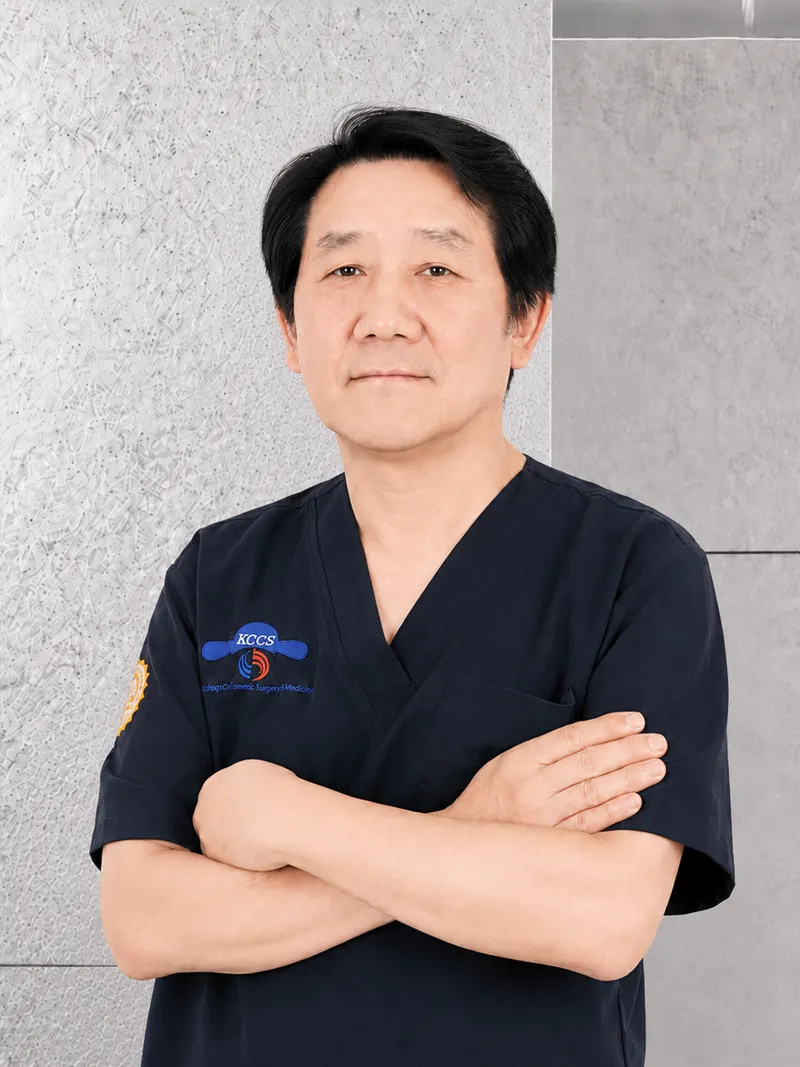
Dr. Choi Jin-young leads the planning for two-jaw surgery and the related face contouring procedures at Pascal. You can read the full background on Dr. Choi Jin-young’s profile.
Book a consultation to ask about your cheekbones, bone plan and recovery dates before you travel.
Get a free consultation in 1 minuteIndividual results vary. Your surgeon confirms suitability at an in-person exam.
Frequently asked questions
How is the bone cut planned?
Pascal analyses cheekbone thickness and protrusion angle on 3D CT simulation and designs a cutting path that avoids nerve injury.
Will my cheeks sag after cheekbone reduction?
The team pairs bone work with soft-tissue care through plastic surgery collaboration, aiming to avoid sagging.
How long should I stay in Seoul?
Stitches come out about 7 days after surgery and most people resume routines in 7–10 days, so plan your stay with your coordinator.
This article is general information, not medical advice. Individual results vary, and surgery carries risks such as bleeding, infection and inflammation. Your surgeon confirms suitability at an in-person exam. Read the medical disclaimer.
Two-jaw surgery · Bimaxillary protrusion · Facial contouring · Sleep apnea jaw advancement