
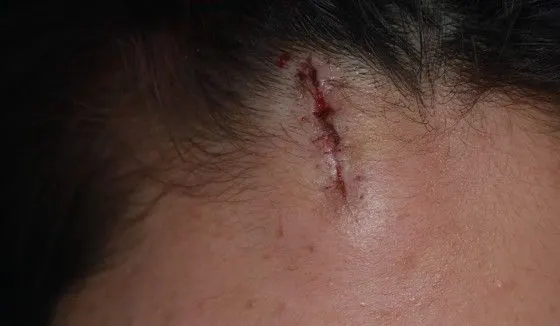
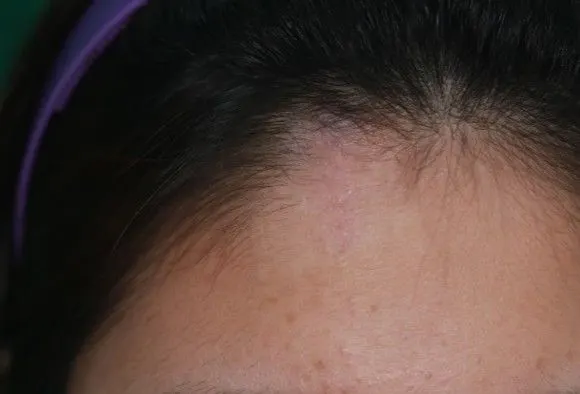
A scar looks different depending on its cause, depth, direction, height compared with nearby skin, and skin tension. One method does not fit all.

The story
A scar can look different depending on its cause, depth, direction, whether it is raised or sunken, and the tension in the skin around it. Two scars of the same length can need entirely different plans.
Pascal first assesses the shape and location of your scar. The options include excision and re-suturing, Z- or W-plasty, filler or botulinum toxin, and peels or lasers, and the method is chosen to fit the scar type.
The goal is not to erase a scar completely, but to reduce the difference from the surrounding skin so it stands out less. Treatment time ranges from 30 minutes to 2 hours, depending on the method.
Planned around your face
Pascal first assesses the shape and location of your scar, then chooses from excision and re-suturing, Z- or W-plasty, filler or botulinum toxin, and peels or lasers.
The goal is not to erase a scar, but to reduce the difference from surrounding skin so it stands out less.

Individual results vary. Your surgeon confirms suitability at an in-person exam.
Is it right for you?
A scar from an accident or surgery is noticeable and you want it improved
The scar is sunken or widened, and the height difference bothers you
The shape or texture still bothers you after previous treatment
A scar on an exposed area needs a fresh assessment
You need advice on surgery versus non-surgical treatment
Results you can expect
Individual results vary. Your surgeon confirms suitability at an in-person exam.
Step by step
Sunken, raised, width, length and surface texture are checked together.
Scar direction, movement and the pull of surrounding skin are considered.
Surgical and non-surgical options are planned for your current scar.
Before you book
Published prices
Korean won, before 10% VAT. See the full price list for every procedure.
Before & after
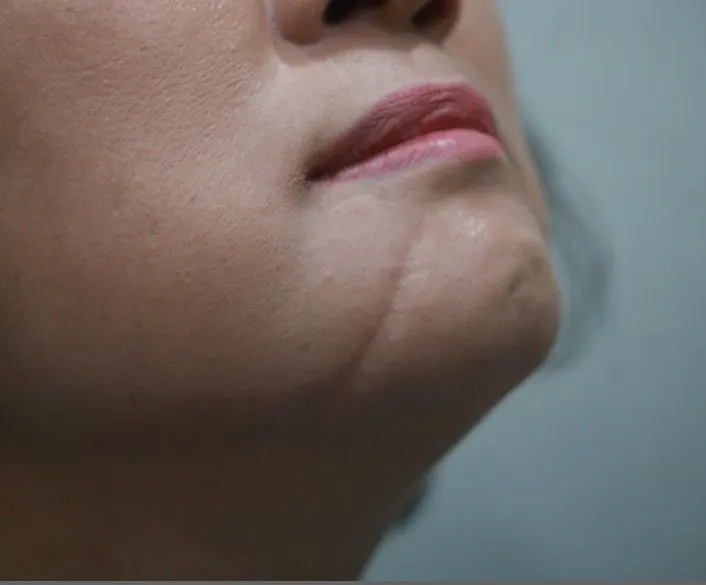
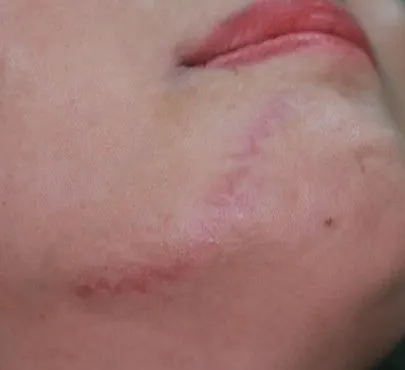
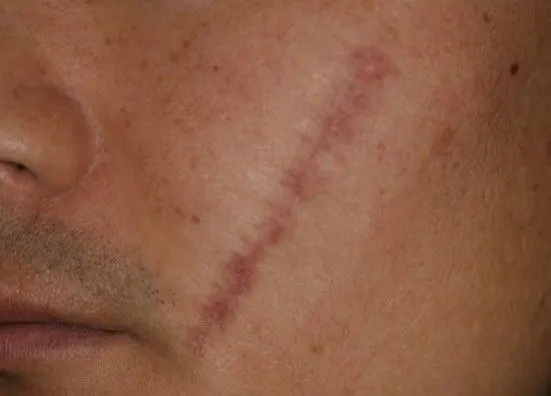
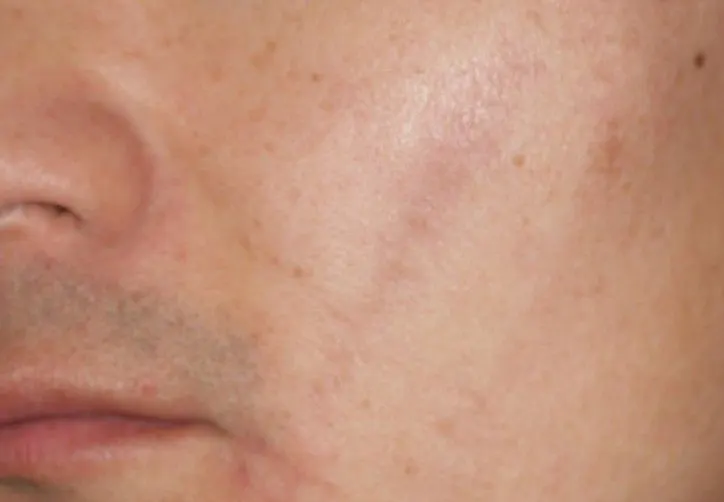
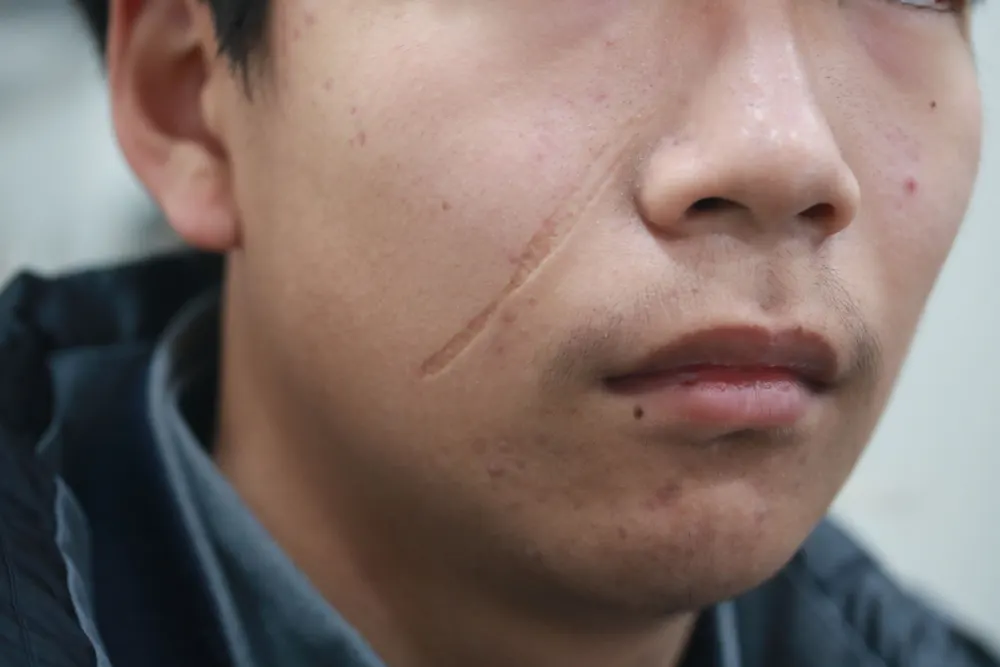
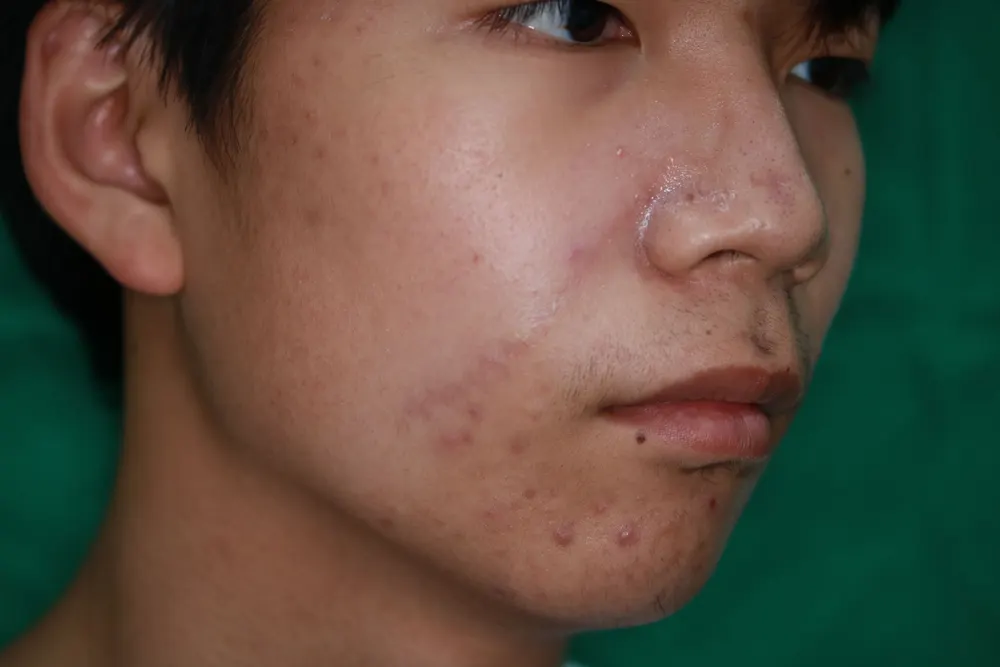
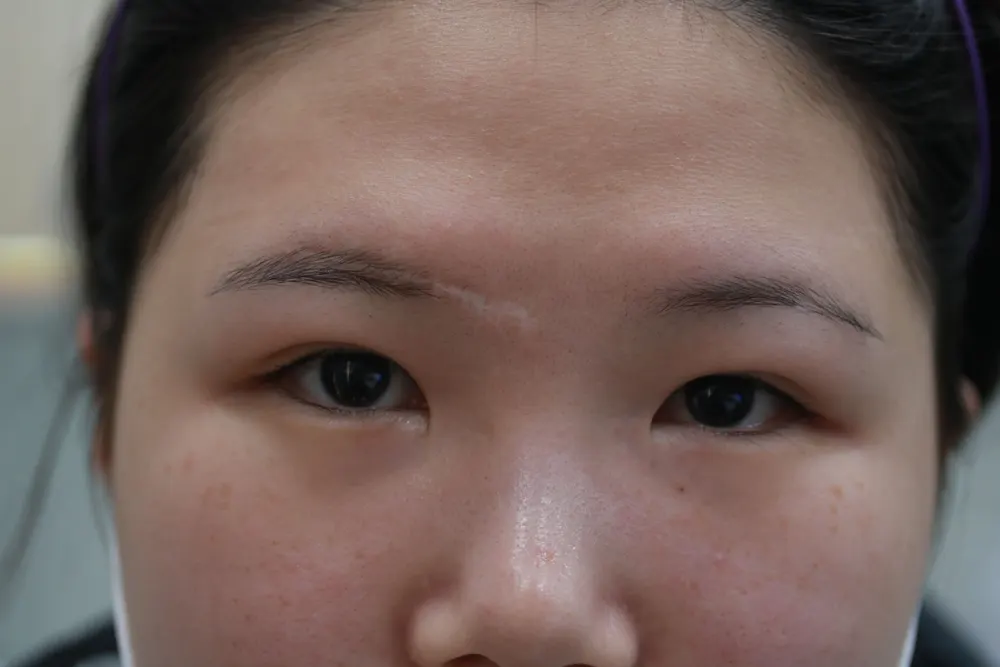
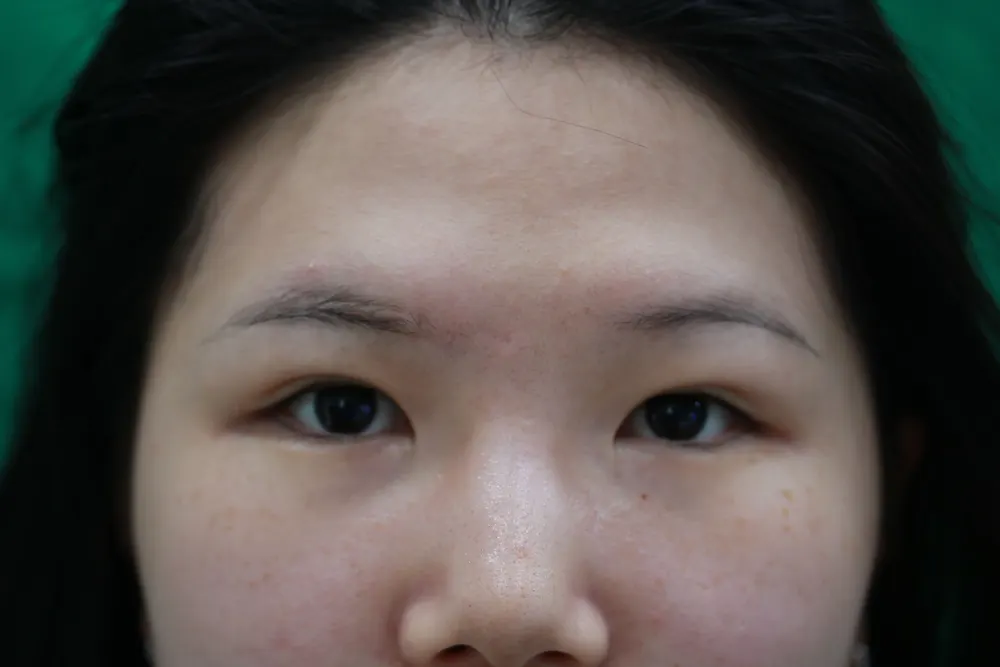
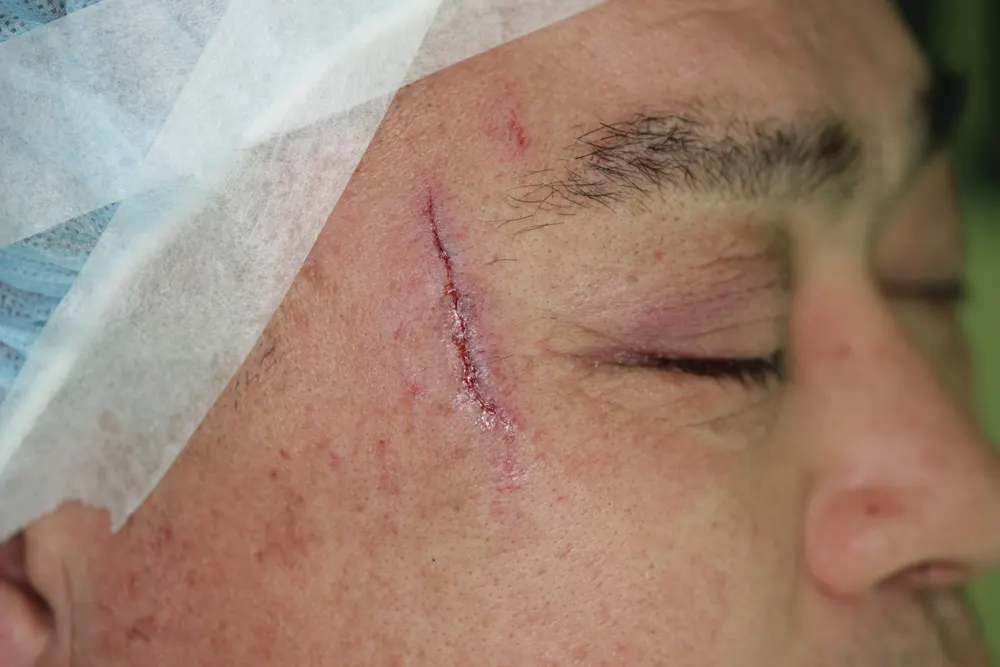
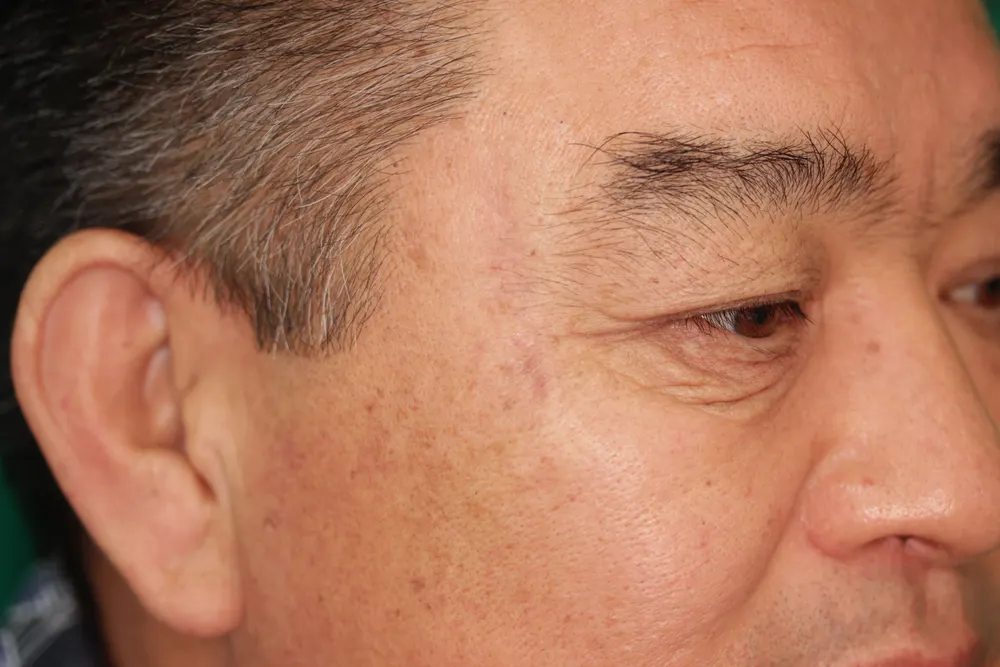
Individual results vary. These are Pascal Clinic patients treated by the surgeon named on each card. Procedure and time after surgery are shown where the clinic recorded them. Your surgeon confirms whether a procedure suits you at an in-person exam.
After the treatment
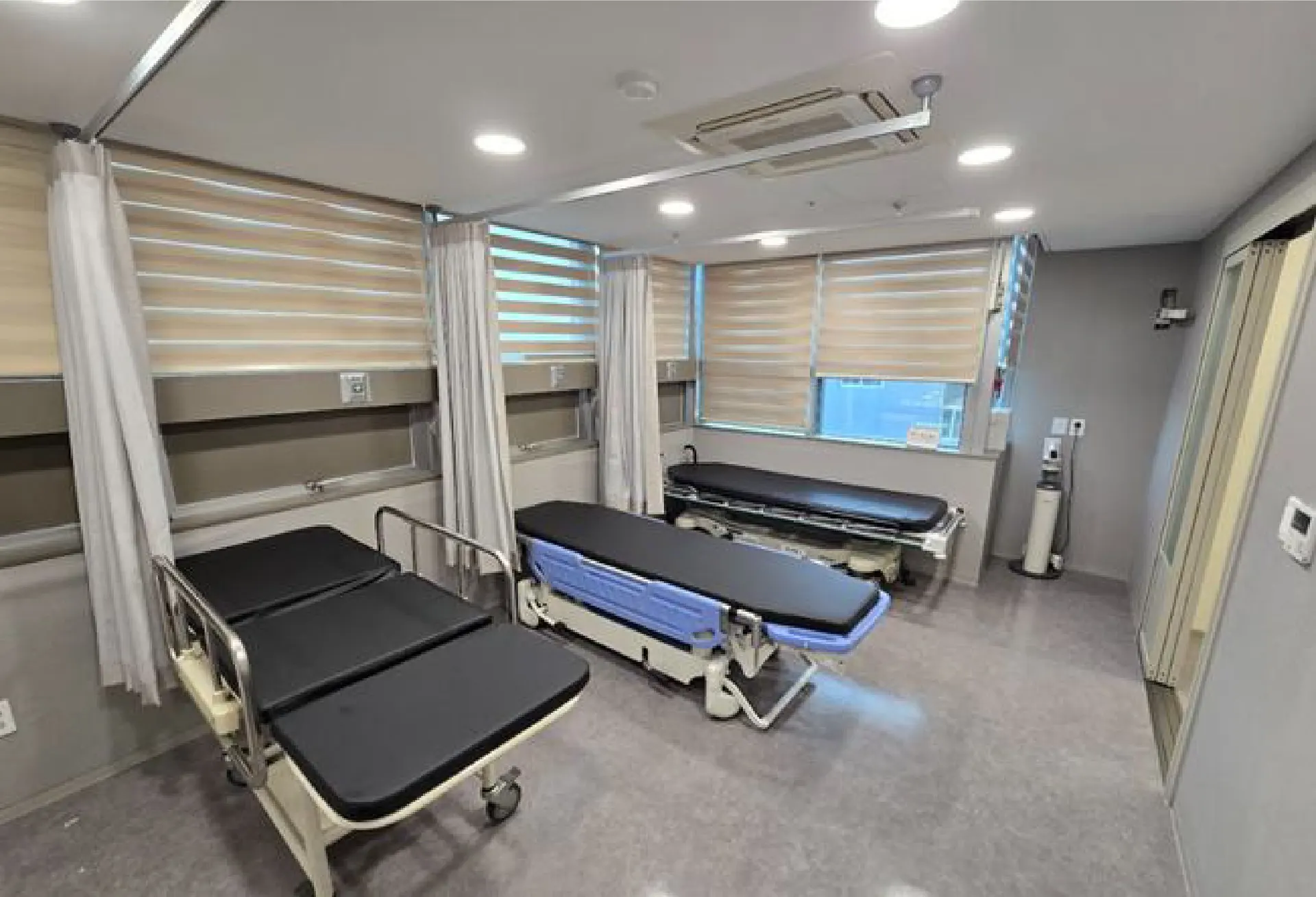
Keep the treated area clean as instructed and avoid strong irritation.
Do not pick scabs or flakes. Let them recover naturally.
Protect exposed areas from the sun to lower the chance of pigmentation.
After surgery, avoid pulling or pressure on the sutured area.
If anything looks unusual, contact the clinic instead of treating it yourself.
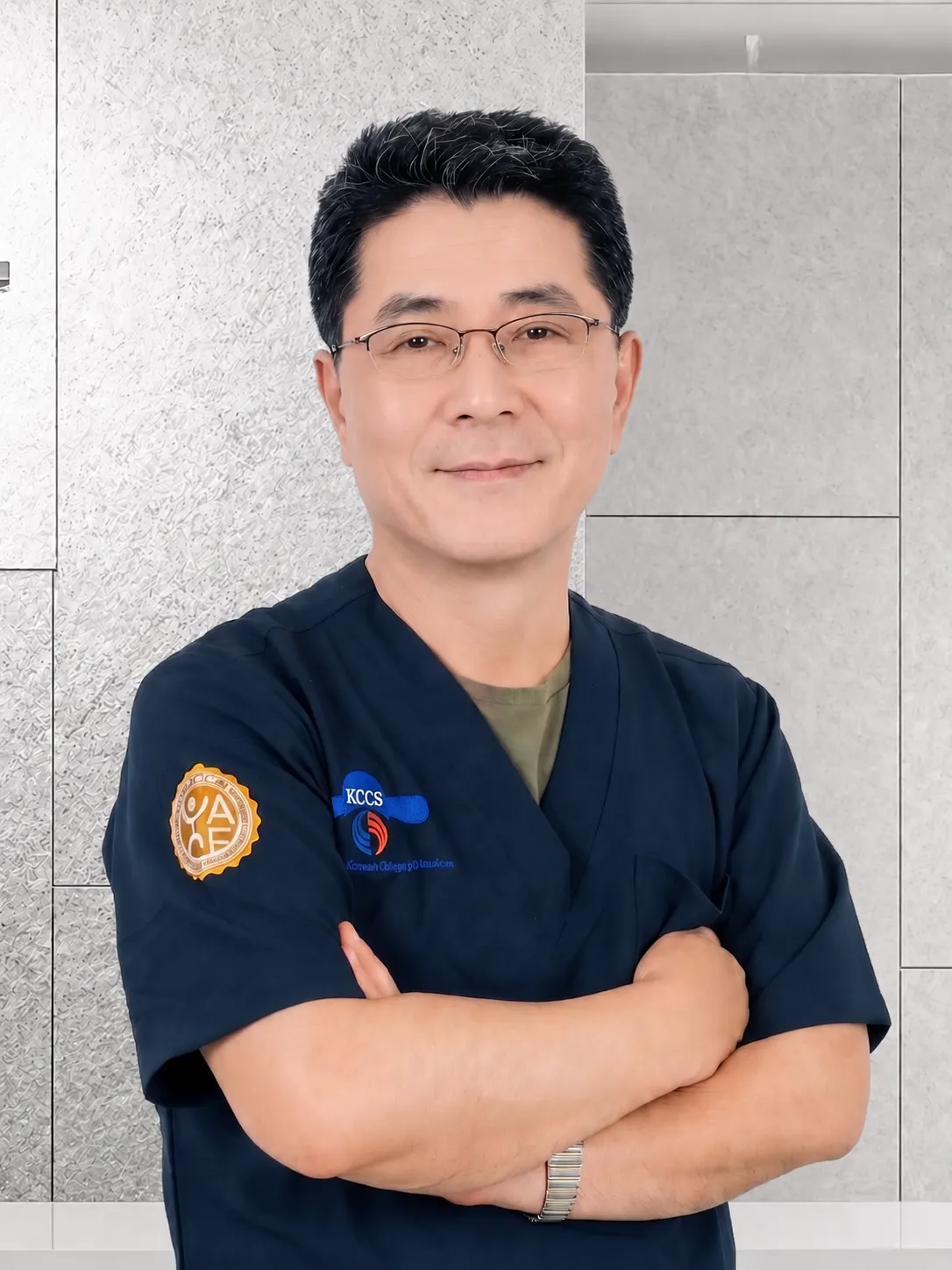
Your doctor
Director · MD, PhD · Plastic surgery specialist
Questions
Yes. Age alone does not decide it. The current shape, depth, location and surrounding skin are assessed first.
The number of treatments depends on scar type and method. The goal is to reduce the difference from nearby skin, not to erase the scar.
It depends on width, depth, direction and skin tension. Some scars need surgery and some suit non-surgical treatment.
It depends on the method and area. Your surgeon explains care and return timing for your plan.
PRF is prepared from your own blood and can be used as supportive care during recovery. Whether and when it is used is decided after assessment.

Activated cell therapy uses your own cells to regenerate damaged skin and improve elasticity, volume loss and wrinkles.

Mira Dry sends microwave energy to the sweat and odor glands at the dermis–fat boundary, while cooling protects the skin.…

An incisional forehead lift makes an incision along the hairline or inside the scalp and lifts the drooping skin and muscle…
Front and side photos on WhatsApp go straight to your doctor's team. They reply with next steps.
Get a free consultation in 1 minute