For rhinoplasty, how long is surgery, and how many days do you actually need in Seoul before the flight home?
Your trip follows a different clock. Stitches come out 5–7 days after a first rhinoplasty and about 7 days after a revision, so plan at least a week in Seoul.
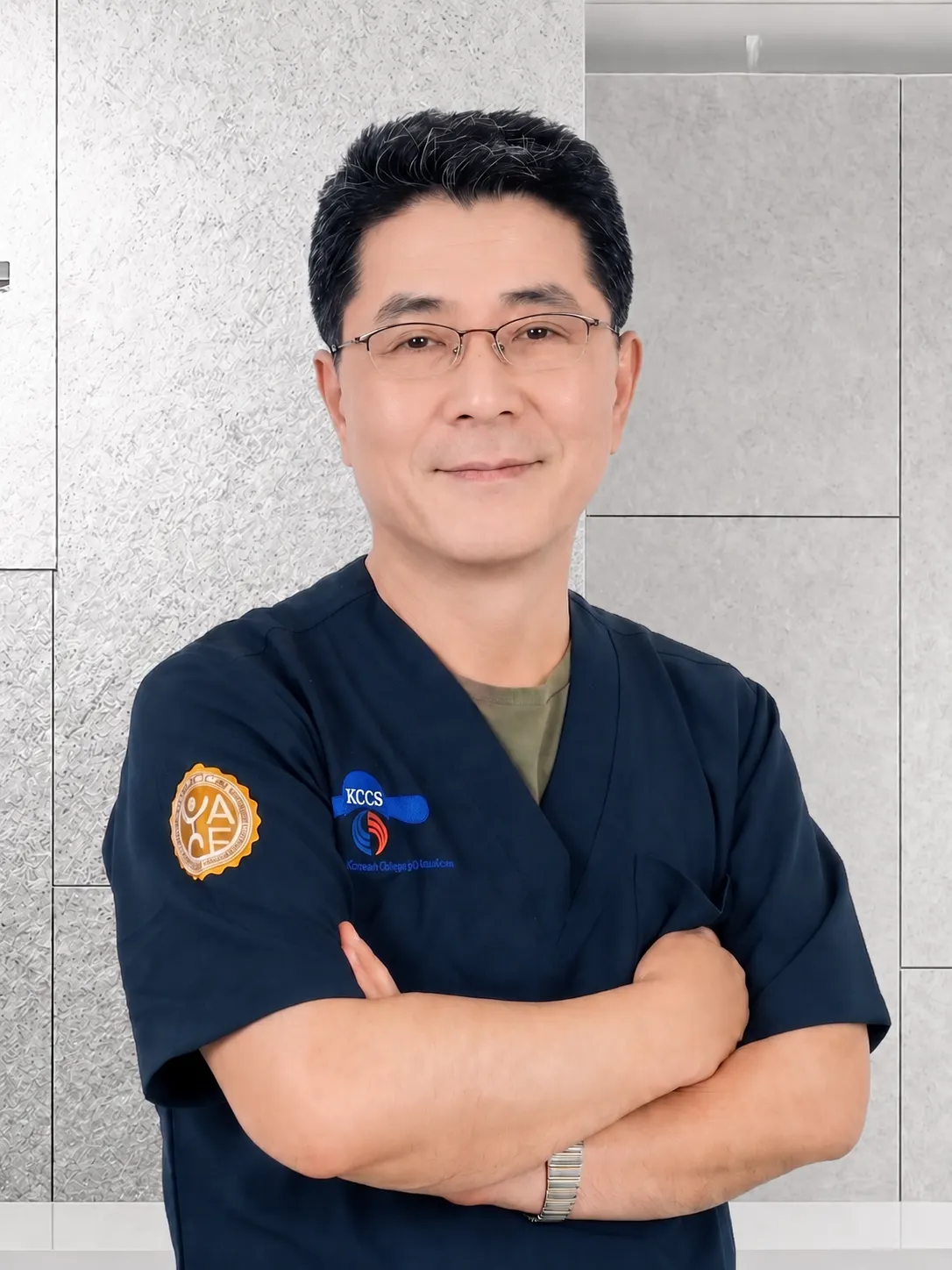
Hello, I'm Dr. Bae Seung-joo, Director at Pascal Clinic and a plastic surgery specialist (MD, PhD).
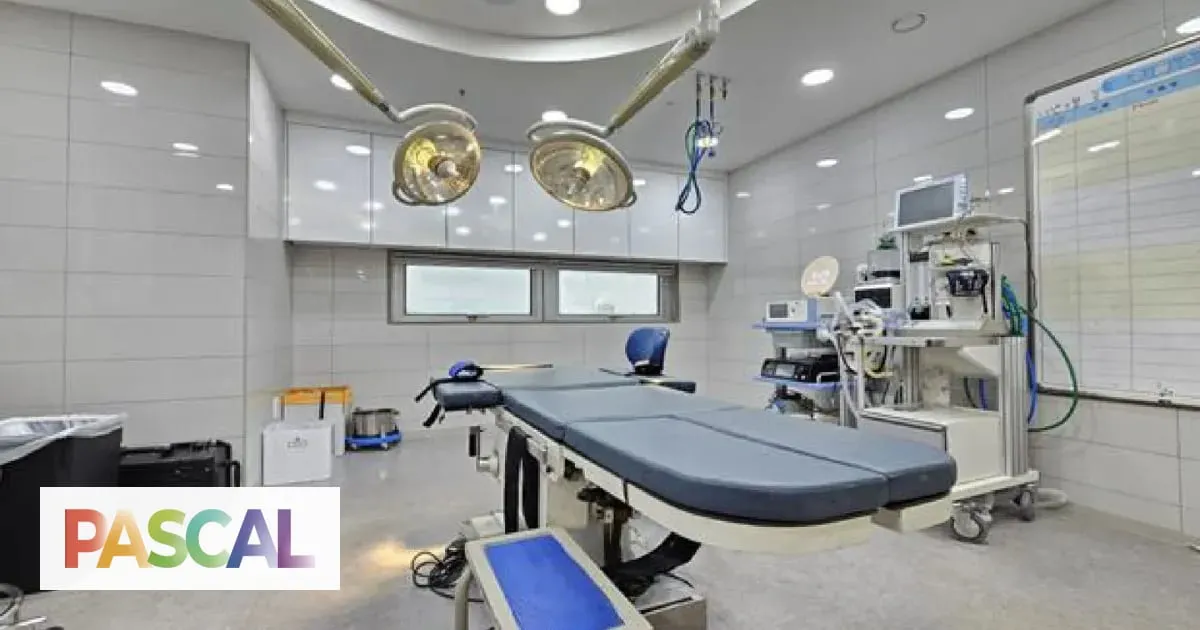
Rhinoplasty and revision rhinoplasty are among the operations I focus on, and I trained in reconstructive plastic surgery at MD Anderson Cancer Center in Houston. The operating rooms and recovery rooms are in the same building as the consultation rooms, on floors 6–8 near Sinsa Station Exit 8. A medical interpreter for your language is provided at no extra charge.
The consultation is free. If you already have a window in mind, send a front photo, a side photo and the dates you could be in Seoul on WhatsApp, and ask how many of those days your nose would need.
Send your nose photos and travel dates on WhatsApp
Get a free consultation in 1 minuteWhat fills those hours on the operating table
The hour count mostly tells you how much work the plan involves. Rhinoplasty for a low nasal bridge raises the bridge and the tip using an implant or your own tissue. Placing a shaped implant along the bridge is one kind of job. Rebuilding the tip with cartilage that first has to be taken from elsewhere in your body adds time to every step.
Anesthesia time comes on top of that. After the operation you spend time in a recovery room while the anesthesia wears off.
Before height, the questions that matter to me are how much support the tip has and how thick the skin over it is. A tall bridge sitting on a tip that can't carry it looks wrong within months. What I aim for is a nose that still looks like your own face, and the minutes on the table come from what that structure needs.
How long is the surgery day, start to finish?
Plan the whole day, not the hours on the table. Pre-operative checks, anesthesia, the operation and the recovery room add up, and you'll be groggy afterwards, so arrange for someone to take you back to where you are staying.
The clinic is open Monday to Friday 10:00–19:00 and Saturday 10:00–17:00, and closed on Sundays and public holidays. Ask at booking what time to arrive, and keep that evening empty.
Two small things make the first night easier. Wear a top that buttons or zips at the front, so nothing gets pulled over your nose. Bring a travel neck pillow, because you'll sleep with your head raised for the first several nights and a hotel bed rarely has enough pillows.
Rhinoplasty recovery, day by day
Pain after a nose job is usually described as pressure and a blocked nose more than sharp pain. It tends to be worst in the first two or three days and is generally handled with oral pain medication. Here is how the first week and the months after usually unfold.
| When | What you'll likely notice | What it means for your trip |
|---|---|---|
| Surgery day | Splint or tape on the nose, blocked feeling, a dull ache as anesthesia fades | Rest, no plans |
| Days 1–3 | Swelling and bruising around the eyes build up; you breathe through your mouth | Stay close to your accommodation, head raised at night |
| Days 4–6 | Bruising fades toward yellow; the ache eases to tenderness | Short walks; daily life usually resumes within 5–7 days |
| Days 5–7 | Stitches come out; the splint or dressing usually comes off around this point | The visit your flight depends on |
| Weeks 2–3 | Most of the visible swelling goes down | Back to work for many people |
| Months, up to a year | The tip slowly refines; mornings look puffier | Judge the final shape late |
Risks and side effects to know
The later rows come from the American Society of Plastic Surgeons' rhinoplasty recovery guidance: initial swelling subsides within a few weeks, the nasal contour can take up to a year to refine, and swelling may come and go and look worse in the morning during that first year. That last point matters when you look in a hotel mirror on day 8 and worry. The tip is always the last part to settle.
How many days should you plan in Seoul?
For a first rhinoplasty, plan around the stitch visit 5–7 days after surgery. For a revision, plan on 7 days. Your surgeon confirms the plan at an in-person exam first, so count that consultation as a day of its own.
Say you're 46, flying in from Vancouver, and the silicone implant from your twenties has started to tilt. That's a revision, so you count 7 days from surgery to the stitch visit. If surgery falls on a Tuesday, day 7 is the following Tuesday, a clinic day. If your count lands on a Sunday or a Korean public holiday, the clinic is closed, the visit shifts, and your flight has to shift with it. That's why I'd book a changeable return ticket, or book the return once the stitch date is fixed.
People often ask about adding eyelids to the same trip, for example buried-suture double eyelid surgery in Seoul. Whether it fits your face and how it changes the count of days is a question to raise at the same consultation.
Doctor's note
If you ask me where to put your spare day, put it after the stitch visit, not before surgery. An extra day at the end costs you one hotel night. A flight booked too tight costs you the visit that closes the trip safely, and the splint is better off coming off in Seoul than in an airport bathroom.
Once you have a rough window, send those dates on WhatsApp with one side photo taken in daylight, and ask which day of the window surgery would need to fall on.
Send your nose photos and travel dates on WhatsApp
Get a free consultation in 1 minuteRevision rhinoplasty: how long is surgery when there's an old implant?
Longer, as a rule, and the reason is the tissue the first operation left behind. Revision rhinoplasty corrects problems after a previous nose surgery, such as asymmetry, inflammation, implant movement or a line you dislike. Scar tissue around the old implant has to be released before anything new goes in, and if the implant comes out, the bridge may need support from your own cartilage. Each of those steps adds time on the table.
Timing matters too. The ASPS guidance above puts full refinement at up to a year, which is why many surgeons prefer to wait until a recent first surgery has settled before operating again. An implant that is inflamed or pushing against the skin is a different situation and should be seen sooner.
Bleeding, infection, breathing: what can go wrong after you fly home
The common reactions in the first weeks are swelling, bruising, a blocked nose, a numb tip and mild nosebleeds that stop with gentle pressure. Most fade over days to weeks, while some tip numbness and morning puffiness can linger for months.
Surgery carries risks such as bleeding, infection and inflammation, and your surgeon explains them before you decide. The American Society of Plastic Surgeons' rhinoplasty safety page also lists difficulty breathing through the nose, numbness and the possible need for further surgery among the risks. Individual results vary.
It's generally wiser to wait if you have:
- an active sinus infection, or an infection or inflamed skin on the nose
- a first nose surgery that hasn't settled yet
- a pregnancy, or you're breastfeeding
- blood-thinning medication or supplements you haven't reviewed with your doctor
- blood pressure that isn't under control
Once you're home, heavy bleeding that won't stop, a fever, or swelling that turns red, hot and one-sided needs a local doctor or emergency department the same day. Carry a record of what was done, including any implant and which tissue was used, so that doctor isn't guessing. Before you leave Seoul, ask who you message if the nose changes after you're back and which records you'll take with you.
Your first message
The consultation is free, and a coordinator passes your photos to your surgeon and replies with options. Send a front photo and a side photo, the dates you could be in Seoul and, if this is a revision, what was done the first time. Ask how many days your nose would need, and how deposit and payment work once a plan is agreed. At the exam, the first thing I'll want to understand is how much support your tip has and, for a revision, how the skin over the old implant moves.
Frequently asked questions
Will I be asleep for the whole operation?
Rhinoplasty can be done under sedation, general anesthesia or local anesthesia with numbing injections.
Can I wear glasses after rhinoplasty?
Many surgeons ask you to keep the weight of glasses off the bridge for several weeks while it settles. Pack contact lenses if you can wear them, or plan to tape lightweight frames to your forehead.
Do I need someone with me in Seoul?
It helps to have a companion on surgery day and the first night, because you'll be groggy and your view is partly blocked by swelling and the splint. For the appointments themselves, a medical interpreter for your language is provided at no extra charge.
Can I exercise during my week in Seoul?
Walking is usually fine from the first days. Running, heavy lifting, bending with your head down and anything that risks a bump to the nose are generally put off for several weeks, so leave the gym kit at home.
When will my nose look settled in photos?
Most visible swelling goes down within a few weeks, but the tip can take up to a year to refine and often looks puffier in the morning. Photos taken in the first months tend to show a fuller tip than you'll end up with.
This article is general information, not medical advice. Individual results vary, and surgery carries risks such as bleeding, infection and inflammation. Your surgeon confirms suitability at an in-person exam. Read the medical disclaimer.
Scar reconstruction · Facelift · Rhinoplasty · Eyelid surgery · Skin