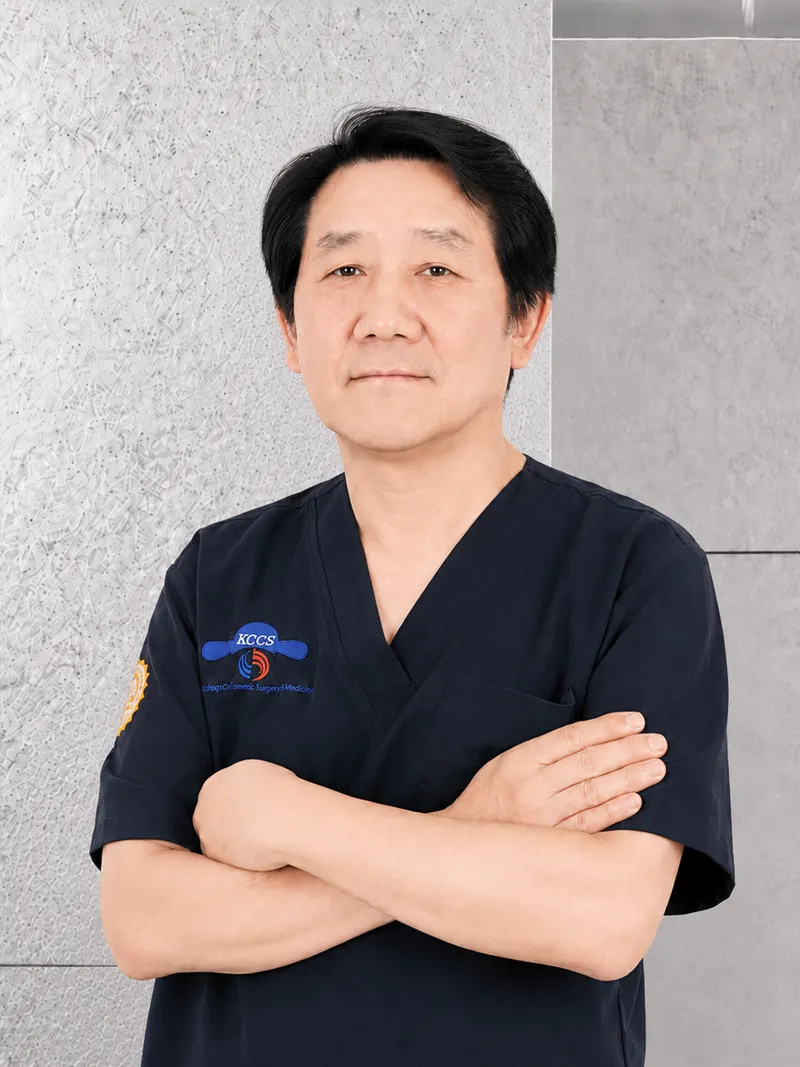

A scar is not one thing. A raised scar, a sunken scar and a wide line each need a different approach. This guide to scar revision surgery Seoul patients can use explains how Pascal Clinic in Gangnam starts with the scar in front of it, then chooses the method. Dr. Bae Seung-joo, a plastic surgeon trained in reconstructive surgery, leads this work.
What decides the treatment
Pascal looks at four things before choosing a method:
- Form. Is the scar sunken, raised or wide? What is the surface texture?
- Position. Where does the scar sit, and how does the skin move there?
- Tension. How much does the surrounding skin pull on it?
- Your goal. Less visible, smoother, or a different shape.
From there, the options for scar removal include excision and re-suturing, Z-plasty and W-plasty, filler or botulinum toxin, and peels or lasers. A facial scar that has both depth and height differences can use a combination of surgical and non-surgical steps. PRF and hyperbaric oxygen are added only when your surgeon decides they fit.
Methods by scar type
Wide or raised scars. The surgeon cuts out the scar tissue and closes the skin again, planning the line along the skin's natural tension. This is the excision and re-suturing method.
Rough surface or uneven colour. When the surface is rough or the colour differs from nearby skin, a peel or a laser-type treatment may be considered, depending on the scar.
Scars with depth and height differences. These are not treated with one method alone. Pascal combines surgery and non-surgical treatment when needed.
The aim is not to erase the scar. It is to reduce the difference from surrounding skin so the scar stands out less.
The surgical steps
Pascal describes its scar surgery as five steps: one-to-one diagnosis, design, scar excision, fine suturing and aftercare. The surgery is done under local anesthesia. Time varies from 30 minutes to 2 hours, depending on the scar type.
Send a clear photo of your scar and where it is. Get a first opinion before you plan a trip.
Get a free consultation in 1 minuteRecovery support
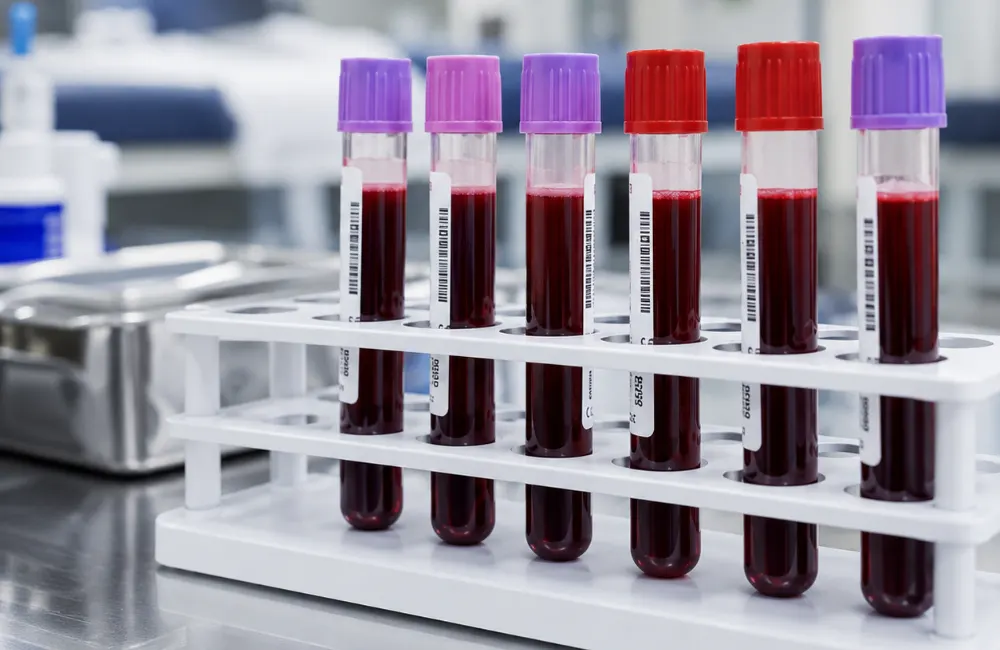
For some patients, Pascal adds PRF (platelet-rich fibrin) and hyperbaric oxygen as supportive care. PRF is prepared from your own blood by centrifuge. Hyperbaric oxygen supplies oxygen at raised pressure to support recovery of the treated tissue.
Whether and when these are used is decided after assessment. They are not applied to every patient.
Aftercare
- Keep the area clean as instructed, and avoid strong irritation.
- Do not pick scabs or flakes. Let them recover naturally.
- Protect exposed areas from the sun to lower the chance of pigmentation.
- After surgery, avoid pulling or pressure on the sutured area.
- If anything looks unusual, contact the clinic instead of treating it yourself.
What Pascal checks first
Pascal's material lists the situations where people ask about scar removal:
- A scar from an accident or surgery is noticeable, and you want it improved.
- The scar is sunken or widened, and the height difference bothers you.
- The shape or texture still bothers you after previous treatment.
- A facial scar on an exposed area needs a fresh assessment.
- You need advice on surgery versus non-surgical treatment.
Scars form through a sequence: a wound, inflammation, recovery, then too much or too little collagen. That is why two scars that look alike can behave differently, and why a scar-by-scar plan matters.
Planning scar revision surgery Seoul style, around a trip
Most people travel for the first exam. Send a photo, tell the coordinator where the scar is and how it happened, and ask what an exam will cover. Your surgeon then confirms the method, explains the aftercare and gives a final quote in person. Ask how long you should stay in Seoul for check-ups and stitch removal, because that depends on the method and the area.
A real case
Dr. Bae's case photos show the time since surgery on each card. This left-cheek case is shown five months after surgery.
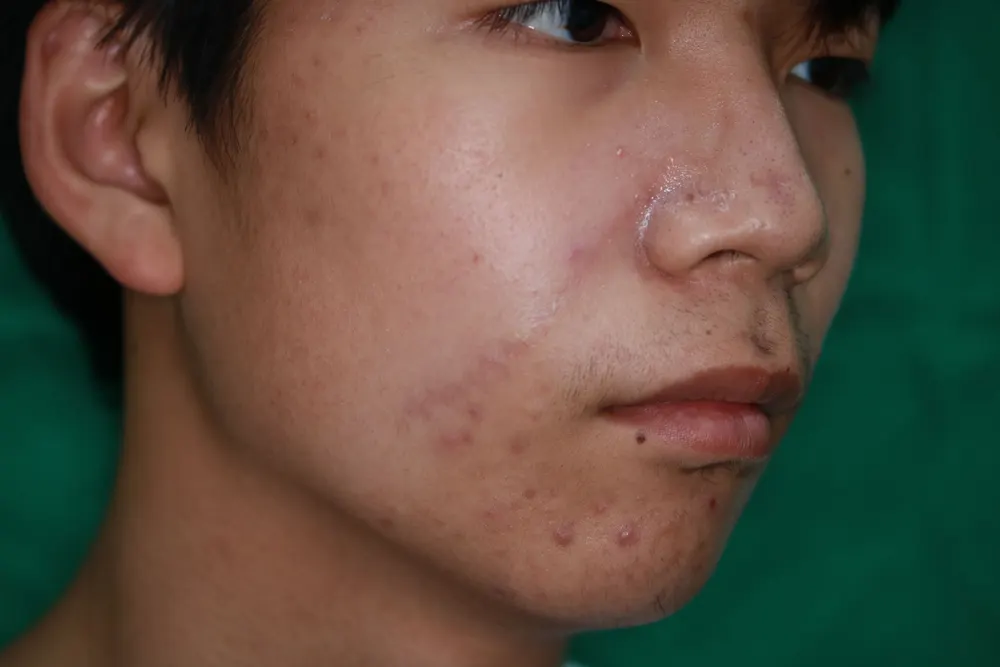
See all scar revision cases with the procedure and time since surgery.
Questions people ask first
Can an old scar be treated? Age alone does not decide it. The current shape, depth, location and nearby skin are assessed first.
Is the scar gone after one treatment? The number of treatments depends on the scar and method. Expect a smaller difference from surrounding skin, not a blank canvas.
Surgery or laser? It depends on width, depth, direction and skin tension. Some scars need surgery. Others suit non-surgical treatment.
Next step
Read the scar revision treatment page for the full FAQ. If skin quality after surgery is also a concern, compare activated cell therapy. Then message the coordinator with a photo of your scar, its location and how it happened.
Get a free consultation in 1 minute and find out which method fits your scar type.
Get a free consultation in 1 minuteIndividual results vary. Surgery carries risks such as bleeding, infection and inflammation, and only an in-person exam confirms the right plan.
Frequently asked questions
Can an old scar be treated?
Yes. Age alone does not decide it. The current shape, depth, location and surrounding skin are assessed first.
Will one treatment remove my scar?
The goal is to reduce the difference from nearby skin so the scar stands out less, not to erase it. The number of treatments depends on the scar and the method.
Is scar revision surgery painful?
Pascal's material says the surgery is done under local anesthesia, and pain varies by person but is not severe.
What aftercare do I need?
Keep the area clean as instructed, do not pick scabs, protect the scar from the sun and avoid pulling on sutured skin.
This article is general information, not medical advice. Individual results vary, and surgery carries risks such as bleeding, infection and inflammation. Your surgeon confirms suitability at an in-person exam. Read the medical disclaimer.
Scar reconstruction · Facelift · Rhinoplasty · Eyelid surgery · Skin