Thinking about a Korea nose tip plasty, but afraid the tip will slowly sink again once you've flown home?
Give this ten minutes before you pick your dates.
You'll know which methods hold a tip in position, what reviews get right and wrong, what decides the cost and what can go wrong after you leave. Then you can judge whether a tip-only plan suits your nose and your budget.
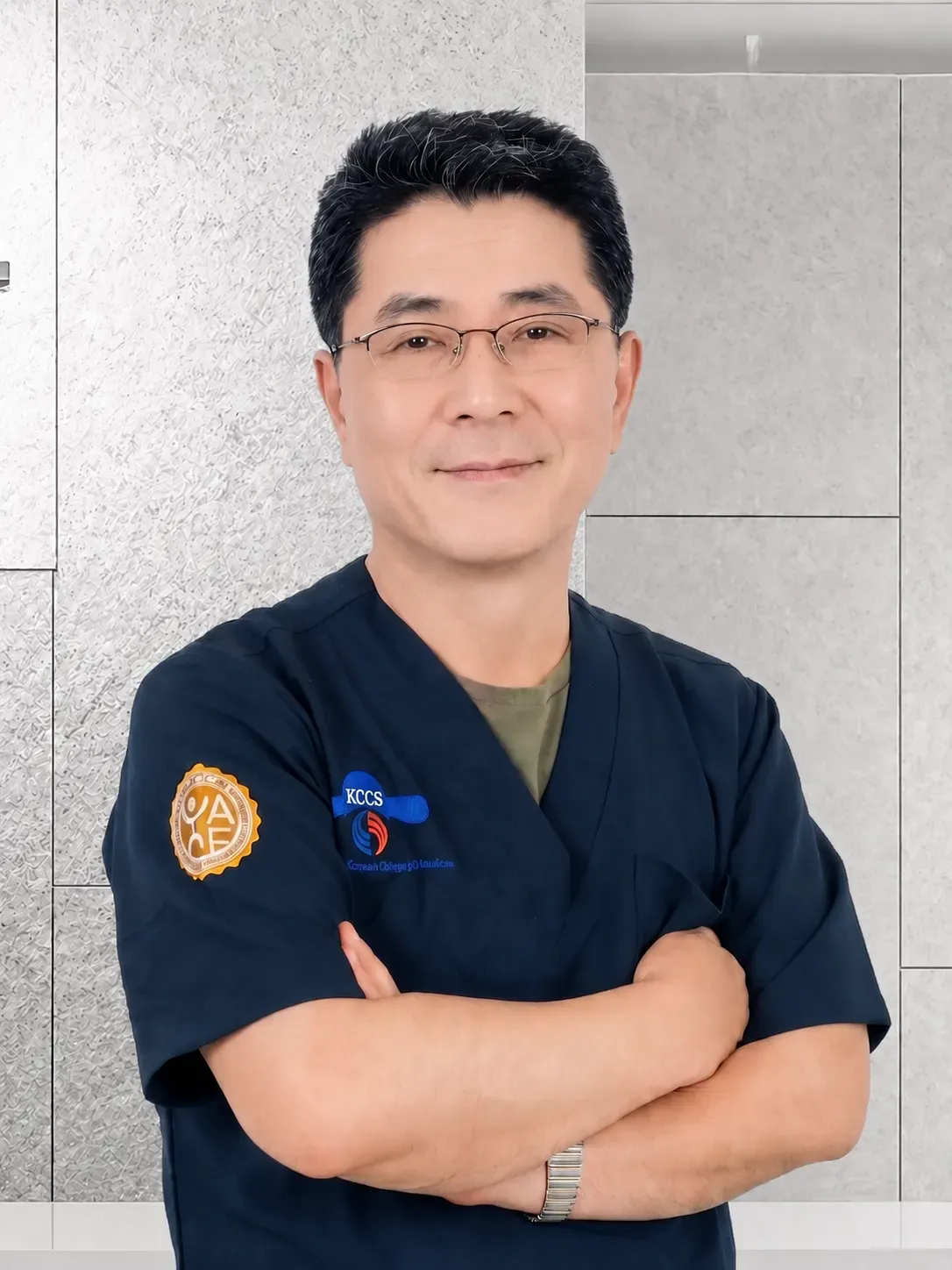
Hello, I'm Dr. Bae Seung-joo, a Director at Pascal Clinic in Seoul and a plastic surgery specialist with an MD and PhD.
Rhinoplasty at Pascal runs from bridge height to tip and nostril shape, using an implant or your own tissue, and we also treat revision noses. I trained in reconstructive plastic surgery at MD Anderson Cancer Center in Houston.
I'm writing this because many people picture tip surgery as a small adjustment, then hear about support only after the tip has changed.
A tip plasty reshapes and supports the cartilage at the end of your nose. It's structural surgery, and whether the tip holds comes down to support, skin thickness and healing, so the support plan is the first thing to ask about.
If a droop is what bothers you, send one side photo with your face relaxed and one while smiling on WhatsApp, and ask what would hold your tip in position.
Send your side photos on WhatsApp
Get a free consultation in 1 minuteIs a tip plasty really a small adjustment?
The incisions can be small, but the job isn't. A Korea nose tip plasty changes a structure that carries load, and your nose has to breathe through it for the rest of your life.
Risks and side effects to know
Think of the tip as a small tent. Two thin curved cartilages form the roof, and the septum and ligaments act as the poles and ropes. Trim the roof or stitch it tighter, and the shape changes at once. Over the months that follow, skin and scar tissue press on whatever you've built.
That's why age changes my thinking. In midlife, the supports have often softened and the tip may already sit lower, especially when you smile. Lifting it can mean rebuilding support as well as reshaping it. A review of Asian rhinoplasty describes thicker skin and smaller tip cartilages as common challenges, though every nose has to be assessed on its own.
Why a tip can drop after surgery
A drop usually traces back to one of four things:
- Cartilage that's too soft for the shape asked of it
- Thick skin pressing down as swelling leaves and scar tissue matures
- Too much height or rotation for the available tissue
- The ordinary loosening of support that continues with age
A small settling is common as swelling fades, and that isn't a failure. A progressive drop, or a tip that looks pinched or tilted, deserves an exam. Stitch-based changes can work well on firm cartilage, but on soft cartilage under heavy skin they have little to push against. That single fact explains why two people can have the same procedure name on their records and very different results a year later.
Which methods hold the tip in position?
Most surgeons combine these methods, choosing from what they find in the nose. The first decision is how much support you need, and the source of cartilage follows from that.
| Method | What it does | Main trade-off |
|---|---|---|
| Tip sutures | Reshape existing cartilage | Limited support on soft cartilage |
| Columellar strut | Adds a brace between the cartilages | Moderate lift, may need more support |
| Septal extension graft | Fixes the tip to the septum | Firmer tip, can affect breathing |
| Ear or rib cartilage | Supplies graft material when needed | Second site, more recovery |
The septal extension graft gives more control of projection and rotation, and in exchange the tip can feel stiffer. In midlife, your own septum may also offer less usable cartilage, particularly after earlier nose surgery.
Say you have thick skin, a tip that drops when you smile, a fairly low bridge, and you fly home after about a week and a half. I'd question the wish for a sharp, high tip, because that skin won't show fine detail and heavy lifting adds strain. I'd look at whether a little bridge height would make a modest lift read better, and I'd want a firm support plan rather than sutures alone. You can read how this fits on our page for rhinoplasty for a low nasal bridge.
Doctor's note
With a tip that sinks when you smile, I look at support before shape. In someone in their fifties, I'd rather lift a little and keep it steady than chase a tip the skin can't hold. My aim is a result that looks like your own face, including in photos with your family a few years from now.
What do reviews of nose tip plasty in Korea get right and wrong?
Threads about nose tip plasty Korea trips tend to repeat three claims. The first is that the tip looks too high at first and then settles. That's generally true, because swelling hides the shape.
The second is that a stiff tip means something went wrong. Not necessarily: firmness is common early on and with stronger grafts, though it may ease only partly. The third is that the result you see after a month is final. It isn't. The American Society of Plastic Surgeons says initial swelling subsides within a few weeks, while the contour can take up to a year to fully refine.
When the tip isn't the real problem
A tip can look droopy because the bridge is low, the upper lip is long or the jaw sits back. Lifting only the tip may then look out of place. If your bite or profile comes from jaw position, reading about what revision jaw surgery involves can show why surgeons assess the whole lower face. If facial width is the larger concern, cheekbone reduction surgery for travelers is a separate decision with a different recovery.
What can go wrong, including after you fly home?
Swelling, bruising around the eyes, a stuffy nose and numb skin at the tip are common at first and fade over weeks to months. The ASPS lists risks that include bleeding, infection, anesthesia problems, poor wound healing, breathing difficulty and a need for revision. Cartilage grafts can also shift or show through thin skin. Individual results vary.
Generally, surgery should be postponed for pregnancy, active infection or poorly controlled illness. Smoking, blood thinners and earlier nose surgery need to be raised at the first conversation. If you've had a nose implant infection, your surgeon needs those records too.
Once you're home, fever, spreading redness, discharge, sudden pain or heavy bleeding need a doctor promptly. Ask for your operation notes and medication list before leaving, and find an ENT or plastic surgeon at home ahead of time, as the CDC's medical tourism guidance advises. A small columella scar from an open approach usually fades, and if yours doesn't, the scar revision options make it flatter, narrower or less visible without erasing it.
If you've had nose surgery before, send your photos and the details of that operation on WhatsApp, and ask whether a revision is likely to help.
Send your side photos on WhatsApp
Get a free consultation in 1 minuteWhat decides the cost of your tip plasty?
The largest factor is extent: tip alone, or tip with bridge work. After that come the graft source, whether this is a first surgery or a revision, the anesthesia, and how many days you stay in Seoul for follow-up.
That's why Pascal quotes rhinoplasty after an exam rather than listing one fixed line. For a Korea nose tip plasty, message us on WhatsApp with photos and ask for a range for your case.
Planning your days in Seoul
A splint or tape over the nose for about the first week is a common general pattern, and bruising usually needs time to fade before you'd feel ready for a crowded airport. Ask at booking when your stitches come out and when your surgeon would be comfortable with you flying, then choose your return date. We're near Sinsa Station Exit 8 and open Monday to Saturday, closed on Sundays and holidays, so keep that in mind when counting your days.
On WhatsApp, front and side photos go to the doctor's team, who reply with a first opinion, so add the one question you most want answered about your Korea nose tip plasty. When you come in, your surgeon examines your nose and recommends the plan that suits it.
Frequently asked questions
Can filler lift my nose tip instead of surgery?
Filler can change contour for a limited time, but it adds weight and doesn't rebuild support. The nose also carries a recognized vessel risk with filler, so the area calls for particular caution.
Will a tip plasty leave a visible scar?
A closed approach places incisions inside the nose. An open approach adds a small cut across the columella, which usually fades but can remain faintly visible. Ask which approach is planned for you and why.
What if my tip drops after an earlier surgery elsewhere?
Pascal treats revision cases for noses. Send your photos and the details of your previous surgery, and the team will tell you whether a revision is likely to help.
Do I need bridge surgery along with the tip?
Not always. A tip change alone can suit a nose with adequate height, while a low bridge may make a lifted tip look separate from the rest of the nose. Profile photos help frame this question.
Will a tip plasty affect my breathing?
It can, particularly when grafts narrow the nostril or when the septum is altered. Temporary stuffiness is common, and lasting obstruction is a recognized risk, so raise any existing breathing trouble before surgery.
This article is general information, not medical advice. Individual results vary, and surgery carries risks such as bleeding, infection and inflammation. Your surgeon confirms suitability at an in-person exam. Read the medical disclaimer.
Scar reconstruction · Facelift · Rhinoplasty · Eyelid surgery · Skin