
Planning a Korea rhinoplasty revision but unsure how long your nose needs before you can fly home?
A Korea rhinoplasty revision runs on a longer timeline than a first nose surgery, so check the recovery plan before you book the return flight.
By the end you'll know what decides the cost, what review threads get right and wrong, which methods suit which problem, and how the first weeks of healing set your trip length. Each of these helps you pick a plan that fits your nose and your leave.
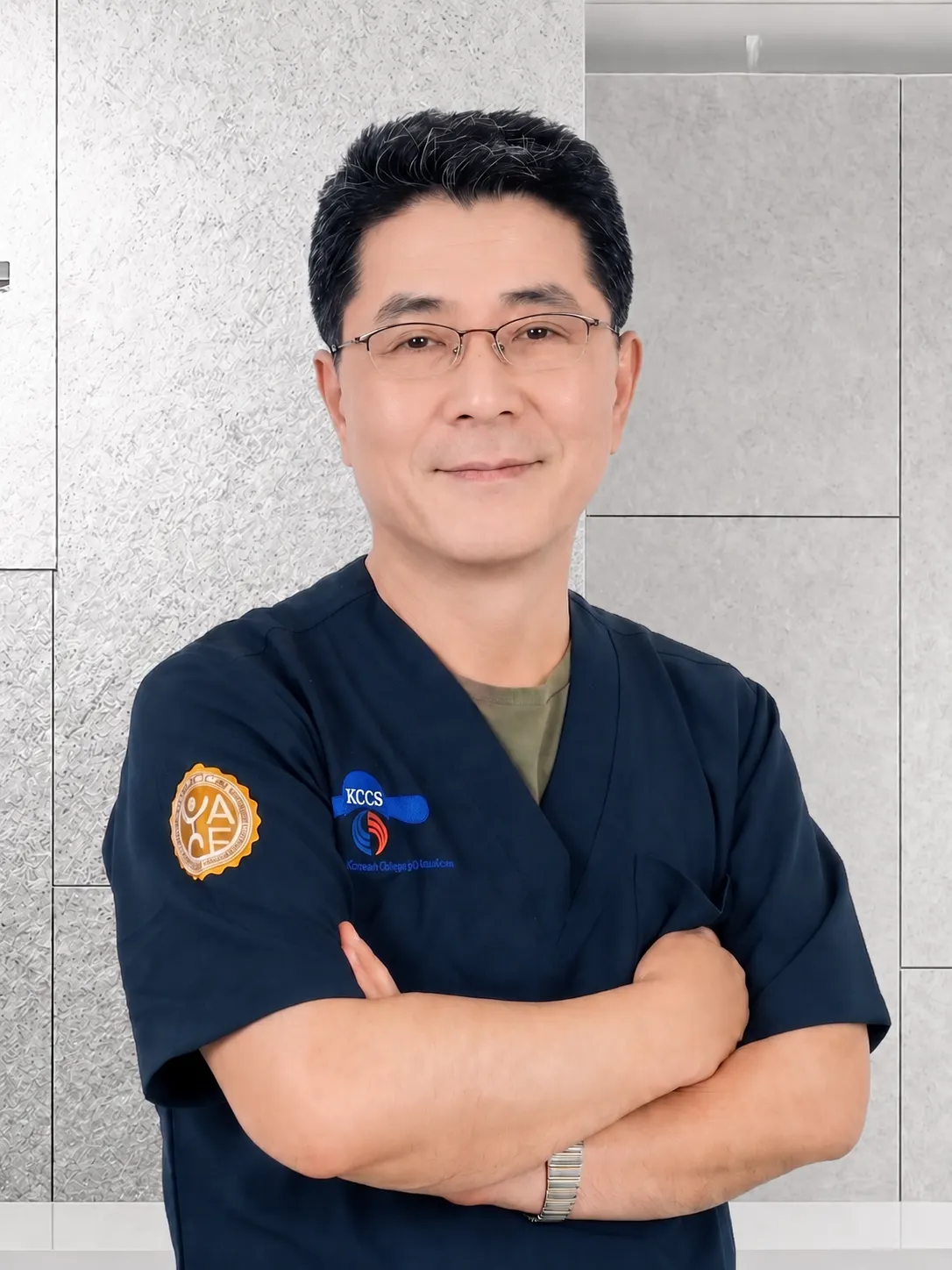
Hello, I'm Dr. Bae Seung-joo, Director at Pascal Clinic in Seoul.
I'm a plastic surgery specialist with an MD and a PhD, and I trained in reconstructive plastic surgery at MD Anderson Cancer Center in Houston. Revision rhinoplasty is part of my work here. Pascal treats revision cases for noses, eyelids and scars, and the clinic publishes its price list, though nose surgery is quoted after an exam.
I wrote this because many people plan a second nose surgery on a first-surgery timeline, and scarred tissue rarely heals on that schedule.
Plan a longer stay than you would for a first rhinoplasty. The splint and most bruising usually settle within the first two weeks, but swelling after a revision often takes many months to fade, so your trip covers the early checks and the final shape arrives at home.
If you want a sense of where your nose stands before you look at flights, send clear front and side photos on WhatsApp with a line on when your first surgery was. Add the one question that matters most to you, such as whether your current implant can stay.
Send your nose photos and first-surgery details on WhatsApp
Get a free consultation in 1 minuteWhy a second nose surgery heals differently
Most people who look into Korea rhinoplasty revision expect the recovery of their first operation. The tissue isn't the same anymore. After any nose surgery, the skin and the layer under it thicken with scar, the small blood vessels have been rerouted once already, and the septum may have given up cartilage the first time.
That changes three things. The surgeon has to work through scar to reach the framework, which takes longer and tends to cause more swelling. If support is missing, cartilage may have to come from the ear or a rib instead of the septum. And thickened skin shrinks back onto the new shape slowly, which is why the tip often looks puffy for a long time.
My training is reconstructive, so I think about a revision nose as a structure first: what is holding it up, what is missing, and how much the skin will tolerate. The shape you want has to sit on a framework that can carry it.
Timing matters too. Many surgeons prefer to wait until the first operation has settled, often around a year, before operating again. An infection, an implant pressing through the skin or a new breathing problem can justify acting sooner.
Which revision rhinoplasty methods fit which problem?
Revision rhinoplasty corrects problems left after a previous nose surgery: asymmetry, inflammation, implant movement, or a line you never liked. The problem decides the method, so it helps to name yours plainly.
- An implant that has shifted or looks inflamed. The implant usually comes out. If the tissue is calm, rebuilding can happen in the same operation, often with your own cartilage. If it is inflamed, a staged plan is common: remove now, rebuild months later.
- A tip that looks pinched, short or collapsed. This is usually a support problem. Cartilage grafts rebuild the structure under the tip so it can hold its shape as swelling goes down.
- A crooked or uneven bridge. Realigning the bony and cartilage parts, or replacing an implant that sits off-center, are the usual approaches.
- Breathing that got worse after the first surgery. This needs its own assessment of the septum and the inner valve, because a nose can look fine and still not work well.
For a first nose job, Pascal's low-bridge rhinoplasty uses an implant or your own tissue. In a revision the same choice comes back, but with less tissue to spare. The American Society of Plastic Surgeons lists the need for another operation among the known risks of rhinoplasty, and that is the reason revision planning starts from what went wrong the first time.

How long should you stay in Seoul after revision rhinoplasty?
In short, this is the question that shapes the whole trip, so here is how the healing usually runs, stage by stage.
The first week
Swelling and bruising build over the first few days, and your nose feels blocked. You sleep with your head raised, avoid blowing your nose and keep the splint dry. According to the American Society of Plastic Surgeons, splints and bandages typically come off in about a week. This week is the part of the trip you can't shorten.
Weeks two to four
Bruising fades for most people, and many feel comfortable in public again, though the nose still looks full and the tip may feel numb. Hard exercise, heavy lifting and glasses resting on the bridge are usually put off for a while longer. This is often when people fly home.
Months later, at home
The outline sharpens slowly. After a revision, the tip can stay swollen for a year or more, especially with thick skin or added grafts. Judge your result at home over months, not in the mirror on the day the splint comes off.
A worked example
Say your first surgery used a silicone implant that has drifted to one side, and you have ten days of leave. If the skin over it is calm, a single operation can work: exam, surgery soon after, splint removal near the end of the first week, then a check before you fly. That leaves almost no buffer. If the skin is red or thin over the implant, I would not rebuild in the same sitting, which means a second trip months later. Either way, I'd rather you had closer to two weeks than ten days.
Plan around the clinic's hours as well: Monday to Friday 10:00–19:00, Saturday 10:00–17:00, closed on Sundays and public holidays. A splint check can't fall on a Sunday, so count that when you pick your surgery day. The US CDC's medical tourism guidance also suggests arranging follow-up care at home before you travel and carrying copies of your records.
If your dates are already fixed, send them on WhatsApp along with the name of the implant or graft used the first time, if you have it. Ask whether those dates leave room for a check after the splint comes off.
Send your nose photos and first-surgery details on WhatsApp
Get a free consultation in 1 minuteWhat decides the cost of a Korea rhinoplasty revision?
Pascal's published prices are in Korean won, before 10% VAT, and rhinoplasty is quoted after an exam because the price follows the extent of surgery. For a revision, the condition of the tissue after your earlier operation weighs in as well. In practice, these are the factors that move your figure:
- What has to be corrected. A single implant swap is a smaller operation than rebuilding tip support and straightening the bridge together.
- Implant removal and what replaces it. Removal alone, removal with your own tissue, or a new implant are different scopes.
- Where graft cartilage comes from. Septum, ear or rib each adds different work and recovery.
- Anesthesia and operating time. Scar tissue usually makes revision longer than a first operation.
- Days in Seoul and a possible second stage. A staged plan means two trips, which belongs in your budget.
To get the figure for your own case, ask on WhatsApp what your revision would cost. The site's FAQ says you can message photos to get a range, and the final quote follows the exam. You can also read how the price list is set out before you write.
What do reviews of Korean revision rhinoplasty get right and wrong?
Threads about Korea rhinoplasty revision repeat a few claims. Here is how they hold up against what we know medically, in general and not about any clinic's patients.
"Revision is harder than the first surgery." Largely true. Scar tissue, less available cartilage and altered blood supply make the operation and the healing more demanding.
"You'll see your final nose after a month." Not for most revisions. A month is often when bruising is gone, while tip swelling can take far longer to settle.
"Every silicone implant has to come out." Not true. A stable implant with healthy skin over it may be left alone. Movement, inflammation, or thinning skin over the implant are the usual reasons to remove it.
"Rib cartilage leaves a big scar." Partly true. Taking rib cartilage does leave a scar on the chest, and its length varies from person to person. Whether you need rib at all depends on how much support your nose needs and what the septum still has.
Risks and side effects to weigh before a second operation
Before any Korea rhinoplasty revision, it helps to know what is common, who should wait, and what to do once you're home.
Common temporary reactions are swelling, bruising, a blocked nose and numbness at the tip. Bruising usually settles within a couple of weeks, the stuffiness over several weeks, while numbness and tip swelling can last months. Surgery carries risks such as bleeding, infection and inflammation, and your surgeon explains them before you decide. Revision adds its own: irregularities you can see or feel, thin skin over an implant, warping of a cartilage graft, pain where the graft was taken, and the chance that a further revision is needed. Individual results vary.
In general medicine, these are reasons to wait or rethink:
- less than about a year since your last nose surgery, unless there is infection or implant exposure
- active infection, inflammation or an open wound in or on the nose
- smoking, which slows healing of skin that has already been operated on
- pregnancy or breastfeeding
- a bleeding disorder or blood-thinning medication you can't safely pause
If you notice fever, spreading redness, rising pain, discharge, or an implant showing through the skin after you fly home, see a doctor where you live the same day and bring your operative records. Then send photos of what you see on WhatsApp so the clinic knows what is happening. Your surgeon confirms suitability at an in-person exam, and that includes judging whether your skin can take another operation.
Doctor's note
If the skin over your implant looks thin, shiny or red, I take that as a reason to remove the implant and let the tissue settle, even if it means a second trip. Rebuilding on inflamed tissue is a trade I would not make for a shorter itinerary. A nose that heals well over two trips is a better outcome than one that has to be revised a third time.
What to send before you book anything
The most useful thing you can gather now is information about your first surgery: the date, the operative note, the type of implant or graft, and photos from before it. If the first clinic can give you a copy, ask for it now, while it's easy. If scars from earlier surgery elsewhere on your face also bother you, the scar revision guide explains how those are assessed.
If you're weighing a Korea rhinoplasty revision, send your front and side photos on WhatsApp with the details of your previous surgery, and ask the one question you most need answered, such as whether your problem is the implant, the tip support or the skin. The site's FAQ says the team will tell you whether a revision is likely to help. When you come to Seoul, I examine your nose in person and recommend the plan that fits your tissue and your dates.
Frequently asked questions
Can Pascal correct a nose that was operated on before?
Yes. Pascal treats revision cases for noses, eyelids and scars. Send your photos and the details of your previous surgery, and the team will tell you whether a revision is likely to help. Your surgeon still confirms the plan at an in-person exam.
How long after my first rhinoplasty should I wait before a revision?
Many surgeons prefer to wait until swelling and scar tissue have settled, often around a year after the first operation. An infection, an implant pressing through the skin or a new breathing problem can justify acting sooner.
Which records from my first surgery are worth bringing?
Anything that tells the next surgeon what is already inside your nose: the operative note, the type of implant or graft used, the date of surgery and photos from before it.
Can I fly home with the splint still on?
Many surgeons prefer to remove the splint and check the nose before a long flight, since swelling and stuffiness are worst in the first days. Ask your surgeon when it is safe to fly in your case, and book the return after that check.
Can I start a consultation before I book flights?
Yes. Pascal's site offers a consultation you can start on WhatsApp before you book flights or commit to anything.
This article is general information, not medical advice. Individual results vary, and surgery carries risks such as bleeding, infection and inflammation. Your surgeon confirms suitability at an in-person exam. Read the medical disclaimer.
Scar reconstruction · Facelift · Rhinoplasty · Eyelid surgery · Skin