Korea rhinoplasty recovery: will your nose look settled by the time you board the flight home, or will you spend the last days of the trip behind a mask?
Read this before you pick a return date.
You'll know how the first two weeks usually run, what decides the cost, what review threads get right and wrong, and how the method changes your days in Seoul. With that, you can choose dates that fit your nose and your budget.
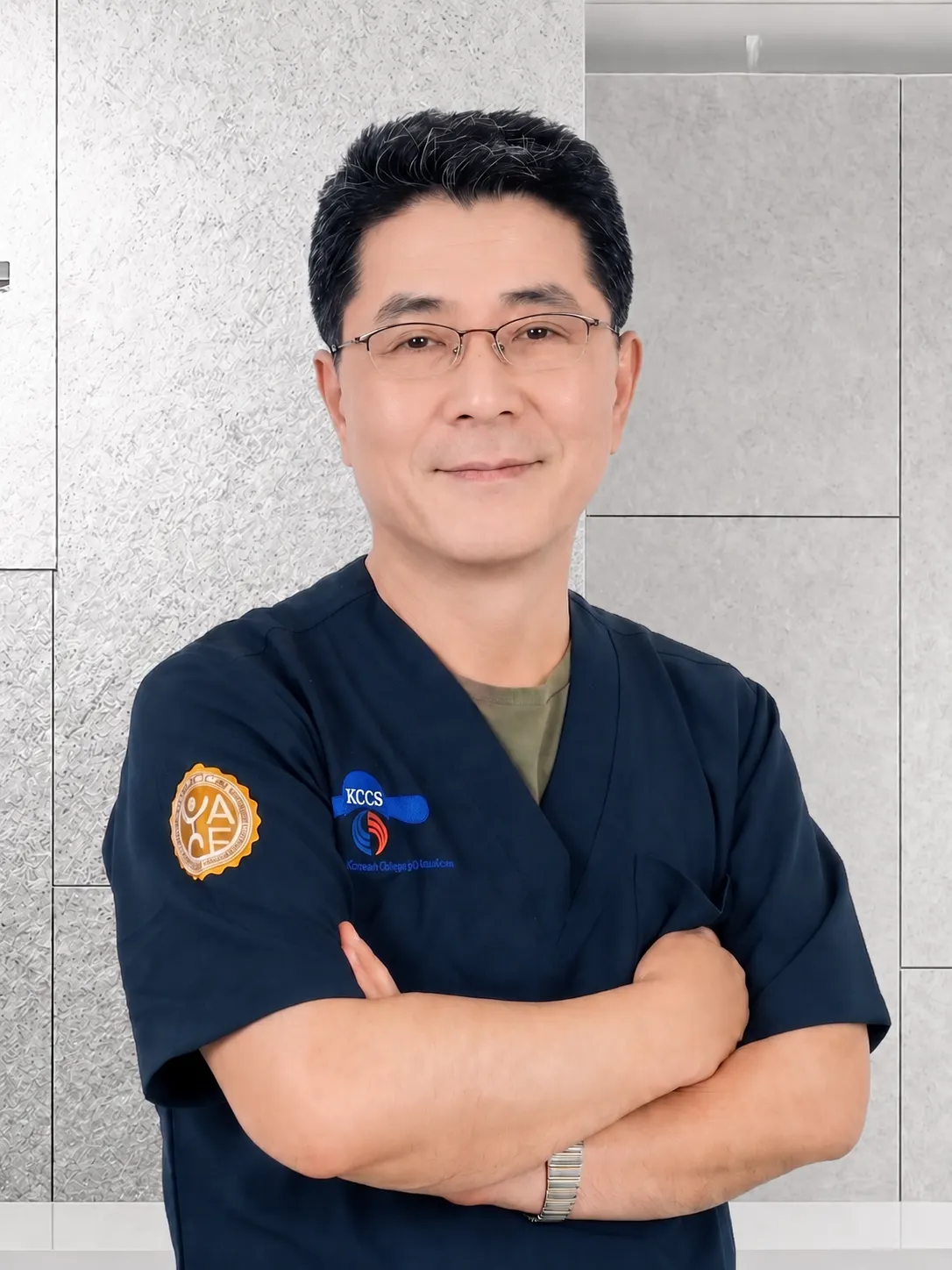
Hello, I'm Dr. Bae Seung-joo, a director at Pascal Clinic and a plastic surgery specialist with an MD and PhD. Rhinoplasty, including revision rhinoplasty, is one of my main areas.
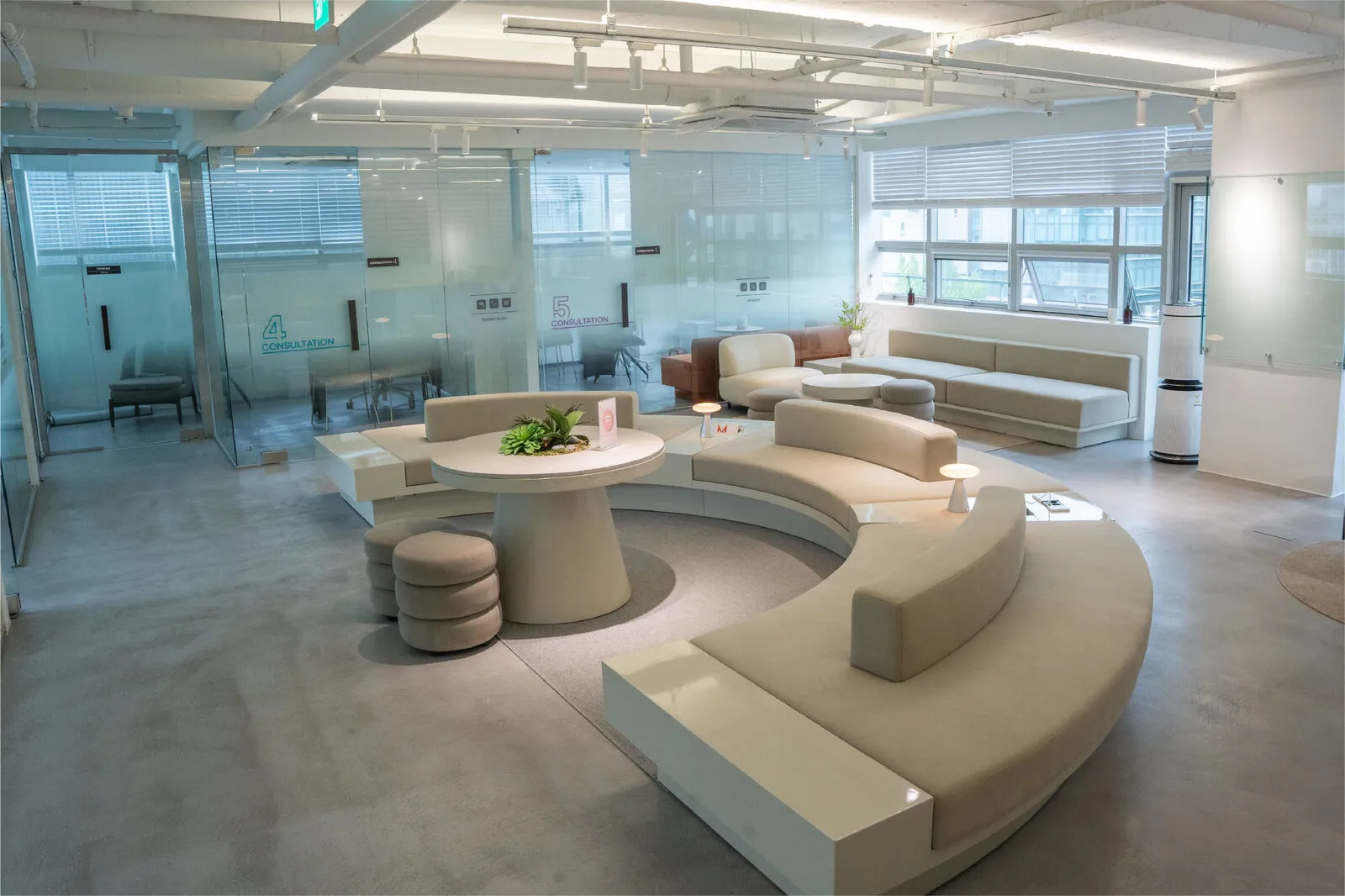
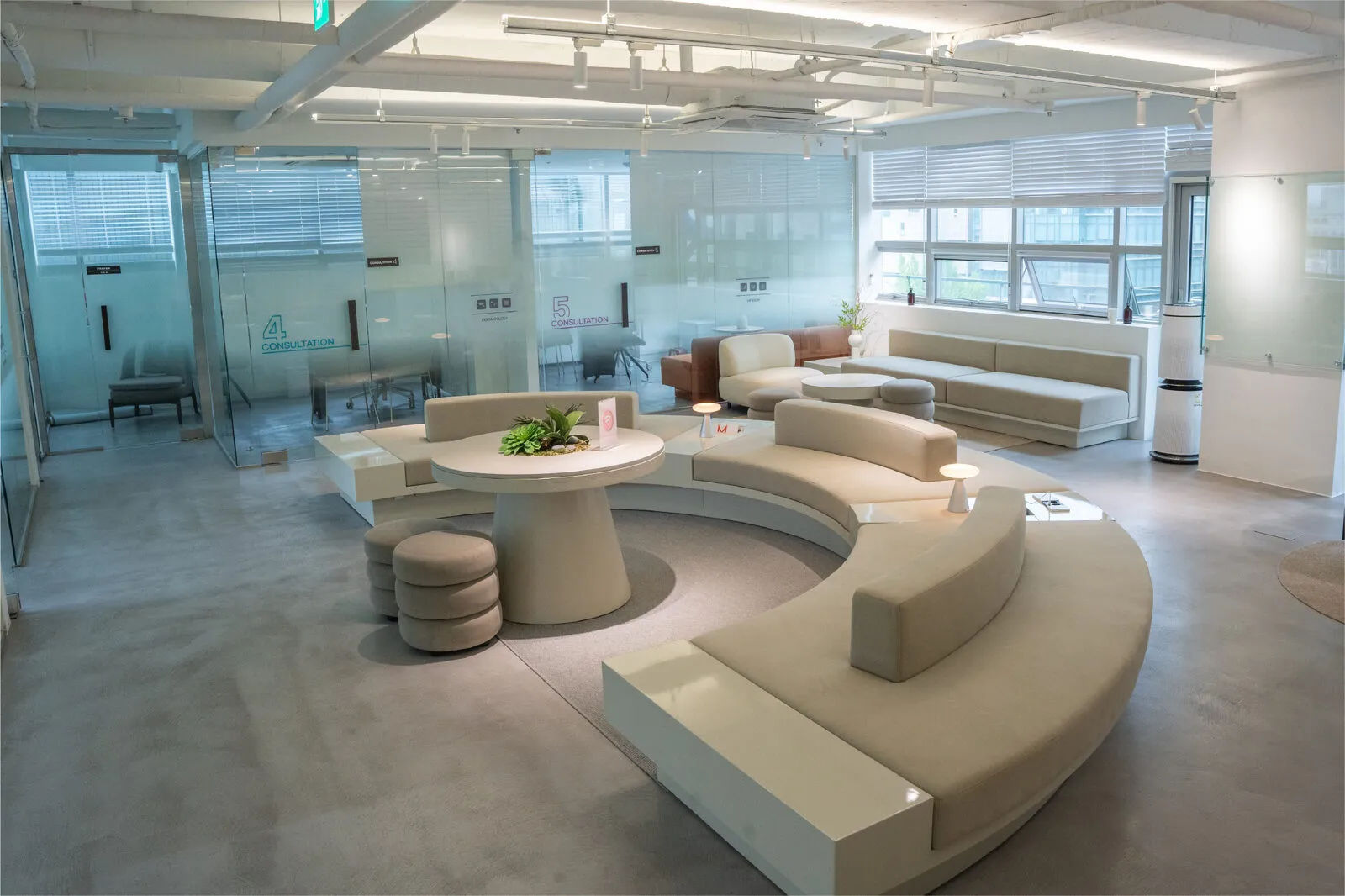
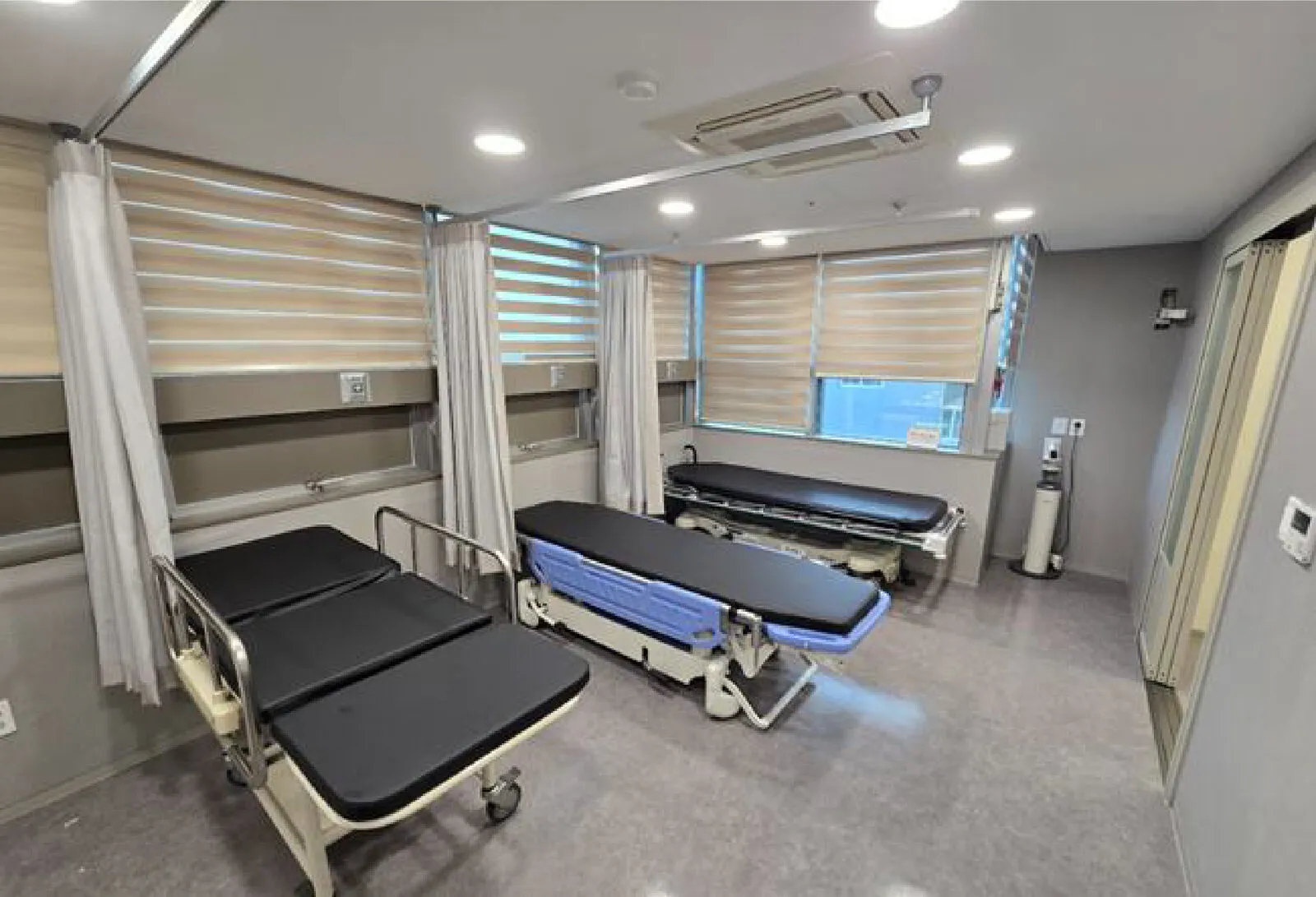
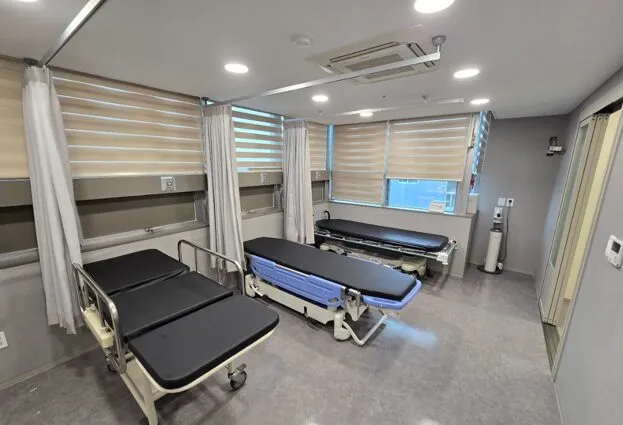
Our operating rooms and recovery rooms are in the same building as the consultation rooms, on floors 6 to 8 of Sinung Tower Two, a short walk from Sinsa Station Exit 8. Pascal also treats noses that have already been operated on.
Forums tend to skip one point: the day your stitches come out and the day your nose looks finished are months apart, and people book flights expecting both at once.
For a first rhinoplasty on a low bridge, our figures are stitches out 5–7 days after surgery and a return to daily life within 5–7 days. After revision rhinoplasty, stitches also come out at 5–7 days, with daily life within 7 days. Fine swelling at the tip keeps settling long after you're home.
If you're weighing dates now, send front and side photos on WhatsApp with the days you could be in Seoul. Ask how those days line up with stitch removal for a nose like yours.
Send your nose photos and travel dates on WhatsApp
Get a free consultation in 1 minuteHow do the first two weeks usually run?
The first two days are about swelling, the first week is about stitches, and everything after that is about patience. These are our own figures for the two procedures.
| Our figures | First rhinoplasty, low bridge | Revision rhinoplasty |
|---|---|---|
| Operation time | About 60–90 minutes | About 1.5–2 hours |
| Anesthesia | Sleep or local | Sleep or general |
| Stitch removal | 5–7 days after surgery | 5–7 days after surgery |
| Back to daily life | Within 5–7 days | Within 7 days |
| Visits for stitches and checks | 1–2 | 2–3 |
After a low-bridge rhinoplasty, our aftercare is cold compresses four times a day for two days. After a revision, it's four times a day for two to three days. Don't lie face down or press on your nose, and use the nasal cleaning and prescribed ointment as instructed.
Revision adds a few rules: sleep with your head raised, keep up the ointment and prescribed medicine for 1–2 weeks, and keep your hands off your nose for at least two weeks.
In general, bruising around the eyes and a blocked feeling in the nose are worst in the first days and fade over the following week or two. Plan for that week to look like recovery, not sightseeing.
One logistic point decides a lot. Our hours are Monday to Friday 10:00–19:00 and Saturday 10:00–17:00, closed on Sundays and public holidays. Your stitch-removal day has to fall on a day we're open, so count forward from your surgery date before you book the flight.
Why does the swelling outlast the stitches?
The skin and soft tissue over the tip drain fluid more slowly than the bridge. The bridge usually settles first; the tip keeps refining for months. The American Society of Plastic Surgeons notes that the new contour can take up to a year to refine fully. If your tip skin is thick, expect that end of the range.
This is why I separate two questions. Can you go back to work and travel? For most first-time patients, that's the 5–7 day figure. Is the shape final? Not for months, and the mirror in week one tells you little about it.
A nose also has to breathe well before it can look good. When I plan a bridge or a revision, I weigh how air moves through the nose as heavily as the profile. A shape that blocks breathing is a poor result, however it photographs.
Doctor's note
In the first weeks, I'd ask you not to judge your nose in the mirror every morning. The tip is still holding fluid, and pressing on it to check does more harm than the swelling itself. Look at it again after several months, in daylight, from the side.
Implant, your own tissue or a revision: which method fits?
Rhinoplasty for a low nasal bridge raises the bridge and tip using an implant or your own tissue. A review of Asian rhinoplasty describes both routes: synthetic implants such as silicone, and autologous cartilage taken from the septum, ear or rib. Your own tissue means a second area that also has to heal, which adds to what you feel in the first days.
Revision is a different operation. A previous surgery leaves adhesions, scar tissue and sometimes damaged cartilage inside the nose, so diagnosis and planning need more precision than a first surgery. People come for revision because of asymmetry, inflammation, an implant that has moved, capsular contracture, or thin skin that shows the implant's outline. That complexity is why our revision figures show a longer operation and more visits.
If an old incision scar is part of what bothers you, our guide to scar revision surgery in Seoul explains how scars are assessed.
A trip of about a week and a half, reasoned through
Say you have a low bridge, no previous surgery, and you're nervous about flying home with a visibly swollen face. You can take about a week and a half away. Here's how I'd think about your dates.
Arrive early in the week, so the consultation and exam come first. Your surgeon confirms suitability at that in-person exam, so the surgery date follows it. Stitches then come out 5–7 days later, which pushes you into the next week. Check that the day isn't a Sunday or a public holiday.
Leave at least one day between stitch removal and your flight. The CDC advises allowing enough time to recover before flying, because flying soon after surgery raises the risk of blood clots. Pack a mask and a loose top that doesn't pull over your face.
Keep the trip about your nose. If you were hoping to fit in a lifting treatment such as Ultherapy or Ultherapy Prime, ask about timing first, because a swollen face is a poor time to judge any other result. Our cheekbone reduction travel guide works through the same date-counting for a longer surgery.
If your nose has been operated on before, send the year of that surgery and what was used, along with your available dates. Send your photos and the details of your previous surgery, and the team will tell you whether a revision is likely to help.
Send your nose photos and travel dates on WhatsApp
Get a free consultation in 1 minuteWhat do rhinoplasty recovery reviews get right?
Threads about Korean rhinoplasty recovery tend to repeat four claims.
“Back to normal in a week.” Partly true. Our figures put daily life within 5–7 days for a first low-bridge surgery. What the thread usually means is that the bruising has faded; the tip is still changing.
“You can fly out the next day.” Treat this one with caution. Stitches are still in, and the CDC's point about blood clots after surgery applies.
“A revision heals faster because the nose was done before.” The opposite is closer to the truth. Revision works through scar tissue and adhesions, and our figures show a longer operation and more check visits.
“Cold compresses help.” True, and they're in our aftercare for the first two to three days. A rhinoplasty Korea recovery timeline posted on a forum describes one nose, not yours, so use it as a rough guide only.
What decides the cost of rhinoplasty in Seoul?
On our price list, rhinoplasty is quoted after your exam, because the price depends on the extent of surgery. List prices are in Korean won, before 10% VAT. These factors move your figure:
- First surgery or revision. Revision means more time in surgery and more visits.
- Implant or your own tissue. Taking cartilage adds a second surgical site.
- Anesthesia. Sleep or local for a first low-bridge surgery; sleep or general for revision.
- Extent. Bridge only, or bridge and tip together.
- Your days in Seoul. Stitch removal and checks set how long you stay, which changes your accommodation costs.
To get a figure for your own nose, message us on WhatsApp and ask for a range for your case. A plan for Korea rhinoplasty recovery and a quote both come from the same exam, so ask about both in one message.
Risks, and who should wait
Risks and side effects to know
Common and temporary: swelling, bruising around the eyes, a stuffy nose and numbness at the tip. For many people these fade over weeks, with the fine tip swelling lasting longer.
Less common: the ASPS lists bleeding, infection, anesthesia risks, difficulty breathing through the nose, persistent numbness, asymmetry, scarring and the possibility of revision. With implants, movement, inflammation and capsular contracture can develop. Surgery carries risks such as bleeding, infection and inflammation, and your surgeon explains them before you decide.
As general medical guidance, wait if you have an active nasal or sinus infection, are pregnant, or take blood thinners your own doctor hasn't cleared you to pause. Smokers heal more slowly, and a teenager's nose may still be growing.
After you're home, see a local doctor promptly for fever, spreading redness, discharge, bleeding that won't stop, trouble breathing, a sudden change in shape or an implant edge showing. Then send photos and your surgery date on WhatsApp. Individual results vary.
Your first message
On WhatsApp, send a side photo of your nose in daylight and the one question that's stopping you from booking. When you come to Seoul, I examine your nose in person and recommend the approach and number of days that fit it.
Frequently asked questions
When can I wear glasses after rhinoplasty?
Glasses rest on the bridge, where the swelling and any implant are settling. Many surgeons ask you to limit heavy frames for a few weeks, so ask about your own case before you travel and pack contact lenses if you use them.
Is rhinoplasty done under general anesthesia at Pascal?
For a first rhinoplasty on a low bridge, our listed options are sleep or local anesthesia. For revision rhinoplasty, they are sleep or general anesthesia.
Who performs rhinoplasty at Pascal Clinic?
Dr. Bae Seung-joo focuses on nose surgery, along with scar reconstruction, facelift and eyelid surgery. You meet your surgeon at your consultation.
How many clinic visits does revision rhinoplasty need?
Our figures for revision rhinoplasty are 2–3 visits for stitch removal and checks, compared with 1–2 after a first low-bridge rhinoplasty.
When can I exercise again after nose surgery?
Strenuous exercise raises blood pressure in the face and can increase swelling or bleeding, so it usually waits several weeks. Ask for the timing for your surgery before you plan a gym or hiking day.
This article is general information, not medical advice. Individual results vary, and surgery carries risks such as bleeding, infection and inflammation. Your surgeon confirms suitability at an in-person exam. Read the medical disclaimer.
Scar reconstruction · Facelift · Rhinoplasty · Eyelid surgery · Skin