
Korea nose tip after rhinoplasty: is a round, stiff tip at six weeks a sign that something went wrong?
Read this before you ask anyone about a revision.
You'll know which common beliefs about the tip hold up, which methods change how it heals, what decides the cost and what reviews get wrong. Then you can choose your next step for your nose and your budget.
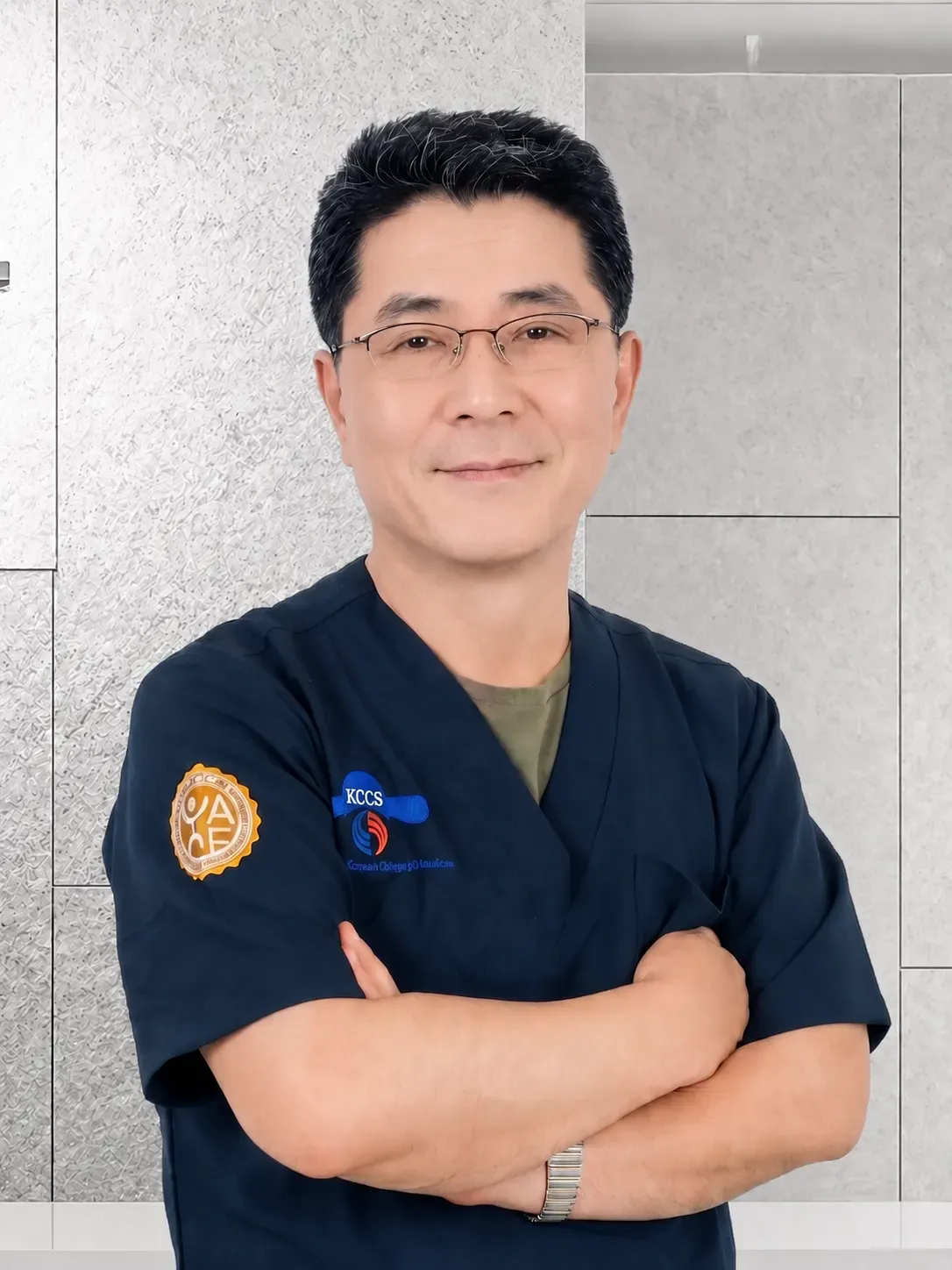
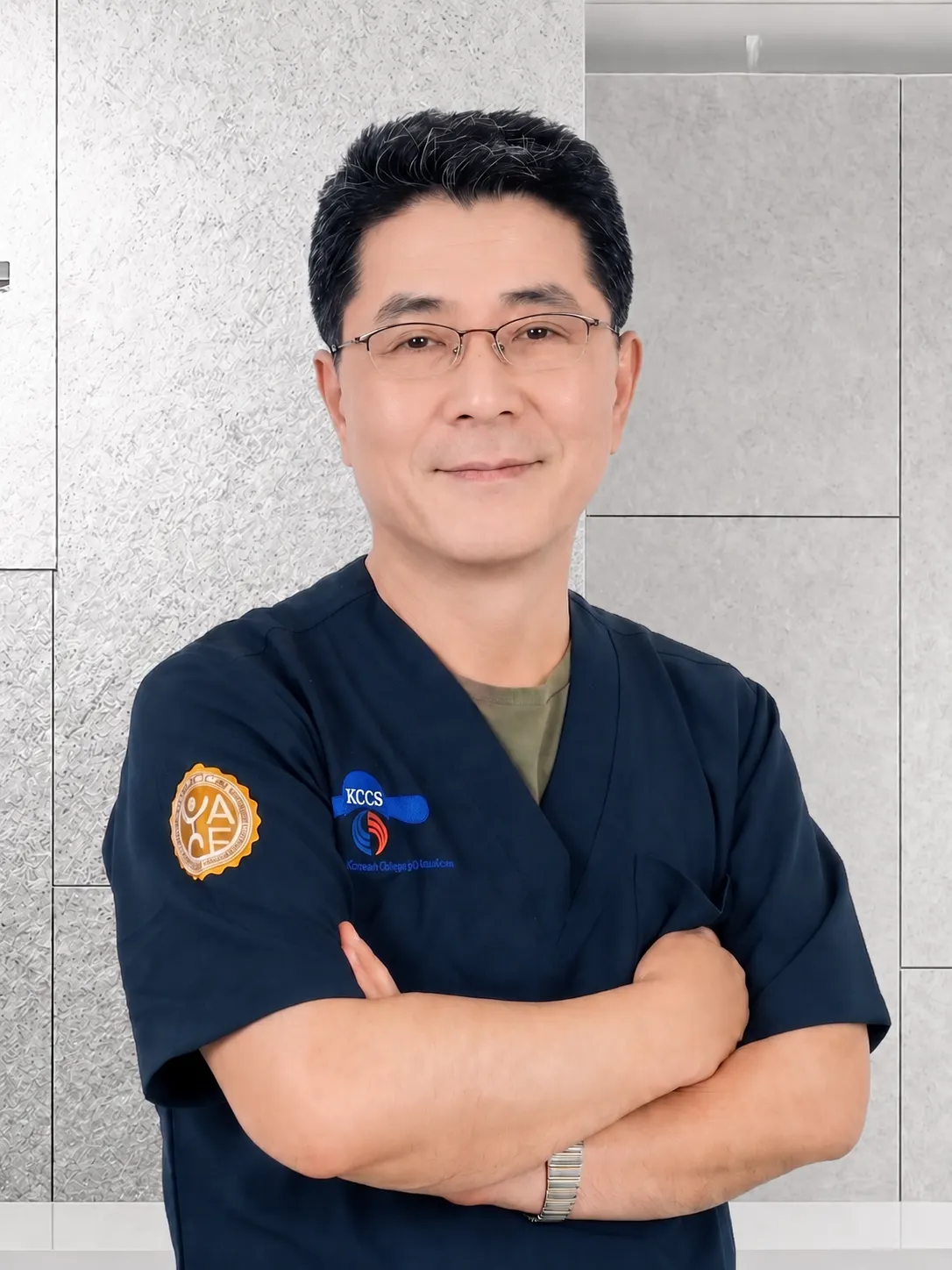
Hello, I'm Dr. Bae Seung-joo, a director and plastic surgery specialist at Pascal Clinic in Gangnam.
I trained in reconstructive plastic surgery at MD Anderson Cancer Center in Houston, and my work includes first-time and revision nose surgery. Pascal treats revision cases, and you meet your surgeon at your consultation.
I wrote this because the tip often gets judged at the stage when it tells you the least.
A tip usually keeps changing for months after the stitches are gone, since swelling there tends to settle last. Early firmness and numbness are common, while spreading redness, discharge or an implant showing through the skin needs a surgeon's attention soon.
If you can't tell which stage yours is at, send a daylight side photo on WhatsApp with your surgery date and the one change that worries you.
Send a side photo and your surgery date on WhatsApp
Get a free consultation in 1 minuteWhy does a Korea nose tip after rhinoplasty stay swollen longest?
Skin at the tip is usually thicker and oilier than skin over the bridge, and surgery disturbs the small vessels that drain it. Fluid clears slowly from that spot. The tip can look round and wide while the bridge already looks settled.
The American Society of Plastic Surgeons says initial swelling fades within a few weeks, and that the new contour may take up to a year to fully refine.
Stitches mislead people. For a first low-bridge rhinoplasty at Pascal, stitches come out 5–7 days after surgery and daily life resumes within 5–7 days. After revision, daily life resumes within 7 days. Those dates tell you when your routine can restart, and fine tip swelling keeps settling for months beyond them.
A Seoul nose tip after rhinoplasty heals on the same clock as one operated on anywhere else. What changes is the distance to your surgeon once you've flown home.
If you sat in front of me at six weeks, my first questions would be about structure: what supports your tip, how thick your skin is, and whether the shape is still changing. A photo shows the shape, and those three answers explain it.
Beliefs about the tip that need correcting
A firm tip means the surgery failed
Firmness usually means the tip has support and swelling at the same time. Cartilage placed to hold a tip feels harder than the soft tip you had before, and healing tissue around it adds to that in the first months. Many tips soften somewhat, though one held by a strong graft may stay firmer than it was.
Numbness means a nerve is gone for good
Small sensory nerves get disturbed during surgery, and feeling often returns gradually. The American Society of Plastic Surgeons lists skin numbness among rhinoplasty risks, so it deserves a question if nothing has changed after several months.
Massage or pressing will shape it
Pressing a healing nose can't reliably shape it, and it may disturb what lies underneath. Pascal's aftercare for a first rhinoplasty says to avoid lying face down or pressing on the nose. After revision, it says to avoid pressing or touching the nose for at least two weeks. If you had surgery elsewhere, ask your own surgeon before you start massage or taping.
A round tip today will stay round
Early on, swelling explains much of the roundness. At around a year, whatever width remains more likely reflects skin thickness and the structure beneath it. Thick skin limits how fine a tip can look, even with strong support.
A second operation can fix it soon
Surgeons generally avoid revising a tip while it's still swollen and healing, because the target is still moving. Many use about a year as a rough marker, and problems such as infection or an exposed implant can't follow that timetable. Revision rhinoplasty deals with adhesions, scar and damaged cartilage together, so it calls for more exact diagnosis and planning than a first operation.
Which methods change how the tip heals and feels?
Pascal's low-bridge rhinoplasty raises the bridge and tip with an implant or your own tissue. It takes about 60–90 minutes under sedation or local anesthesia. Revision takes about 1.5–2 hours under sedation or general anesthesia.
A tip plasty reshapes and supports the cartilage at the end of your nose. Some surgeons also use a septal extension graft, a piece of cartilage fixed to the septum to control how far the tip projects and rotates. Its strong support can hold shape against heavy skin, and a stiffer tip is a commonly described trade-off.
Say you have thick skin and a low bridge, and you fly home in week two. I'd explain three things before you decide. Your tip will probably look wider in that week's photos than it will later. Thick skin limits how fine it can become. Stronger support resists that skin, at the price of a firmer feel.
With thin skin, the talk changes. Swelling tends to matter less, and implant edges or an uneven cartilage line can show more readily. Thin skin that lets an implant line show is one of the reasons people seek revision.
Doctor's note
My aim is a result that looks like your own face, so I'd weigh a tip by its skin and support before I weigh it by a single date on the calendar. If your tip is improving month by month, that trend tells me more than how it looks on one bad morning.
Some people who dislike a wide-looking tip are reacting to the width of the midface. How cheekbone reduction softens a face is a separate question from nose surgery, and it helps to separate the two early. If your concern is a visible scar, our guide to scar revision methods and recovery applies; revision can make a scar flatter, narrower or less visible, and it never erases one.
What do reviews get right about the tip?
Review threads often say a tip takes about a year to settle. Medically, that's close to the published guidance. Threads also say a tip that dropped slightly within months has failed. Some change is expected as swelling fades, so one account can't tell you whether support was lost.
Another common claim is that a soft tip proves good work and a stiff one proves bad work. Neither holds, because stiffness follows the type of support used. Most worries about a Korea nose tip after rhinoplasty come from comparing your week six with a stranger's year two, with different skin and a different method.
What decides the cost of tip work in Seoul
Correcting a Korea nose tip after rhinoplasty is priced by what the surgery must do. These factors move it most:
- First operation or revision, and the condition of the tissue left behind
- An implant or your own cartilage
- How much tip work is needed
- Sedation, local or general anesthesia
- Days in Seoul and follow-up visits, about 1–2 after a first rhinoplasty and 2–3 after revision
Pascal quotes rhinoplasty after an exam, since the price depends on the extent of surgery. Ask on WhatsApp what it would cost for your case, with front and side photos, and you can get a range before you travel. For how another facial surgery trip is laid out, see this travel guide to cheekbone reduction surgery in Korea.
When should you contact a surgeon sooner?
Risks and side effects to know
Swelling, bruising, a stuffy nose and tip numbness are common at first. They usually ease over weeks to months. Less common risks include bleeding, infection, poor wound healing, breathing difficulty, a hole in the septum, a shape you're unhappy with and a need for further surgery.
People usually need to hold off or discuss timing first if they have an active infection or skin inflammation on the nose, a recent nose operation that's still healing, or a pregnancy. Tell your surgeon about blood-thinning medicines, smoking and any earlier nasal surgery.
After you've flown home, fever, spreading redness, discharge, worsening pain, heavy bleeding or an implant showing through the skin needs a local doctor promptly. The CDC's medical tourism advice includes arranging follow-up care and carrying copies of your records, so keep your operation details with you. Individual results vary. Surgery carries risks such as bleeding, infection and inflammation, and your surgeon explains them before you decide.
Had your operation at another clinic? Send your photos and the details of that surgery on WhatsApp, and ask whether a revision is likely to help. Pascal's team answers that question for revision cases.
Send a side photo and your surgery date on WhatsApp
Get a free consultation in 1 minuteYour first message
On WhatsApp, add your surgery month and the question you keep coming back to. When you come to Seoul, your surgeon examines your nose and recommends what fits your skin and structure.
Frequently asked questions
How long until my nose tip looks final?
Initial swelling fades within a few weeks, and the American Society of Plastic Surgeons says the contour may take up to a year to fully refine. Thick skin often takes longer to show fine detail.
Is it normal for the tip to feel hard after surgery?
Firmness is common in the first months, especially when cartilage has been added for support. Many tips soften somewhat, while a tip held by a strong graft may stay firmer than before.
Can I fly home while my tip is still swollen?
Swelling alone doesn't tell you whether it's time to travel. At Pascal, stitches come out 5–7 days after surgery, so ask your surgeon to confirm your flight date around that visit and your own healing.
Should I tape my nose tip at home?
Only if your surgeon told you to. Instructions differ by method, and pressing on a healing nose can disturb the tissue, so ask before you start taping or massage.
Does Pascal correct a nose operated on at another clinic?
Yes, Pascal treats revision cases for noses. Send your photos and details of the earlier surgery, and the team will tell you whether a revision is likely to help. Your surgeon confirms suitability at an in-person exam.
This article is general information, not medical advice. Individual results vary, and surgery carries risks such as bleeding, infection and inflammation. Your surgeon confirms suitability at an in-person exam. Read the medical disclaimer.
Scar reconstruction · Facelift · Rhinoplasty · Eyelid surgery · Skin