Are you weighing a hiko nose thread lift Korea trip, and worried about what happens if a thread causes trouble after you fly home?
Read on before you book flights or a date.
After this post you will know what the lift can and cannot do, what shapes the price, which problems show up weeks or months later, and who is better off with rhinoplasty.
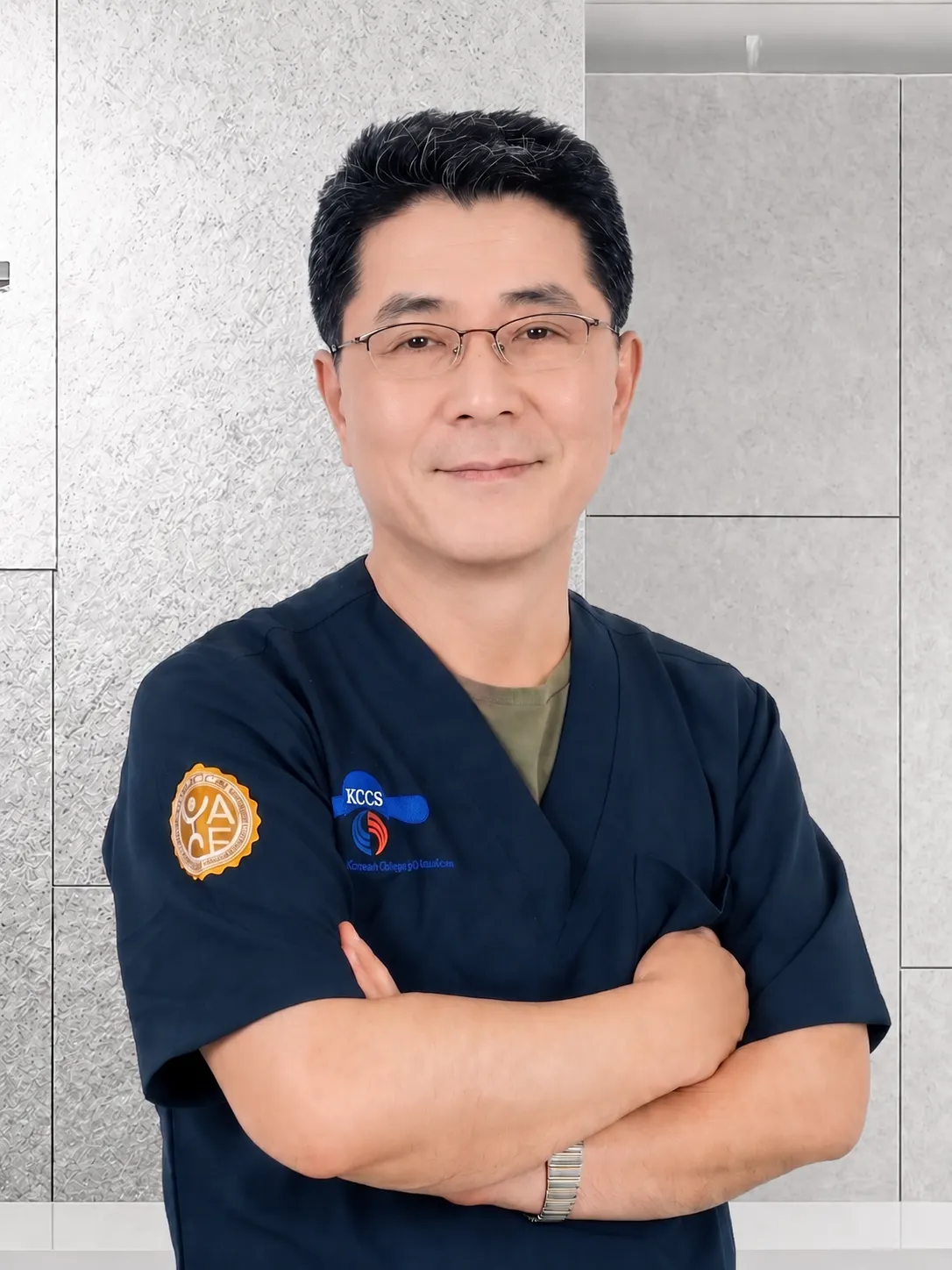
Hello, I'm Dr. Bae Seung-joo, Director of Pascal Clinic in Sinsa, Seoul.
Pascal lists thread lifting, rhinoplasty for a low nasal bridge and revision rhinoplasty on one menu, and we treat revision cases for noses, so you can ask which of these your nose actually needs.
Short answer: a hiko nose thread lift gives temporary height with absorbable threads and no cut, but it fades as the threads dissolve and can leave threads you feel or see, so it suits fewer noses than it seems.
Ask your nose question on WhatsApp
Get a free consultation in 1 minuteWhat is hiko nose thread lift, in plain terms?
HIKO is a name used for a nose thread technique. Absorbable threads go in through small entry points and are laid along the bridge and into the tip, where they support the soft tissue and lift it. People also call it a hiko nose lift, or simply nose threads.
Threads work on soft tissue only. A hump, a crooked bony bridge or a wide bony base stays as it is. The tip can gain some support, within what the skin and cartilage allow.
On Pascal's own menu, thread lifting with COG and Mint threads is described as placing absorbable medical threads in the dermis or SMAS layer to lift sagging skin. HIKO is not a separate item on that list. Nose shape is treated under rhinoplasty, for a low bridge or as a revision.
The first weeks: swelling, bruising and dimpling
Swelling and bruising are the expected part, and they can spread to the skin between the eyes. The American Society of Plastic Surgeons lists swelling and bruising, infection, extrusion of a thread, pain that could persist, anesthesia risks and an unfavorable result among its thread lift risks. That list is written for thread lifts in general, mostly on the face.
Risks and side effects to know
The invited commentary argued that short-lived swelling and dimpling belong to normal healing, and count as complications only when they last.
For a hiko nose thread lift Seoul trip, that means no photos or meetings you care about in the first days, and a buffer before the flight.
Months later: threads you can feel, see or that poke through
The later problems are less common and more stubborn: a thread you can feel under the skin, one you can see, one that pokes through, altered sensation, or infection. The same meta-analysis counted each of these. Its commentary cautioned that pooling different thread types makes the figures hard to apply to any one product.
Skin over the nasal bridge and tip is thin. A thread end that would stay hidden in a cheek can be easier to feel or see there. A thread that has come through the skin or become infected usually has to be removed, and an infection needs prompt treatment.
What if a thread problem shows up after you fly home?
The weak point of any hiko nose thread lift Korea trip is the weeks after it, when you're no longer near the clinic. Learn the warning signs before you leave, and know which doctor at home you would call.
Signs that need a doctor promptly:
- redness that spreads, or skin that feels hot
- pus or fluid at an entry point
- fever
- a thread end visible or poking through the skin
- pain that gets worse instead of better
The US Centers for Disease Control and Prevention advises medical travelers to get copies of their records and arrange follow-up care at home before they go. For threads, the useful record is the thread type, how many were placed, where the entry points were, the date, and any medicines you were given. Keep it on your phone.
Before you book, put your travel dates in the same WhatsApp message as your photos and your question. A coordinator passes them to your surgeon and replies with options, and having the dates in the message keeps those options tied to the trip you can actually take.
Ask your nose question on WhatsApp
Get a free consultation in 1 minuteWho should skip a nose thread lift?
Threads are a poor match when the goal is structural, when something is already under the skin, or when the trip leaves no room for a check. In more detail:
- Your main concern is a hump, a crooked bridge or a wide bony base. Threads don't change bone.
- You have a nasal implant or recent filler. Placing threads near either adds a possible route for infection or displacement, so tell the examining surgeon first.
- The skin over your bridge is very thin. A thread is more likely to be felt or seen.
- The skin on your nose is inflamed or broken out. Treatment waits until it settles.
- You expect a lasting change from one session. The height fades as the threads dissolve.
Doctor's note
Threads ask very little of you on the day, which is exactly why they appeal on a short trip. The trade-off is a small, temporary change, and problems, when they happen, often surface after you're home.
Say you are in your late twenties, you have a low bridge and a slightly flat tip, and you had nose filler some time ago. You want a higher, more defined nose but only have a short trip to Seoul. When I look at a nose like this, I start with how thick your skin is, how much height you want and whether the filler is still there, because all three decide whether threads would sit comfortably or show.
If the skin is thin and you want a lasting change, I would explain why threads may only give a short-lived lift and why rhinoplasty for a low nasal bridge is worth discussing. If you want a small, temporary change and your skin is thicker, a thread lift can be a reasonable thing to talk through.
When does rhinoplasty make more sense than threads?
Rhinoplasty makes more sense when you want a change that lasts, or when the issue sits in bone or cartilage. It also covers revision: Pascal treats revision cases for noses, and the details of your previous surgery are part of what to send.
Surgery asks more of a trip. Swelling takes longer to settle and stitches are part of the plan, so you need more days in Seoul. Surgery carries risks such as bleeding, infection and inflammation, and your surgeon explains them before you decide.
The nose is rarely the only thing shaping a profile. Cheekbones and jaw play a part too, covered in our pieces on cheekbone reduction for a softer face and on revision double jaw surgery and relapse. If sagging in the lower face bothers you more than the nose, the Ultherapy versus Ultherapy Prime guide covers non-surgical lifting. And if an earlier procedure has left a visible mark, our overview of scar revision methods and recovery explains the options.
What decides the cost of a hiko nose thread lift in Korea?
The cost depends on how many threads your nose needs and which type is used, which follows from how much height or tip lift you want. Skin thickness matters too, because thin skin shows threads more and may call for a different plan. Anaesthesia, the number of days you stay in Korea and whether you want a check-up before you fly home also change the total.
Because the threads dissolve, you should also think about whether you would repeat the treatment, since each repeat is another round of the same factors. To get the figure for your own nose, ask on WhatsApp with clear front and side photos and request the price-list lines that match your case.
The surgeon and the clinic behind this page
Dr. Bae Seung-joo, whose focus includes nose surgery, is an MD, PhD and plastic surgery specialist. He passed USMLE Steps 1, 2 and 3, trained in reconstructive plastic surgery at MD Anderson Cancer Center, and is a former head of plastic surgery and professor at Konyang University Hospital, Daejeon. His doctor profile lists every position.
Pascal is at 157 Dosan-daero, Sinung Tower Two (6F–8F), near Sinsa Station Exit 8, open Monday to Friday 10:00–19:00 and Saturday 10:00–17:00. Individual results vary. Your surgeon confirms the plan at an in-person exam.
Send front and side photos of your nose on WhatsApp, list any earlier nose surgery or filler, and add the one question you most want answered, for example whether threads or rhinoplasty fit your nose. One photo set is enough to start, and you can ask before booking anything. When you come to Seoul, I examine your nose and recommend what fits, whether that is a hiko nose thread lift Korea visit or a rhinoplasty plan.
Frequently asked questions
How long does a HIKO nose lift last?
The height fades as the threads dissolve, so the change is temporary. How long it holds is shaped by the thread type, your skin and how much lift was asked of it. A repeat session brings the same list of risks again.
Can nose threads be removed if something goes wrong?
A thread that has poked through the skin or become infected is usually removed. A deep, intact thread is harder to retrieve, and its lift fades on its own as it dissolves. Ask before treatment what removal would involve.
Can I have a nose thread lift if I already had rhinoplasty?
Tell your surgeon about any implant, graft or filler first. Threads placed near an implant add a possible path for infection, so surgeons are often cautious here. Pascal treats revision cases for noses, and the details of your previous surgery belong in your first message.
Does Pascal list HIKO nose threads?
HIKO is not a separate item on Pascal's published treatment list. Thread lifting with COG and Mint threads is listed for sagging skin, and nose shape is treated with rhinoplasty or revision rhinoplasty. Send photos and your question on WhatsApp to hear which options apply to you.
Is it a problem to fly soon after nose threads?
The flight matters less than when problems appear. Swelling and bruising show in the first days, and early signs of infection can start after you are home. Leave a buffer before flying and learn the warning signs: spreading redness, warmth, pus or a thread end in the skin.
This article is general information, not medical advice. Individual results vary, and surgery carries risks such as bleeding, infection and inflammation. Your surgeon confirms suitability at an in-person exam. Read the medical disclaimer.
Scar reconstruction · Facelift · Rhinoplasty · Eyelid surgery · Skin