Will your rhinoplasty recovery timeline really fit between a flight to Seoul and your first morning back at work?
This post covers what each stage of healing looks like, which signs are normal and which mean you should call someone, when flying home makes sense, and how a revision changes the count. With that, you can work out how many days to ask for and how many to keep spare.
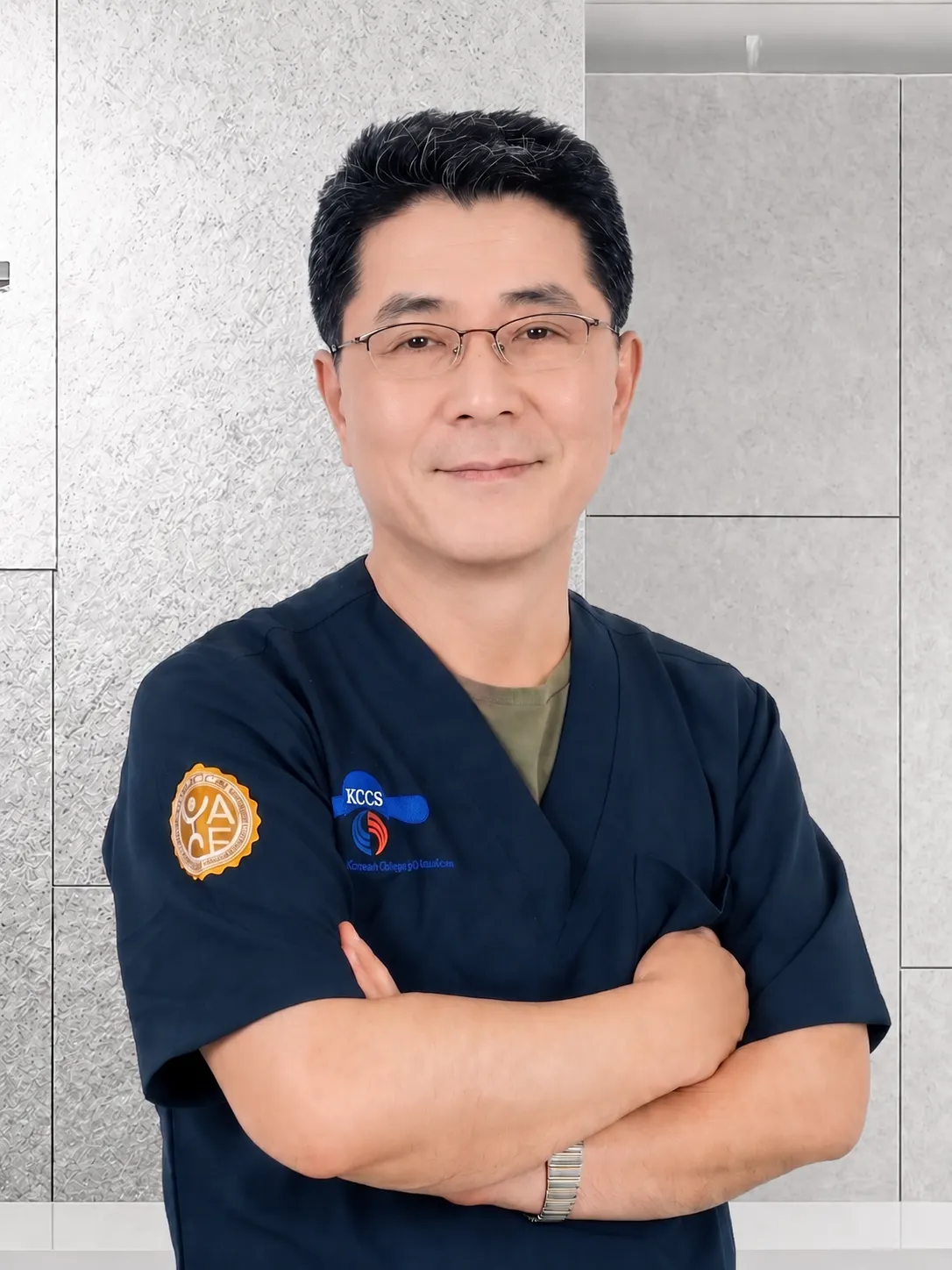
Hello, I'm Dr. Bae Seung-joo, Director at Pascal Clinic. I'm a plastic surgery specialist with an MD and a PhD, and my focus includes nose surgery, facelift and scar reconstruction.
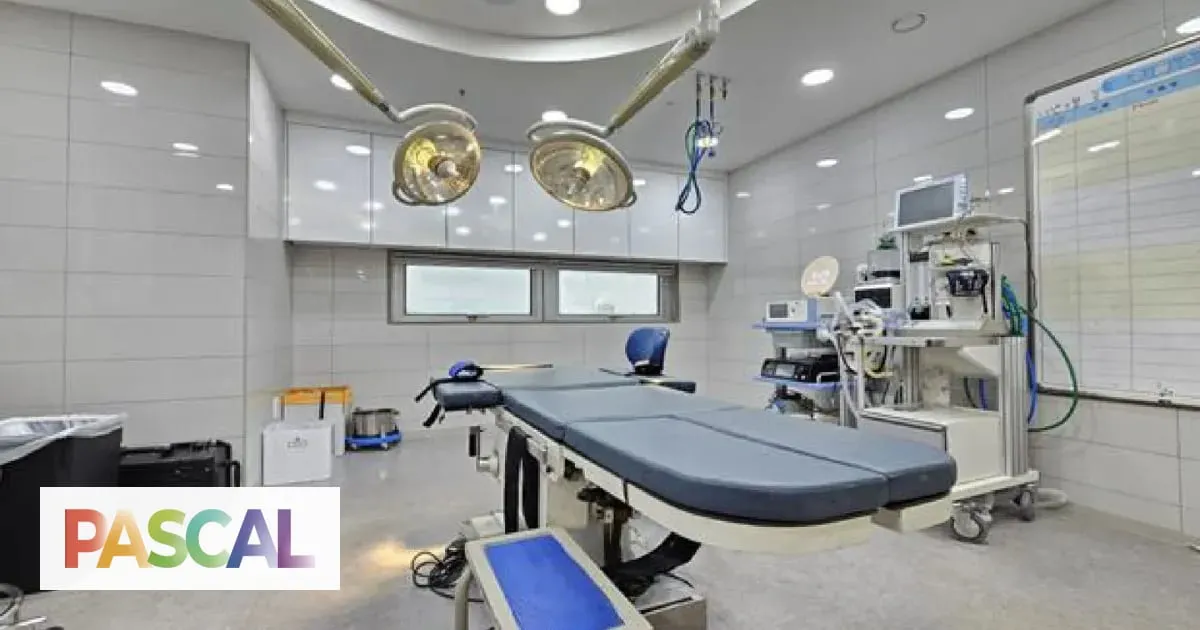
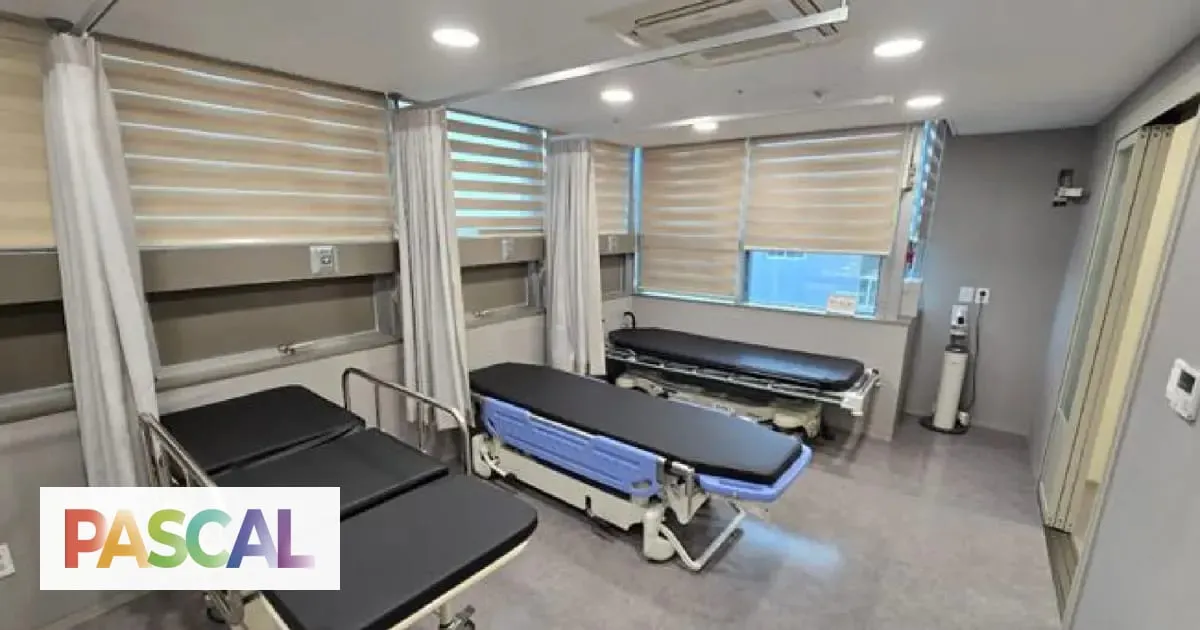
At Pascal you meet your surgeon at the consultation. The operating rooms and recovery rooms are in the same building in Sinsa-dong, a short walk from Sinsa Station Exit 8. You also get a medical interpreter for your language at no extra charge, so you'll hear your aftercare instructions in words you understand.
Many people plan the trip as if stitch removal were the finish line. For a nose, it's closer to the start of the part you'll go through at home.
After a first rhinoplasty for a low nasal bridge at Pascal, stitches come out 5–7 days after surgery and daily life resumes within 5–7 days. After revision rhinoplasty, it resumes within 7 days. Visible swelling then fades over weeks, and the tip keeps refining for months.
Not sure which of those schedules applies to you? Send a side-profile photo on WhatsApp, and if you've had nose surgery before, add the year it was done. The consultation is free. A coordinator passes your photos to the surgeon and replies with options.
Send a side photo and your dates on WhatsApp
Get a free consultation in 1 minuteWhat does the rhinoplasty recovery timeline look like day by day?
The figures in this table are the ones Pascal publishes for its two nose procedures. Anything outside the table, such as how fast bruising fades, is general medicine and differs from nose to nose.
| Stage | First rhinoplasty (low bridge) | Revision rhinoplasty |
|---|---|---|
| Time in surgery | about 60–90 minutes | about 1.5–2 hours |
| Anesthesia | sedation or local | sedation or general |
| Cold compresses | 2 days, 4 times a day | 2–3 days, 4 times a day |
| Stitches out | 5–7 days after surgery | 5–7 days after surgery |
| Back to daily life | within 5–7 days | within 7 days |
| Visits after surgery | stitch removal and checkups, 1–2 | stitch removal and checkups, 2–3 |
Days 1 and 2: a blocked nose and cold compresses
Your nose feels stuffed, like a heavy cold, because the lining inside swells along with the outside. Cold compresses go on four times a day. Keep your head raised when you sleep, and avoid lying face down or pressing on the nose. After a first rhinoplasty you clean the nostrils and apply the prescribed ointment 3–4 times a day.
Days 3 to 7: bruising turns, then the stitches come out
Bruising and puffiness around the eyes often look worst a few days in, then start to turn yellow and fade. Many surgeons protect the bridge with tape or a small nose splint during this stretch. Stitches come out 5–7 days after surgery. By the end of that week most people are back to desk work, short walks and meals out.
Weeks 2 to 6: strangers stop noticing
For many people the bruising has mostly gone by the second or third week, and the swelling is something only you notice. After a revision, keep your hands off the nose for at least 2 weeks, and keep using the ointment and prescribed medication for 1–2 weeks. You'll probably be home by then, so pack the medication in your carry-on.
Months later: the tip catches up last
The American Society of Plastic Surgeons' recovery guidance says the first swelling goes down within a few weeks, but the new contour can take up to a year to refine fully. The bridge usually settles first. The tip, where the skin is thickest, settles last, so a tip that still looks a little full at week six is often still changing.
Why the swelling outlasts the stitches
Stitches hold skin edges together, and those edges seal within days. Rhinoplasty swelling works differently. During surgery the skin is lifted off the framework underneath, and that interrupts the small lymph channels that drain fluid from the tissue. Those channels reconnect slowly, and until they do, fluid collects where the skin is thickest.
That's why the rhinoplasty recovery timeline runs on two clocks. The wound clock counts days and decides when you can fly and go back to work. The shape clock counts months and decides when you can judge the result. Trouble starts when people use one clock to make decisions that belong to the other.
Doctor's note
Before surgery, the skin over your tip tells me more about your recovery than the height you're hoping for. Thin skin shows change early, along with every small detail. Thick skin hides minor irregularities but holds swelling much longer. If your tip skin is thick, judge the result after several months, not at the stitch-removal visit.
Which signs are normal, and which mean you should call?
Most of the worry after a nose job comes from not knowing what to expect at each point of the rhinoplasty recovery timeline. These are common in the first weeks and usually ease on their own:
- Swelling that differs from side to side, often worse in the morning
- Bruising under the eyes that changes from purple to yellow
- A blocked nose and breathing through your mouth at night
- A little blood-tinged ooze in the first day or two
- Numbness or stiffness at the tip, which can last for weeks
These are reasons to contact a doctor promptly, wherever you are:
- Fever, or redness and heat that spread over a day or two
- Pain that gets worse after the first few days
- Bleeding that keeps running even when you sit upright and press gently
- Pus or a bad-smelling discharge
- One side swelling hard and fast
- After an implant, skin over it that turns red, thins or shows the implant's edge
Watch the trend more than any single symptom. Normal healing gets a little better each day. Infection or bleeding gets worse over a day or two.
If you've had nose surgery before and some of those later problems sound familiar, include them in your message. Send a front photo taken in daylight, the year of the earlier operation and whether an implant or your own cartilage was used. Pascal's team will tell you whether a revision is likely to help.
Send a side photo and your dates on WhatsApp
Get a free consultation in 1 minuteHow many days should you plan in Seoul?
Build your stay around the visits after surgery, not around surgery day. After a first rhinoplasty, plan to be in Seoul for the operation, the stitch removal 5–7 days later and any checkup, which comes to 1–2 visits in all. A revision has 2–3 visits, so the last one may fall later in your trip.
The calendar can catch you out. The clinic is open Monday to Friday 10:00–19:00 and Saturday 10:00–17:00, and closed on Sundays and public holidays. If your stitch day lands on a Sunday or a Korean holiday, the visit moves, so keep a spare day.
Say you're 48. A silicone implant placed years ago has started to show its outline under thin skin, and you can take ten days of leave. That's a revision, which stretches the rhinoplasty recovery timeline in three places: more visits, a longer cold-compress window and at least 2 weeks of keeping your hands off the nose. Ten days in Seoul can work if surgery happens early in the trip and the last checkup comes before your flight. If surgery could only happen halfway through the trip, I would move the trip so you don't have to squeeze the visits in.
On flying after rhinoplasty: changes in cabin pressure and dry air can make a healing nose feel more blocked. Many surgeons are comfortable with a long flight once the stitches are out and there's no active bleeding, but confirm the return date with your surgeon before you buy the ticket. On the plane, sit upright rather than slumping forward, drink water, and use nasal saline only if your surgeon has said you can.
For work, desk jobs usually fit the 5–7 day window. In a customer-facing job, bruising is usually the issue, and by the second or third week most people stop getting questions.
Risks and side effects to know
Rhinoplasty is surgery and carries the risks of surgery. The ASPS page on rhinoplasty safety lists anesthesia risks, bleeding, infection, poor wound healing or scarring, numbness, difficulty breathing through the nose, asymmetry and the possibility of needing another operation. After an earlier implant operation, inflammation, implant movement and capsular contracture are among the reasons people look into revision. Talk them through openly before a second surgery, because they shape the plan.
As general medicine, some situations are reasons to wait: an active sinus or skin infection near the nose, pregnancy, blood-thinning medication or supplements you can't safely pause, and smoking, which slows wound healing. Tell your surgeon about all of these at the consultation, and your surgeon explains the risks before you decide.
Individual results vary. Swelling, bruising and how fast the tip refines differ between two people having the same operation, and between a first surgery and a revision.
If something on the call list appears after you're home, see a doctor there the same day. Bring the name of your procedure and the medication you were given, and send a photo and the date it started on WhatsApp. If an open approach is used, it leaves a small scar under the tip that usually fades. If yours heals raised, our guide to scar revision surgery in Seoul explains what treatment can do. Scar treatment can make a scar flatter or less visible, but it never erases it.
Planning other treatments on the same trip
Some people want to use the same trip for something else. Energy-based face treatments, like the ones in our comparison of Ultherapy and Ultherapy Prime, deliver energy into tissue around the nose while it's still healing, so surgeons generally keep them apart from fresh nose surgery. A treatment away from the face, such as Mira Dry for underarm sweating, raises a different question: how much you can manage while you recover. Ask about the order and the gap at the consultation before you book both.
What to send before you book flights
Two things are enough for a first message on WhatsApp: a side-profile photo taken in daylight and the dates you could be in Seoul. Add one question about your own plan, such as "If surgery is on my second day, will my return flight fall after the last checkup?" The consultation is free, and the deposit and payment method are agreed after it, so you can ask about booking before you commit to anything. At the consultation in Sinsa, I'll look first at the thickness of the skin over your tip and, if you've had surgery before, at what's already under it. Those two things shape your rhinoplasty recovery timeline more than anything on a calendar.
Frequently asked questions
Can I wear glasses after rhinoplasty?
Heavy frames rest right where the bridge is healing, so many surgeons ask you to keep them off the nose, or tape them to the forehead, for several weeks. If you can't see without glasses, bring contact lenses so the first days aren't a problem.
When can I exercise or lift weights again?
Surgeons usually encourage walking early because it helps circulation. Hard cardio, weights, swimming and anything that could knock your face are generally put off for several weeks. Your surgeon gives you the date based on what was done.
Is it normal for one side to look more swollen?
Yes. In the first weeks swelling is often uneven, and your sleeping position can make one side puffier in the morning. Uneven swelling that slowly shrinks is expected. A side that becomes harder, hotter or more painful over a day or two is a reason to contact a doctor.
Can I blow my nose after surgery?
Blowing hard puts pressure on healing tissue, so surgeons generally advise against it in the first weeks. Pascal's aftercare for a first rhinoplasty includes nasal cleaning and the prescribed ointment 3–4 times a day, which keeps the nostrils clear without blowing.
Does it matter whether an implant or my own tissue is used?
Pascal raises a low bridge with either an implant or your own tissue. If cartilage is taken from somewhere else, such as the ear, that spot also needs time to heal, so ask which material is planned for you before you fix your dates.
This article is general information, not medical advice. Individual results vary, and surgery carries risks such as bleeding, infection and inflammation. Your surgeon confirms suitability at an in-person exam. Read the medical disclaimer.
Scar reconstruction · Facelift · Rhinoplasty · Eyelid surgery · Skin