If you're mapping your rhinoplasty recovery day by day against a fixed number of leave days, which day decides your flight home?
If the leave request isn't in yet, the part about the stitch-removal visit is the one that sets your dates.
This page answers four things: how the first days feel, the day the stitches come out, when a flight home makes sense, and what a revision adds. Together they tell you how many days of leave to ask for.
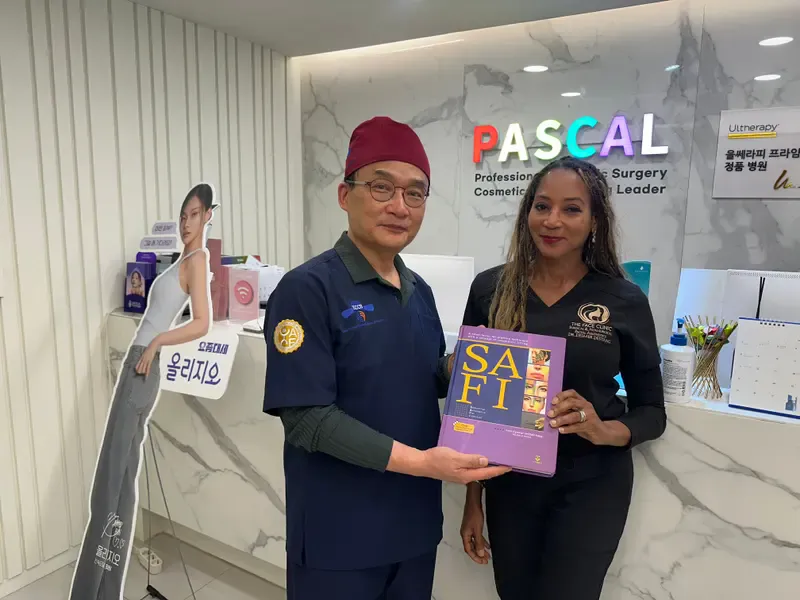
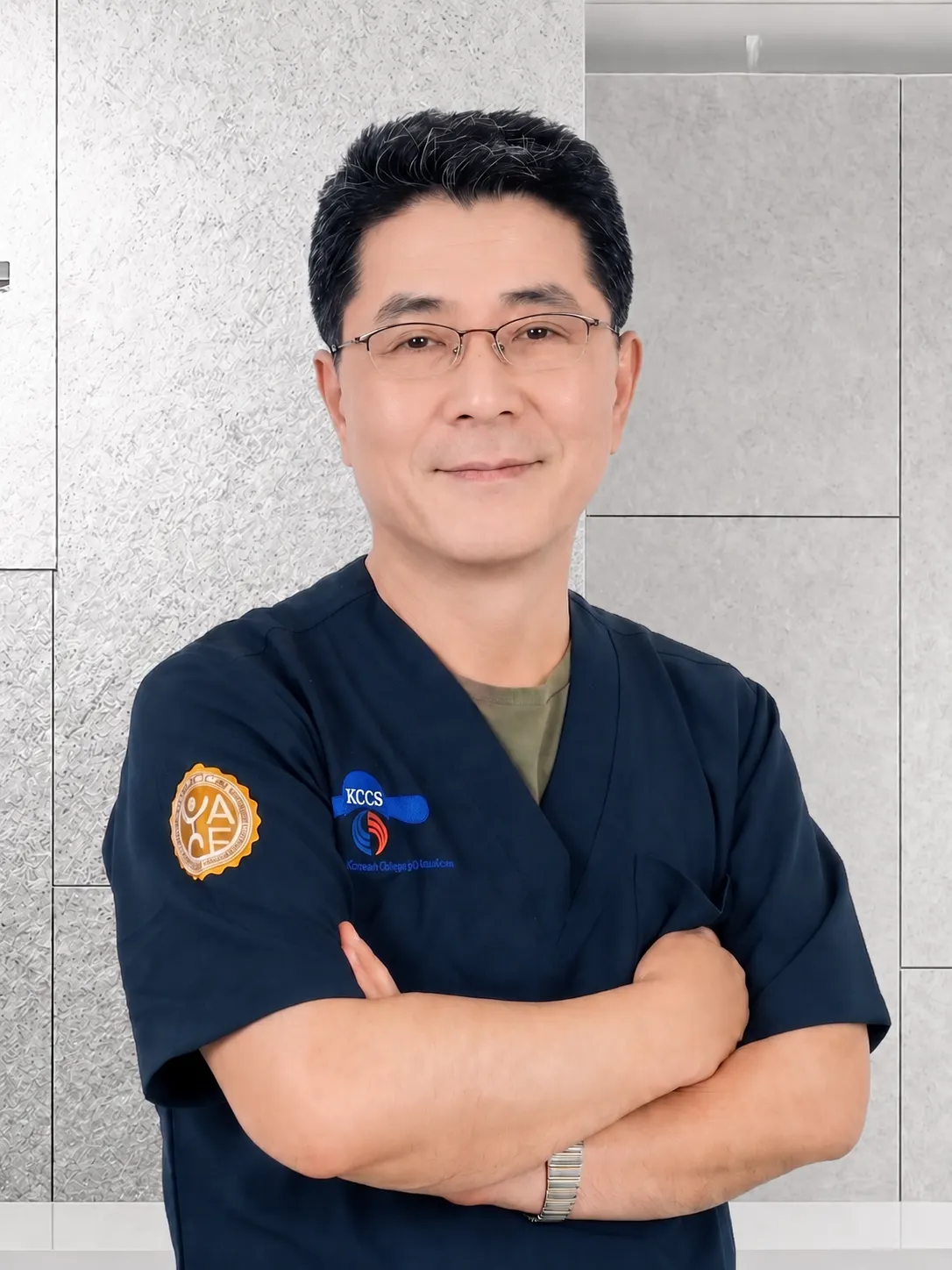
Hello, I'm Dr. Bae Seung-joo, Director at Pascal Clinic. I'm a plastic surgery specialist (MD, PhD), and first-time and revision nose surgery are part of my focus.
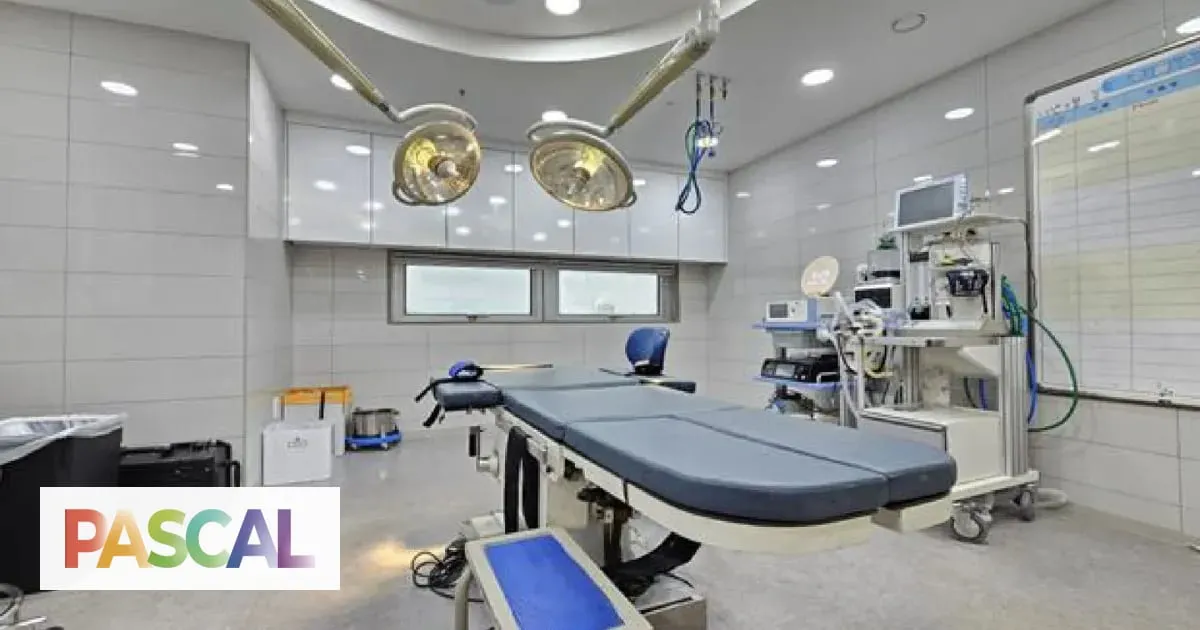
Pascal is in Sinsa, Gangnam, a short walk from Sinsa Station Exit 8, with operating rooms and recovery rooms in the same building. Foreign patients get a medical interpreter for their language at no extra charge. We're open Monday to Saturday and closed on Sundays and public holidays, a detail that matters for your stitch day.
Most people build the trip around the surgery date. The date that really limits you comes later.
For a first low-bridge rhinoplasty here, stitches come out 5–7 days after surgery and daily life resumes within 5–7 days; after a revision, within 7 days. Your earliest sensible flight is after that stitch-removal visit, while fine swelling at the tip keeps settling for months.
Not sure your leave covers it? Send your planned arrival and departure dates on WhatsApp with one front and one side photo of your nose, and ask whether those dates leave room for the stitch visit. That first consultation is free.
Send your dates and a side photo on WhatsApp
Get a free consultation in 1 minuteRhinoplasty recovery day by day: the first week in Seoul
Here is the first week laid out against your trip. The numbers come from the clinic's instructions for a first low-bridge rhinoplasty; revision is covered further down.
| When | What's happening | What it means for the trip |
|---|---|---|
| Surgery day | 60–90 minutes, sedation or local anesthesia | Rest only |
| First two days | Cold compresses four times a day | Stay close to your room |
| Middle of week one | Nasal cleansing and prescribed ointment | Short, slow outings |
| Days 5 to 7 | Stitches come out | Earliest point to fly |
| After that | Swelling keeps settling | Work and normal life, hands off the nose |
Surgery day
Rhinoplasty for a low nasal bridge raises the bridge and tip with an implant or your own tissue. The operation takes about 60 to 90 minutes. Keep that evening empty, and if you have sedation, have someone with you.
The first two days
Cold compresses go on four times a day for two days. Don't lie face down and don't press on the nose; sleeping with your head raised on extra pillows helps the swelling drain. Swelling and bruising around the eyes are usually at their most visible in these early days. Treat them as room-service days.
The middle of the first week
Nasal cleansing and the prescribed ointment become your routine. Packed rush-hour subway cars are not, because one bump to a fresh nose is the thing to avoid. When exercise can restart is a question to ask your surgeon directly.
Days 5 to 7
The stitches come out, and most people are back to ordinary daily life by now. For a first rhinoplasty, plan on one or two visits in total for stitch removal and check-ups.
The weeks and months after
The American Society of Plastic Surgeons notes in its rhinoplasty recovery guidance that initial swelling subsides within a few weeks, while the nasal contour can take up to a year to fully refine. That slow last stage happens at home, not in Seoul.
Which day can you fly home after rhinoplasty?
After the stitch-removal visit, not before. That single rule turns a rhinoplasty recovery day by day plan into actual flight dates.
The catch is the calendar. Say your surgery is on a Tuesday. Day 4 is Saturday, too early for the stitches. Day 5 is Sunday, when we're closed. So your stitch visit realistically lands on Monday, day 6, and your flight goes Monday evening or Tuesday. Run the same check with Korean public holidays before you book anything.
On the plane, keep your head upright, drink water and keep up the nasal cleansing. Cabin air is dry, and a nose that was splinted a week ago will notice.
Doctor's note
Good results start from an exact understanding of structure, not from feel, and the stitch visit is the first close look at how that structure is healing. If one spot is inflamed or swelling sits unevenly, that's the visit where it gets seen in person. If I had to choose, I'd rather you lose a sightseeing day than book a flight that makes you skip it.
If you already have flights on hold, message the flight times and the surgery day you have in mind, and ask which day the stitch visit would fall on.
Send your dates and a side photo on WhatsApp
Get a free consultation in 1 minuteHow does revision rhinoplasty change the count?
Revision rhinoplasty corrects problems after an earlier nose surgery: asymmetry, inflammation, implant movement or a line you're unhappy with. Scar tissue and adhesions from the first operation have to be worked through, so it takes longer, about 1.5 to 2 hours, under sedation or general anesthesia.
The rhinoplasty recovery day by day looks a little heavier too:
- cold compresses four times a day for two to three days
- head raised while you sleep
- ointment and prescribed medication for one to two weeks
- no pressing or touching the nose for at least two weeks
- two to three visits for stitch removal and check-ups, with daily life resumed within 7 days
Say your first rhinoplasty was years ago and the implant now sits slightly off-center. With up to three visits to fit in, I'd want your flight after the last of them, not the first. If your leave can't stretch that far, moving the trip is the better trade than squeezing the checks.
What will people at work notice, and when?
By the time the stitches are out, the bruising is usually fading and you can be at a desk. What remains is mostly tip swelling.
If you have a camera-facing job or an event soon after you land, put it later rather than earlier. The nose you see in week two is not yet the nose you'll have.
Risks and the signs that shouldn't wait until you're home
Surgery carries risks such as bleeding, infection and inflammation, and I explain them before you decide. The common, temporary part is swelling, bruising, a blocked nose while the splint is on and a numb-feeling tip. Less often, implant-related problems such as movement, inflammation or tightening of the capsule around the implant show up later; those are among the reasons people come for revision.
It makes sense to wait if you have an active cold or sinus infection, are pregnant, or smoke and can't stop around the surgery. Tell your surgeon about any blood-thinning medication. The American Society of Plastic Surgeons lists the wider rhinoplasty risks worth reading before you commit.
After you fly home, fever, spreading redness, pain that gets worse instead of better, discharge or bleeding that won't stop all need a local doctor or emergency department promptly. Send photos and your surgery date on WhatsApp as well, and keep your operation record with you so a doctor at home can see what was done. Individual results vary.
Any incision line usually softens over months. If one ever stays raised or wide, our scar revision surgery guide explains the options.
What should you send before booking?
The consultation on WhatsApp is free, and two things are enough to start: your possible travel dates and front and side photos of your nose. For a revision, add what you know about the earlier surgery. A coordinator passes them to your surgeon and replies with options. The one question worth asking: "Do my stitch-removal days fall on a Sunday or a holiday?" If you're ready to hold dates, ask then how the deposit and payment work, since both are settled after the consultation.
At your exam in Sinsa, the first thing I'd look at is the skin over your bridge and tip, because its thickness shapes how long the tip stays swollen and what your surgeon can build underneath it. Send the dates first; the rest of the plan follows from them.
Frequently asked questions
Can I wear glasses while my nose heals?
Heavy frames rest right on the bridge that was just operated on. After revision the instruction is no pressing or touching the nose for at least two weeks, and the same caution makes sense after a first rhinoplasty. Contact lenses are a common workaround; ask your surgeon what suits you.
Is sightseeing in Seoul realistic during recovery?
In the first two days, mostly not: compresses four times a day and a blocked nose keep you near your room. From the middle of the first week, short slow outings usually work. Skip crowded trains, saunas and anything that raises your heart rate until your surgeon clears exercise.
Does the type of anesthesia change how many days I need?
A first low-bridge rhinoplasty is done under sedation or local anesthesia, a revision under sedation or general anesthesia. The choice mainly affects surgery day: have someone with you and keep that day empty. Stitch removal stays at 5–7 days either way.
What if my stitch day lands on a Korean public holiday?
The clinic is closed on Sundays and public holidays, and Saturday hours are 10:00–17:00. Check days 5 to 7 after your planned surgery against the Korean holiday calendar. If one falls there, move the surgery date rather than the flight.
Why does my nose look puffier in the mornings months later?
The American Society of Plastic Surgeons notes that swelling may come and go and be worse in the morning during the first year. It usually eases as the day goes on and is part of the slow final settling, not a sign on its own that something is wrong.
This article is general information, not medical advice. Individual results vary, and surgery carries risks such as bleeding, infection and inflammation. Your surgeon confirms suitability at an in-person exam. Read the medical disclaimer.
Scar reconstruction · Facelift · Rhinoplasty · Eyelid surgery · Skin