
Stuck on rhinoplasty Korea vs Turkey, and worried about who looks after your nose once you're back home?
Read this before you book a flight to either one.
You'll know what decides the cost of a nose job abroad, which review claims hold up, how long rhinoplasty recovery keeps you away from home and what follow-up to arrange. That helps you choose a trip that fits your nose and your budget.
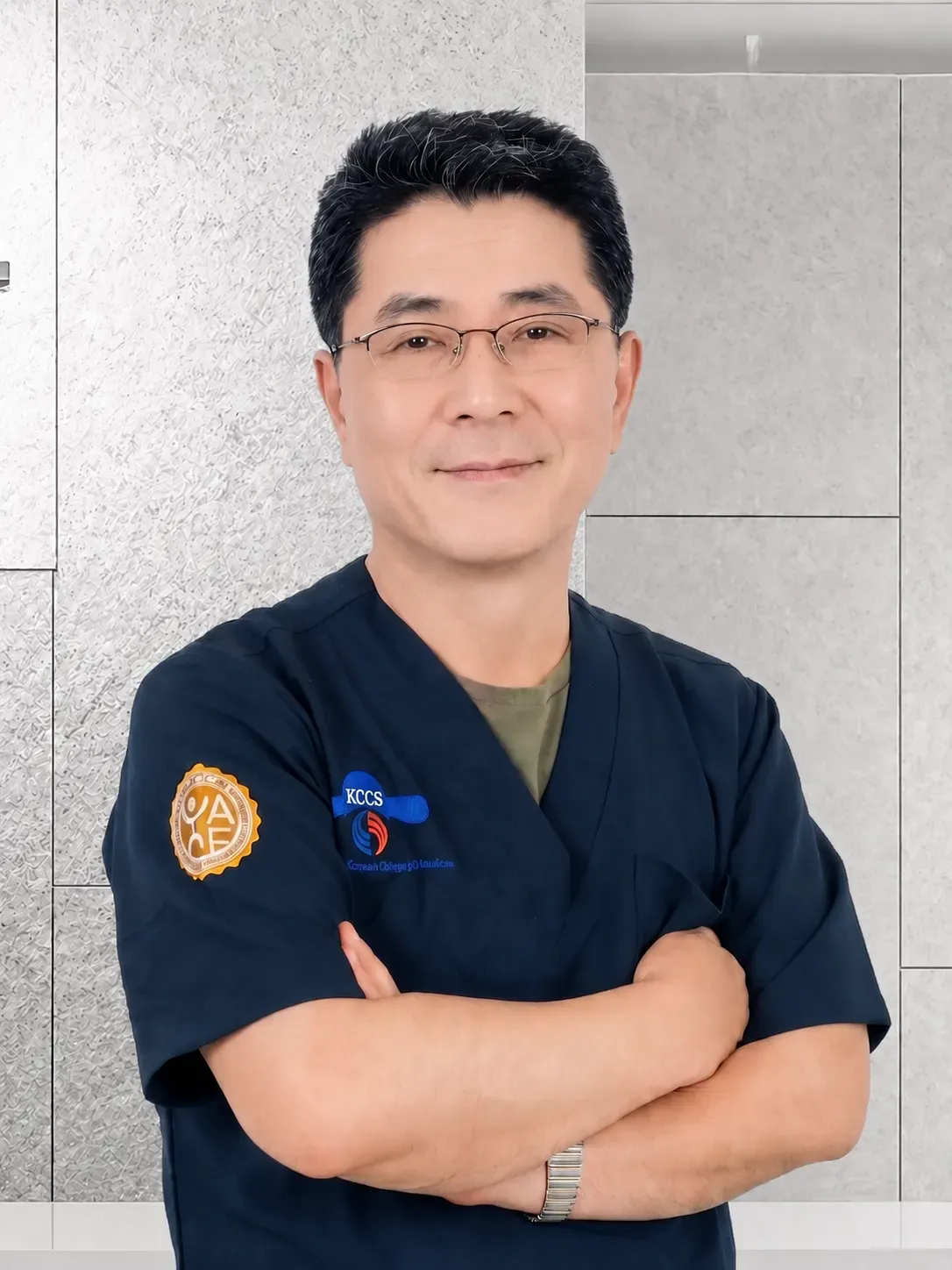
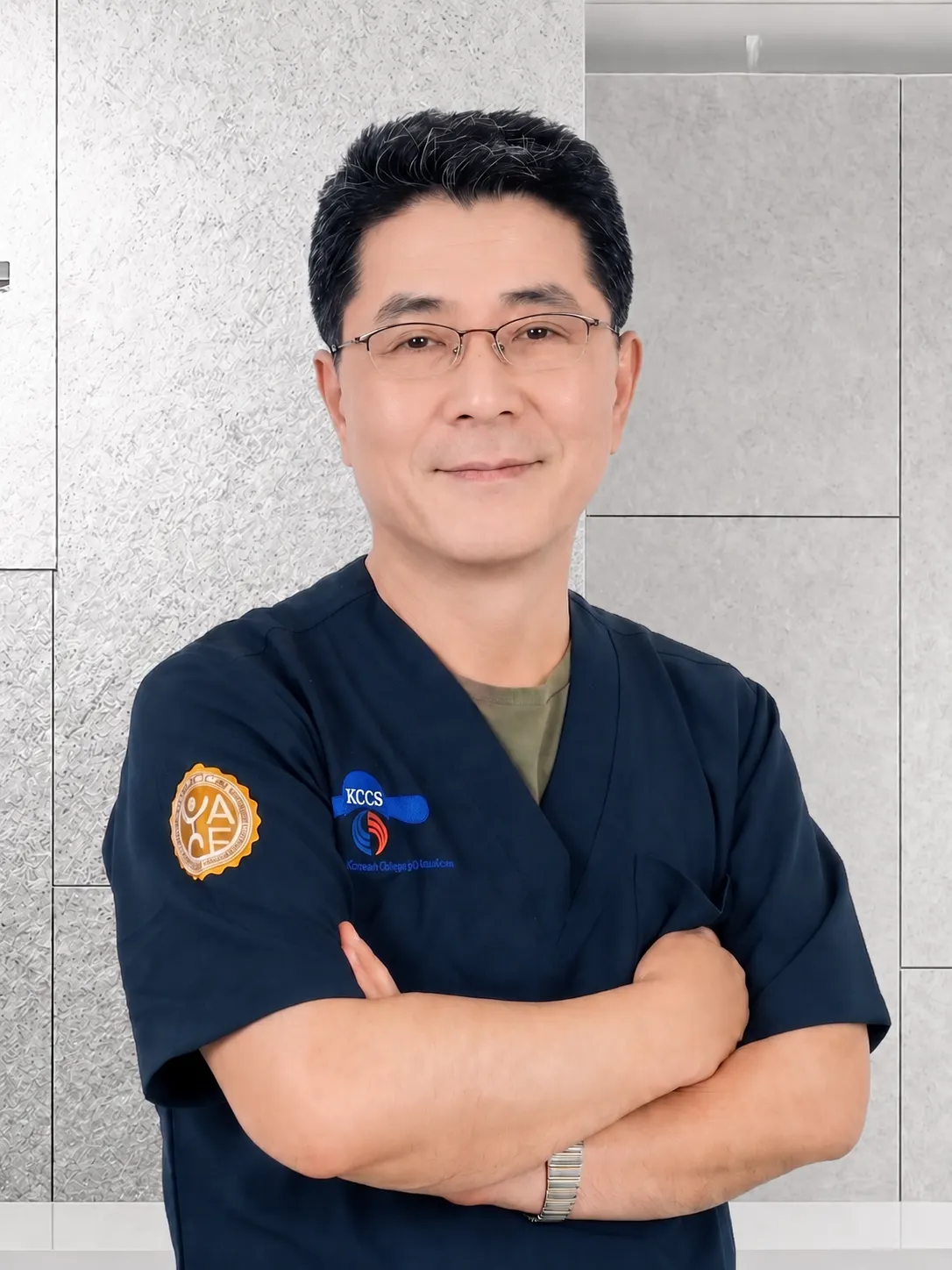
Hello, I'm Dr. Bae Seung-joo, a plastic surgery specialist and Director at Pascal Clinic in Gangnam, Seoul.
I trained in reconstructive plastic surgery at MD Anderson Cancer Center, and my work includes first-time and revision nose surgery. At Pascal, you meet your surgeon at your consultation, and rhinoplasty is quoted after an exam.
I wrote this because many people compare the two countries first and only later ask which operation their nose needs.
Neither country answers this for you. Choose the surgeon who regularly does the operation your nose needs, then a trip with enough days for stitch removal and a follow-up plan at home.
If a low nasal bridge or a revision rhinoplasty is why you're comparing, send clear front and side photos on WhatsApp with your travel dates, and ask which procedure would apply to your nose.
Send your front and side photos on WhatsApp
Get a free consultation in 1 minuteRhinoplasty Korea vs Turkey: start with what your nose needs
A nose job can mean two nearly opposite operations. Raising a low nasal bridge adds height, using an implant or your own tissue. Reducing a hump removes structure and then has to rebuild support around what's left.
A 2014 review of Asian rhinoplasty in Plastic and Reconstructive Surgery Global Open is a useful read if augmentation is your goal.
Pascal publishes two nose treatments: rhinoplasty for a low nasal bridge and revision rhinoplasty. If your main goal is a smaller nose or removing a hump, raise that in your first message, since neither treatment is described that way.
I don't operate in Turkey, so I won't rate clinics there. What I can tell you is the question I'd put to any surgeon in either country: how often do you do this specific operation, on a nose with this skin and this history? Thick skin, for example, can hide fine changes at the tip, and that shapes what you should expect.
What should you compare between the two trips?
For rhinoplasty in Korea vs Turkey, geography comes first. From Europe, Turkey is usually the shorter flight. From Australia or much of Asia, Korea usually is. A shorter trip home also makes a later in-person visit easier.
The CDC's medical tourism guidance raises communication, follow-up care and flying after surgery as issues to plan for. Those are the columns I'd use for a rhinoplasty Korea vs Turkey comparison:
| What to compare | Why it matters | What to ask |
|---|---|---|
| Surgeon | You need experience with your operation | Who examines me, and who operates? |
| Licence and specialty | You can check these yourself | What is the surgeon's specialty? |
| Language | Consent only works if you understand it | Who interprets on exam and surgery day? |
| Flying | Flying soon after surgery has its own risks | When may I fly after this operation? |
| Records | A doctor at home needs the details | Can I have a record of what was done? |
| Follow-up | Problems can appear after you land | Who do I contact in week three? |
How long does rhinoplasty recovery keep you abroad?
For a first low-bridge rhinoplasty at Pascal, stitches come out 5–7 days after surgery, and daily life resumes within 5–7 days. After revision, daily life resumes within 7 days. Fine swelling at the tip keeps settling for months, and the American Society of Plastic Surgeons notes that the nose can take up to a year to fully refine.
So your flight home sits inside the early part of recovery, whichever country you choose. Your nose will still be changing long after you've left.
Say you have a low bridge and thick skin at the tip, you're a teacher with a fixed school break, and you've been weighing rhinoplasty in Korea vs Turkey on flight length alone. I'd want your return booked after stitch removal, with a spare day behind it. I'd also want you to accept that your holiday photos will show a swollen nose. If your break can't hold those days, the better move is a longer break, in either country.
For Seoul, one calendar detail matters. Pascal is open Monday to Friday 10:00–19:00 and Saturday 10:00–17:00, and closed on Sundays and public holidays. Check your exam and stitch-removal days against that before you pay for a flight.
Doctor's note
If you're on a tight budget, I understand why the shortest possible stay looks attractive. I'd cut hotel nights somewhere other than the first week after surgery. A nose that has just had its stitches removed still needs someone nearby who knows what was done to it.
Who handles follow-up after you fly home?
In short, this is where rhinoplasty Korea vs Turkey stops being about the clinic and starts being about you. Before you leave home, find a local ENT or plastic surgeon who is willing to see you after surgery abroad. Then ask your operating surgeon, in writing, how to reach the team if something changes.
Carry the details of your operation with you: whether an implant or your own cartilage was used, what was done to the tip, and which medications you were given. A doctor at home can act much faster with those facts than with a guess.
Risks and side effects to know
Swelling, bruising and a blocked feeling in the nose are common in the first weeks and usually ease with time. The ASPS safety page also lists infection, nosebleeds, numbness, breathing difficulty, anesthesia risks and an appearance you're unhappy with, which can lead to another operation. With implants, inflammation and implant movement are among the reasons people seek revision. Individual results vary.
In general, you should wait or talk it through first if any of these apply:
- Your nose is still growing, or you have an active infection in or near it.
- You're pregnant or breastfeeding.
- You smoke, or take blood thinners or other medicines that affect healing.
- You have a bleeding disorder or an uncontrolled medical condition.
If you develop a fever, spreading redness, pus, heavy bleeding or worsening trouble breathing after you're home, see a local doctor or emergency department promptly. Contact your surgeon as well, and don't wait for a reply before getting seen.
Had surgery before? Add the year and what you remember about the method to your photos on WhatsApp, and ask whether revision is likely to help. That detail is what makes the question answerable.
Send your front and side photos on WhatsApp
Get a free consultation in 1 minuteWhich rhinoplasty Korea vs Turkey review claims hold up?
Forum threads tend to repeat the same few claims, so here's how they read medically.
"The swelling was gone in a week or two." Partly true. Visible bruising and much of the early swelling often fade within weeks. The fine definition at the tip takes far longer, so a review written at two weeks describes an early nose.
"Korea only does Asian noses, Turkey only does hump reductions." Too simple. Each country's reputation reflects common demand, and it tells you nothing about one surgeon's experience with your operation. Ask the surgeon directly.
"My nose looked perfect, so the surgeon is great." One person's nose, at one point in time, on different skin from yours. Use reviews to learn what questions to ask, and leave the medical judgment to an examination.
What decides rhinoplasty cost in Korea?
I won't compare costs between countries, because the quotes you're holding may not cover the same operation. For a nose at Pascal, these are what move the figure:
- First surgery or revision. A revision quote also reflects the condition of the tissue after the earlier operation.
- Implant or your own tissue. Taking cartilage or other tissue adds a step that an implant doesn't.
- Tip work. Whether the tip needs reshaping along with the bridge.
- Anesthesia. The type used for your operation.
- Days in Seoul. Your hotel nights and flights sit outside the surgical quote, so count them in your own total.
Final quotes follow your exam, because the right procedure and extent depend on your anatomy. Pascal's listed prices are in Korean won and exclude VAT, so check that when you compare totals. Message us on WhatsApp with photos and ask what it would cost for your case; we give a range from there.
Some people want to combine surgeries on one trip, which changes both the cost and the days you need. If that's you, read about buried-suture double eyelid surgery in Seoul or planning cheekbone reduction surgery in Korea first. Jaw and cheekbone work is planned by our oral and maxillofacial surgeons, and revision double jaw surgery has its own considerations.
Your next step
If you're still weighing rhinoplasty Korea vs Turkey, one photo of your nose from the side is enough to start, and you can ask before booking anything. Send it on WhatsApp with the single question that's keeping you undecided.
Frequently asked questions
Can Pascal revise a nose operated on in Turkey or elsewhere?
Pascal treats revision cases for noses, including surgery done at another clinic. Send your photos and the details of your previous surgery, and the team will tell you whether a revision is likely to help.
Will I meet the surgeon before the operation?
Yes. You meet your surgeon at your consultation at Pascal. Your surgeon confirms suitability and the plan at an in-person exam, and explains the risks before you decide.
Can I get a rhinoplasty quote in US dollars?
Pascal's price lists are in Korean won. Ask your coordinator for a conversion at the time of booking, because exchange rates change.
What is revision rhinoplasty usually done for?
Revision rhinoplasty corrects problems after a previous nose surgery, such as asymmetry, inflammation or implant movement. Which approach fits is confirmed once the surgeon has examined the tissue.
How do I get to Pascal Clinic from the subway?
Pascal is at 157 Dosan-daero, Sinung Tower Two (6F–8F), in Sinsa-dong, Gangnam-gu. It is a short walk from Sinsa Station, Exit 8, on Line 3 and the Shinbundang Line.
This article is general information, not medical advice. Individual results vary, and surgery carries risks such as bleeding, infection and inflammation. Your surgeon confirms suitability at an in-person exam. Read the medical disclaimer.
Scar reconstruction · Facelift · Rhinoplasty · Eyelid surgery · Skin