With rhinoplasty, how long does it last once the swelling is gone, and how many days do you need in Seoul before the flight home?
The reshaped bridge and tip are meant to hold for the long term, while your nose keeps aging slowly with the rest of your face. Stitches come out 5–7 days after a first rhinoplasty, so plan at least a week in Seoul. The fine swelling in the tip takes months to settle.
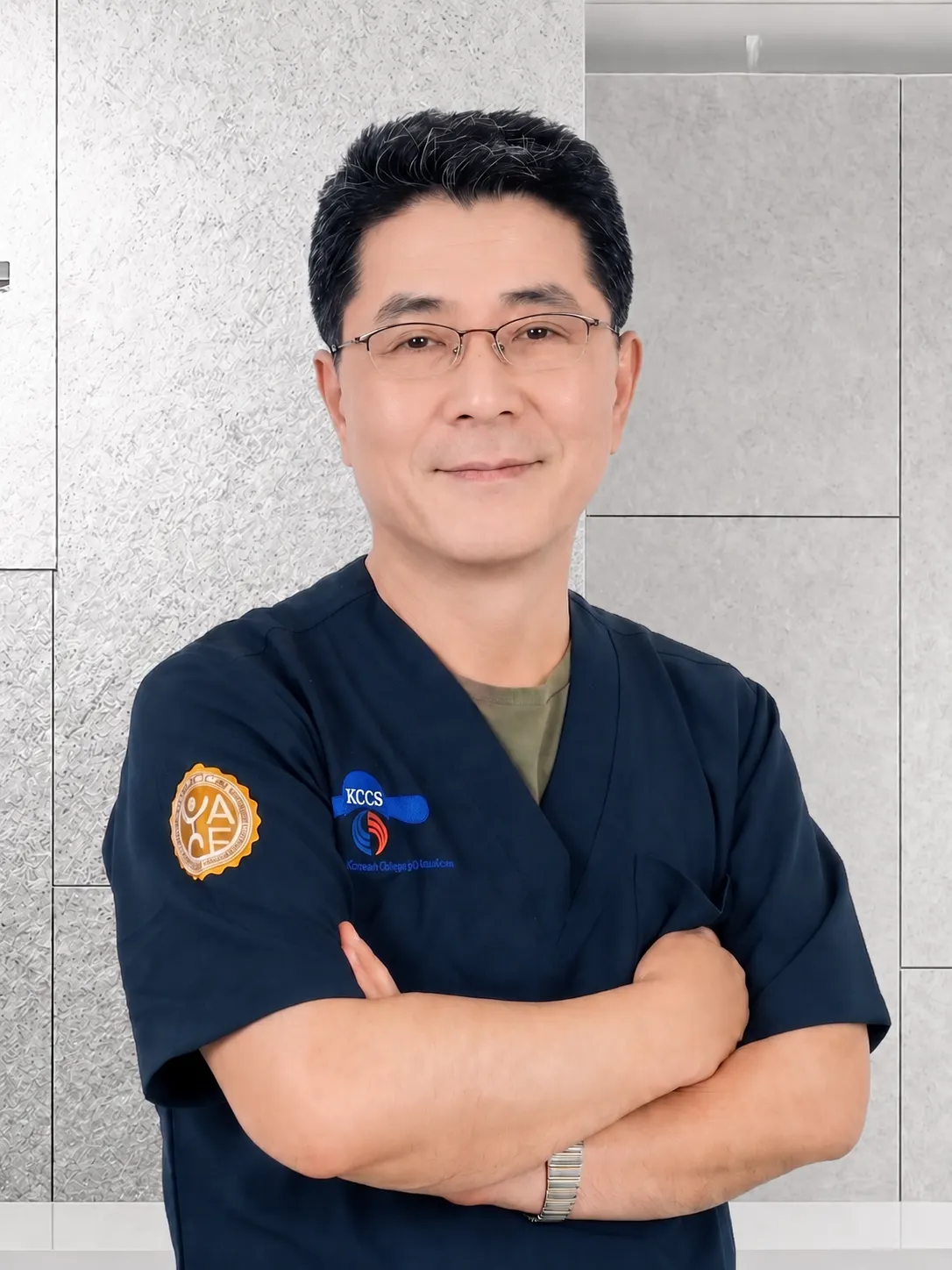
Hello, I'm Dr. Bae Seung-joo, a Director at Pascal Clinic and a plastic surgery specialist with an MD and PhD.
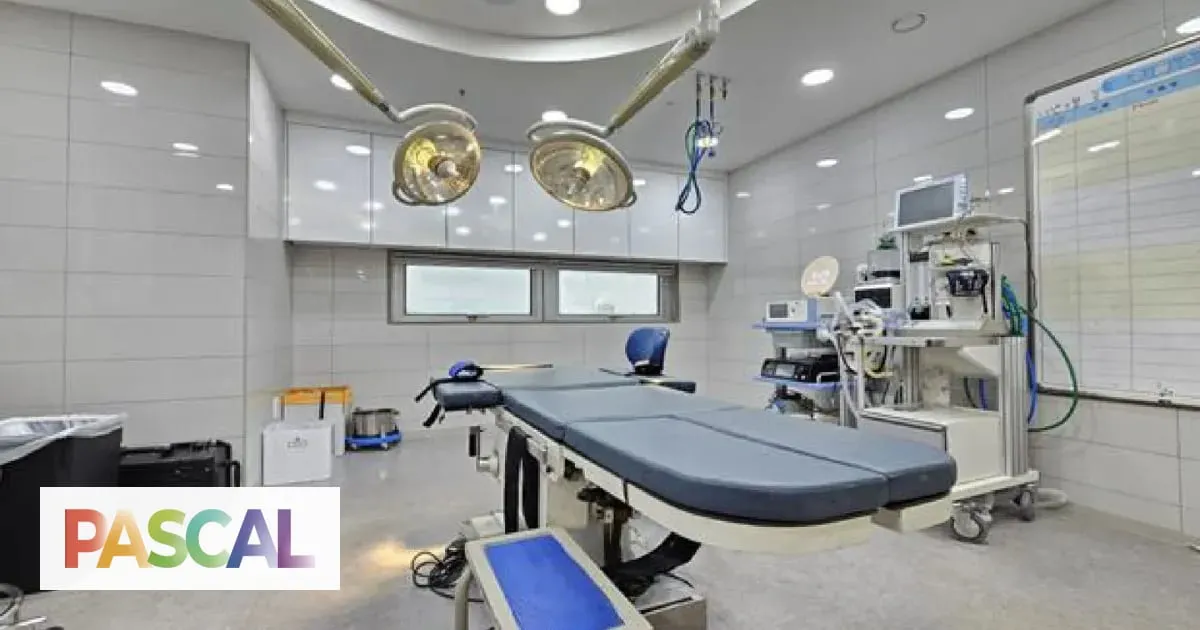
Rhinoplasty is one of my main areas. I trained in reconstructive plastic surgery at MD Anderson Cancer Center in Houston, so I look at what holds a nose up before I look at its shape, and that support is what decides how long a result holds. Our building in Sinsa has its own operating rooms, recovery rooms and a hyperbaric oxygen chamber. A medical interpreter for your language is provided at no extra charge.
If your real question is whether an implant or your own cartilage would last better on your bridge, send a front photo and a side photo on WhatsApp with the dates you can travel. The consultation is free, and a coordinator passes your photos to your surgeon and replies with options.
Send a front and side photo with your travel dates on WhatsApp
Get a free consultation in 1 minuteRhinoplasty: how long does it last once the swelling is gone?
The structural change is meant to be long-term. Cartilage that has been reshaped or added stays where it was fixed once it heals, and bone that has been narrowed stays narrowed. What a nose does not do is stop aging. Over decades the skin thins, the tip can drop slightly and the face around the nose changes, so a nose at 60 will not look exactly as it did at 30, with or without surgery.
So I split the question in two. How long until you see the final shape? Months, and the American Society of Plastic Surgeons says it can take up to a year for the contour to fully refine. How long does that shape hold? For years, unless something underneath moves, becomes inflamed, or was never supported well enough for the skin on top. That second answer depends on which material carries the height.
What an implant and your own tissue each do over the years
For a low nasal bridge, height comes from an implant or from your own tissue. Both can hold for a long time. They fail in different ways, and that difference is the trade you are choosing between.
A solid implant gives a defined line and is not absorbed by the body, so it does not shrink. Its long-term risks are mechanical and biological: it can shift, show through thin skin, or, less often, become inflamed or infected years later. Implant movement and inflammation are two of the problems revision surgery is done to correct.
Your own cartilage is living tissue, so it does not sit in you as a foreign object. It can soften a little or warp as it heals, though, and the amount of cartilage available limits how much height it can give.
Say your skin over the bridge is thin and you want a clearly higher profile. I would be cautious about a tall implant pressing against thin skin, because that is where an implant tends to show or thin the skin further over time. A lower height, your own tissue in the key spots, or a combination may hold up better than the profile you had in mind. If your skin is thick, an implant line is less likely to show, but the tip will hold swelling longer.
Doctor's note
Most people ask me how high their bridge can go. The more useful question is how much the skin over it can carry. A nose lasts when the support underneath matches the skin on top, and when it doesn't, the problems tend to appear years later rather than in the first month.
How many days do you need in Seoul?
Plan at least a week after a first rhinoplasty, and seven days after a revision. Stitches come out 5–7 days after surgery, and daily life usually resumes within that same window. Book your flight for after the stitch visit, never before it.
| When | What is happening | What it means for your trip |
|---|---|---|
| Surgery day | A splint or packing may be in place | Rest at your hotel, no plans |
| Days 1–4 | Swelling and bruising, often heaviest around day 2–3 | Stay in, sleep head-up, short walks |
| Days 5–7 | Stitches out, daily life resumes (7 days after a revision) | The visit your flight is planned around |
| First few weeks | Initial swelling subsides | Back at work, some puffiness still visible |
| Months, up to a year | The tip contour refines | Judge the final shape only now |
The last two rows follow the ASPS recovery guidance, which also notes that swelling can come and go and is often worse in the morning during that first year. If a splint is used, ask at your consultation which day it comes off, and keep that visit inside your stay as well.
Two calendar details catch travelers out. The clinic is closed on Sundays and public holidays and open Saturday until 17:00. Count forward from your surgery date: if day 5–7 lands on a Sunday or a Korean public holiday, your stitch visit shifts, and your flight should shift with it.
Say you have twelve days of leave and surgery falls on a Monday. Days 5–7 run Saturday to Monday, so the stitch visit is Saturday or Monday, and a flight on day 8 or 9 leaves room if your surgeon wants one more look. The clinic is a short walk from Sinsa Station Exit 8 (Line 3 and the Shinbundang Line), and a hotel on one of those lines spares you a long ride across Seoul with a swollen face.
If your leave dates are already fixed, send them on WhatsApp with a side photo taken in daylight, and ask whether your stitch day would fall before the flight you have in mind.
Send a front and side photo with your travel dates on WhatsApp
Get a free consultation in 1 minuteThe tip settles last, and it takes months
The bridge usually looks close to its new line within a few weeks. The tip is slower. It is skin and soft tissue over cartilage, and swelling there drains slowly, more so in thick skin. That is why a tip can look a little round or high for months and then sharpen.
One habit worth having: don't judge your nose in the bathroom mirror at 7 a.m. in month three, because morning swelling is real in the first year. If you want to track it, take a side photo in the same afternoon light every few weeks and watch the trend rather than the day. Heavy glasses resting on the bridge, a knock to the nose and sleeping face-down are the things most worth avoiding early on. Ask your surgeon how many weeks each one applies to in your case.
Risks that can shorten how long a result lasts
Common and temporary: swelling, bruising around the eyes, a blocked feeling when breathing through the nose, and numbness at the tip. For many people most of the bruising fades within the first two weeks, while the tip swelling takes longer, as above.
Less common, and the ones that matter for how long a result lasts: infection, bleeding, poor wound healing, difficulty breathing through the nose, an implant that shifts or shows, cartilage that warps, and a shape you are unhappy with that leads to a second operation. The ASPS rhinoplasty safety page lists these risks, including the possibility of revision surgery. Surgery carries risks such as bleeding, infection and inflammation, and your surgeon explains them before you decide. Individual results vary.
Who should wait: anyone with an active infection or inflamed skin on the nose, anyone pregnant or breastfeeding, and anyone whose previous nose surgery is still settling, since tissue that has not finished healing is harder to read and to operate on. A bleeding problem or blood-thinning medication also needs to be discussed with your own doctor first.
After you fly home: spreading redness, heat, pain that gets worse instead of better, discharge or a fever are reasons to see a doctor at home the same day. Take a note of what was done (implant or cartilage, and which areas) so a local surgeon knows what is inside your nose. For something that is not urgent but worries you, you can send a photo on WhatsApp and ask what to watch for.
When does a nose need a second look?
Revision rhinoplasty corrects problems after a previous nose surgery: asymmetry, inflammation, implant movement, or a line you don't like. After a revision rhinoplasty, how long does it last becomes a harder question, because scar tissue from the first operation limits what can be built and makes healing less predictable. That is also why a revision needs seven days in Seoul rather than five to seven.
If an earlier operation left a visible scar on your face, scar reconstruction is one of my areas too, and our guide to scar revision surgery in Seoul covers the methods. For the nose itself, send photos and the details of your previous surgery, and the team will tell you whether a revision is likely to help. There is more on revision rhinoplasty at Pascal and on rhinoplasty for a low nasal bridge, and my training is listed on my profile page.
Your first message can be short
One front photo, one side photo in daylight, the dates you can be in Seoul, and the question that matters most to you, for example whether your skin suits an implant or your own tissue, or whether the stitch visit fits before your flight. The consultation is free, and deposit and payment method are settled after it, so you can ask about those on WhatsApp as well. When you come, I'll want to feel the skin over your tip and bridge, because its thickness tells me more about how long your result will hold than any photo can.
Frequently asked questions
Can I wear glasses after rhinoplasty?
Glasses sit right on the bridge. Many surgeons ask you to keep heavy frames off the nose for several weeks, using contact lenses or light frames instead. Ask your surgeon for your own timeline, because it depends on what was done to the bridge.
Does a nose implant need replacing after a certain number of years?
There is no expiry date. An implant is replaced or removed when there is a reason, such as moving, showing through the skin or becoming inflamed. If none of those happen, it can stay where it is.
Is it safe to fly home while my nose is still swollen?
Swelling alone is not usually a reason to delay a flight once your stitches are out and your surgeon has checked you. Cabin pressure can make the nose feel more blocked, so drink water, keep your head upright and never book the flight before the stitch visit.
Will my nose change if I gain or lose weight?
Weight changes the cheeks and face around the nose more than the reshaped bridge or tip, so the proportions can look slightly different. The support built during surgery does not change with weight.
Can I get a price for rhinoplasty before I travel?
Rhinoplasty is quoted after an exam, because the price depends on how much surgery your nose needs and whether an implant or your own tissue is used. Send front and side photos on WhatsApp to get a range for your case.
This article is general information, not medical advice. Individual results vary, and surgery carries risks such as bleeding, infection and inflammation. Your surgeon confirms suitability at an in-person exam. Read the medical disclaimer.
Scar reconstruction · Facelift · Rhinoplasty · Eyelid surgery · Skin