Worried that your nose tip surgery Korea cost will grow once a surgeon examines your nose and finds it needs more than you budgeted for?
Read this before you set aside a number for the trip.
You'll know which methods move the quote, what reviews get right and wrong, and how recovery sets your days in Seoul. That helps you tell which plan fits your tip and your budget.
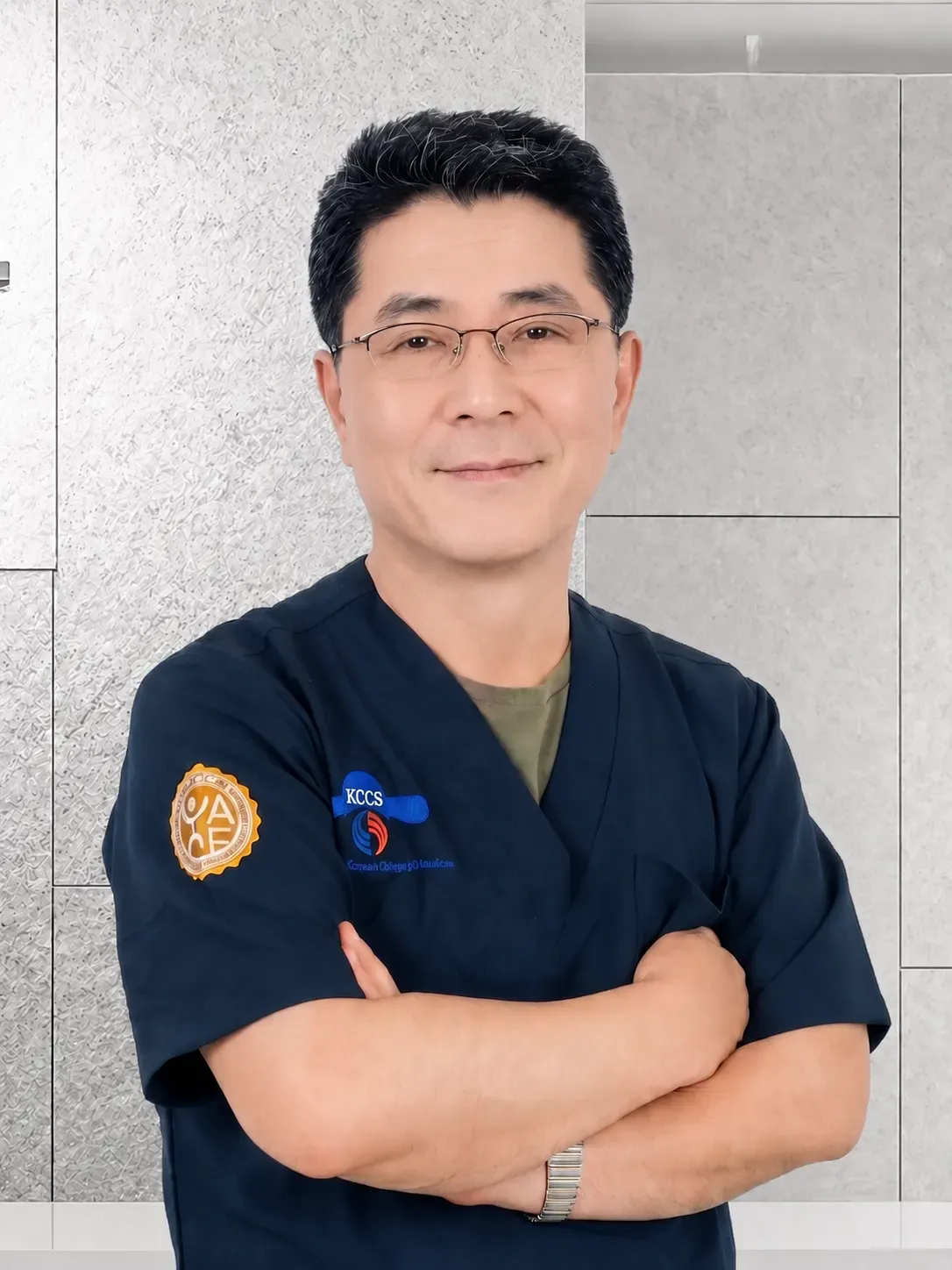
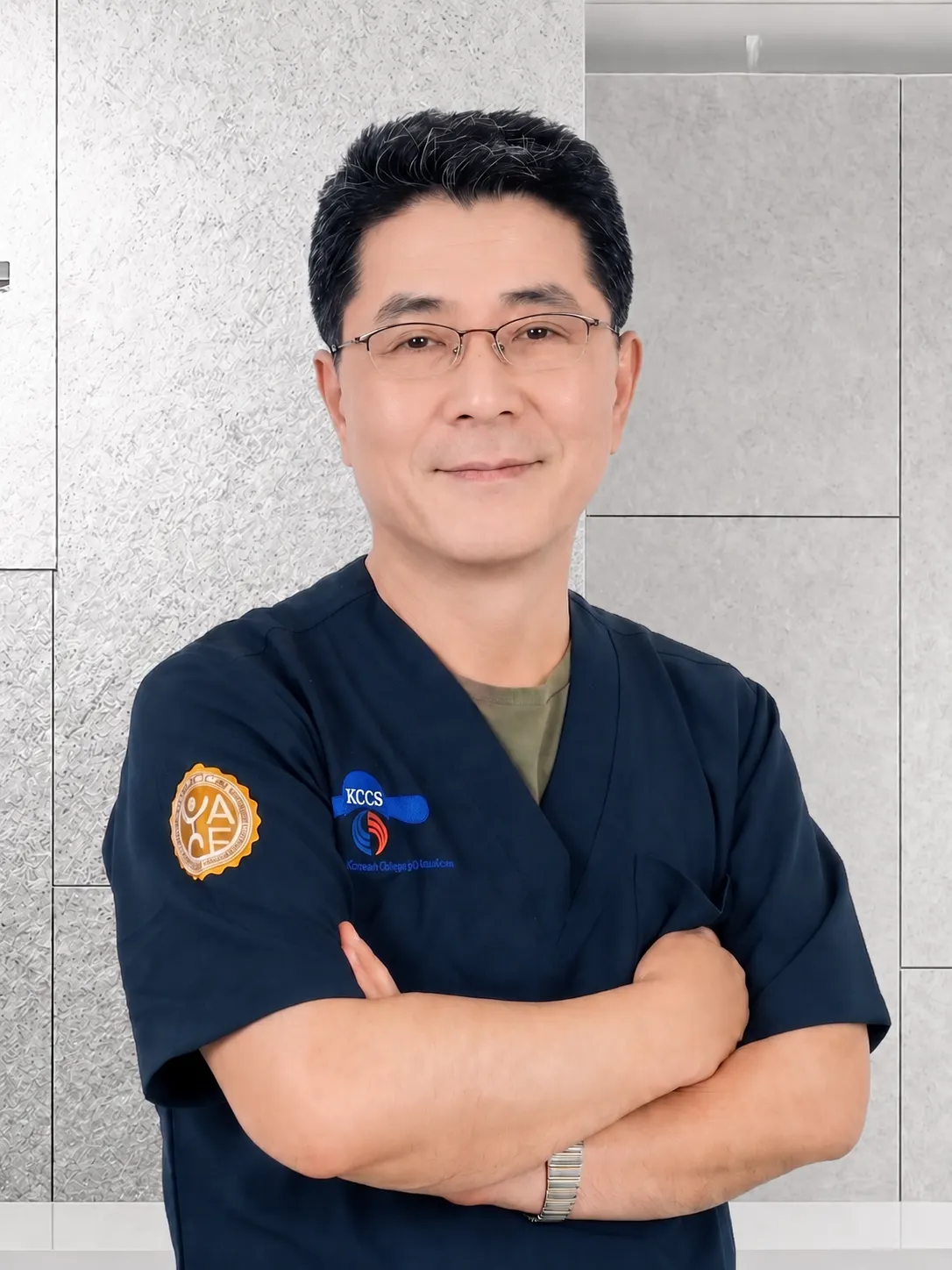
Hello, I'm Dr. Bae Seung-joo, Director at Pascal Clinic in Gangnam.
I'm a plastic surgery specialist with an MD and PhD, and I trained in reconstructive plastic surgery at MD Anderson Cancer Center. Pascal treats first-time and revision noses, and our general price list is published, with rhinoplasty quoted after an exam.
I wrote this because people often budget for "tip surgery" as if it were one fixed operation, then can't tell why two quotes don't match.
There is no single price for it. The quote follows what the surgery must do: first operation or revision, implant or your own cartilage, the tip work, anesthesia and your days in Seoul.
A good first step is a front photo and a side photo on WhatsApp, with one question: "What would tip work alone cost for a nose like mine?"
Send a side photo and ask what your tip plan would cost
Get a free consultation in 1 minuteWhy doesn't tip surgery have one fixed price?
A nose tip is a small structure held up by thin cartilage and covered by skin. A tip plasty reshapes and supports that cartilage. Whether the tip holds comes down to support, skin thickness and healing.
That's why the same request can mean very different operations. Narrowing a tip with strong cartilage and thin skin is a smaller job than lifting a tip with weak cartilage under thick skin. A review of Asian rhinoplasty discusses skin and cartilage as central planning issues.
The question I'd put to you first is what you want the tip to do. Higher, narrower and shorter are different goals, and each asks something different of the structure. A photo shows the shape. It can't show how strong the cartilage feels or how thick the skin is.
What decides nose tip surgery Korea cost?
In short, these are the lines that move the figure for your case:
- First surgery or revision. With revision, the final quote depends on the condition of the tissue after your earlier operation.
- Implant or your own cartilage. Using your own cartilage means a donor site, usually the septum, ear or rib, and that adds to the extent of surgery.
- Tip alone or more. Adding bridge work makes it a larger operation. So does adding another procedure on the same trip, such as buried-suture double eyelid surgery or cheekbone reduction surgery.
- Anesthesia. Ask which type your plan uses and whether it's included in the quote.
- Days in Seoul. Lodging and time off belong in your budget, even though they won't appear on a clinic quote.
- Follow-up. Ask what happens after the stitches come out, and budget for a visit to a doctor at home if you need one.
At Pascal, rhinoplasty is quoted after an exam because the right procedure and its extent come from your anatomy. List prices are in Korean won and exclude 10% VAT, so ask whether any figure you're given includes VAT. For a figure in your own currency, ask your coordinator at the time of booking, because exchange rates change.
On WhatsApp, you can ask what it would cost for your case, with photos attached. Our FAQ says that message gets you a range for procedures quoted after an exam.
Which methods change the quote?
Our low-bridge rhinoplasty raises the bridge and tip using an implant or your own tissue. The other rows below are general surgical knowledge, so ask which of them your surgeon would actually use.
| Method | What it does | Why it moves the quote |
|---|---|---|
| Suture shaping | Reshapes existing tip cartilage | No donor site, but limited under thick skin |
| Cartilage graft | Adds support or definition | Needs a donor site and more operating work |
| Septal extension graft | Braces the tip against the septum | More structural work, sometimes needs rib or ear cartilage |
| Implant with tip work | Raises the bridge along with the tip | Covers two areas, plus the implant itself |
A paper in Archives of Plastic Surgery describes the septal extension graft as a way to control tip projection and shape. It's a bigger step than suture work, so it only makes sense when the tip needs that support.
Doctor's note
When money is tight, I'd look hard at whether the plan actually holds the tip up. A tip that loses support can mean another operation and another trip. If what you've set aside only covers a smaller plan than your nose needs, postponing is a reasonable medical choice.
A budget example: fixed school break, thick skin
Say you're a graduate student with a fixed school break, a rounded tip, thick skin and no earlier surgery. You ask for a slimmer tip. Thick skin blurs fine changes, so I wouldn't expect sutures alone to show much. I'd reason toward added structural support, and that raises the extent of the surgery.
Now say your bridge is low as well. Compare plans on the same terms, because a tip-only quote and a tip-and-bridge quote describe two different operations. Decide which one you actually want before you compare the figures.
The arithmetic changes again if you've had surgery before. Say an earlier operation left a tip that dropped or an implant that moved. That's revision rhinoplasty, and the state of the tissue shapes the plan. A visible mark from the earlier incision is a separate question, and scar revision surgery covers how that's assessed.
If that sounds like your nose, add the year of your surgery and what was used, such as an implant or cartilage, to your side photo. Then ask what that history changes in the cost.
Send a side photo and ask what your tip plan would cost
Get a free consultation in 1 minuteWhat do reviews get right and wrong?
Forum threads about nose tip surgery Korea cost tend to repeat the same few claims:
- "The quote changed after the exam." This can happen for a medical reason, since an exam shows what a photo can't. Ask in advance which findings would change the plan.
- "Tips always drop." Too broad. A tip can lose projection over time when support is weak or the skin is heavy, but this isn't the course for every nose.
- "Swelling is gone in two weeks." Usually wrong for the tip. Bruising fades first, while fine tip swelling keeps settling for months.
The useful question to take from any thread is what was used to support the tip. A figure in a post tells you little unless you know which operation it paid for.
Recovery sets the days you budget for
For a first low-bridge rhinoplasty at Pascal, stitches come out 5–7 days after surgery and daily life resumes within 5–7 days. After revision, daily life resumes within 7 days. If your plan is tip work alone, ask how those days apply to you.
Count forward from your surgery date before you book a room. We're open Monday to Friday 10:00–19:00 and Saturday 10:00–17:00, and closed on Sundays and public holidays, so check that your stitch-removal window lands on an open day.
The tip will still be changing when you fly home. The American Society of Plastic Surgeons' rhinoplasty recovery guide notes that refinement continues well after the first weeks. Don't judge the result, or your money, by how it looks at the airport.
Risks and side effects to know
Swelling, bruising, a stuffy nose and a numb or stiff tip are common in the early period. They usually ease over weeks, with the tip taking longest. Surgery also carries risks such as bleeding, infection and inflammation. The ASPS safety page also lists poor healing, breathing difficulty and the possible need for revision. Your surgeon explains these before you decide.
As general medicine, you'd usually wait or reconsider if you have an active infection in or around the nose, a recent nose operation whose tissue hasn't settled, a bleeding disorder or blood thinners you can't safely pause, or a pregnancy. Tell your surgeon if you smoke, because smoking can slow healing. Your surgeon confirms suitability at an in-person exam. Individual results vary.
If you develop fever, spreading redness, rising pain, discharge or trouble breathing after flying home, see a local doctor promptly. Before you travel, ask who handles problems once you're home and find a doctor there who'd see you. The CDC's medical tourism guidance also advises planning for follow-up care and notes that flying after surgery raises the risk of blood clots.
Your first message can be one photo
To ask about your own nose tip surgery Korea cost, one clear side photo on WhatsApp is enough to begin. Add your travel dates and the question you most want answered. When you come to Sinsa Station Exit 8, you meet your surgeon, who examines your nose and recommends the plan that fits it.
Frequently asked questions
Does tip-only work cost less than a full rhinoplasty?
A smaller operation usually means a smaller extent of surgery, but tip work isn't always small. A donor site for cartilage or structural grafts adds work, so ask for the plan to be itemized before you compare.
Are your prices in US dollars?
Pascal's price lists are in Korean won. Ask your coordinator for a conversion at the time of booking, because exchange rates change.
Does a quote include VAT?
Pascal's published list prices exclude 10% VAT. Ask whether any figure you receive for your case includes it, so your budget matches the final bill.
Can you work on a tip after surgery elsewhere?
Pascal treats revision noses, including asymmetry, inflammation and implant movement. Send your photos and the details of your previous surgery, and the team will tell you whether a revision is likely to help.
How should I get a first opinion before I travel?
Message us on WhatsApp with your goal and clear front and side photos. A coordinator passes them to your surgeon and replies with options, and your surgeon confirms the plan in person.
This article is general information, not medical advice. Individual results vary, and surgery carries risks such as bleeding, infection and inflammation. Your surgeon confirms suitability at an in-person exam. Read the medical disclaimer.
Scar reconstruction · Facelift · Rhinoplasty · Eyelid surgery · Skin