Did a surgeon at home call your tip “difficult,” and now you’re wondering whether the nose tip rhinoplasty Korea is known for is worth that risk for you?
If you’re close to paying a deposit or booking a flight to Seoul, start with the section on who should wait.
The risks a tip operation carries, the methods that hold a tip in place, which review-thread claims hold up, and what moves the cost are all covered here. Together they should tell you whether your nose suits surgery now, later, or not at all.
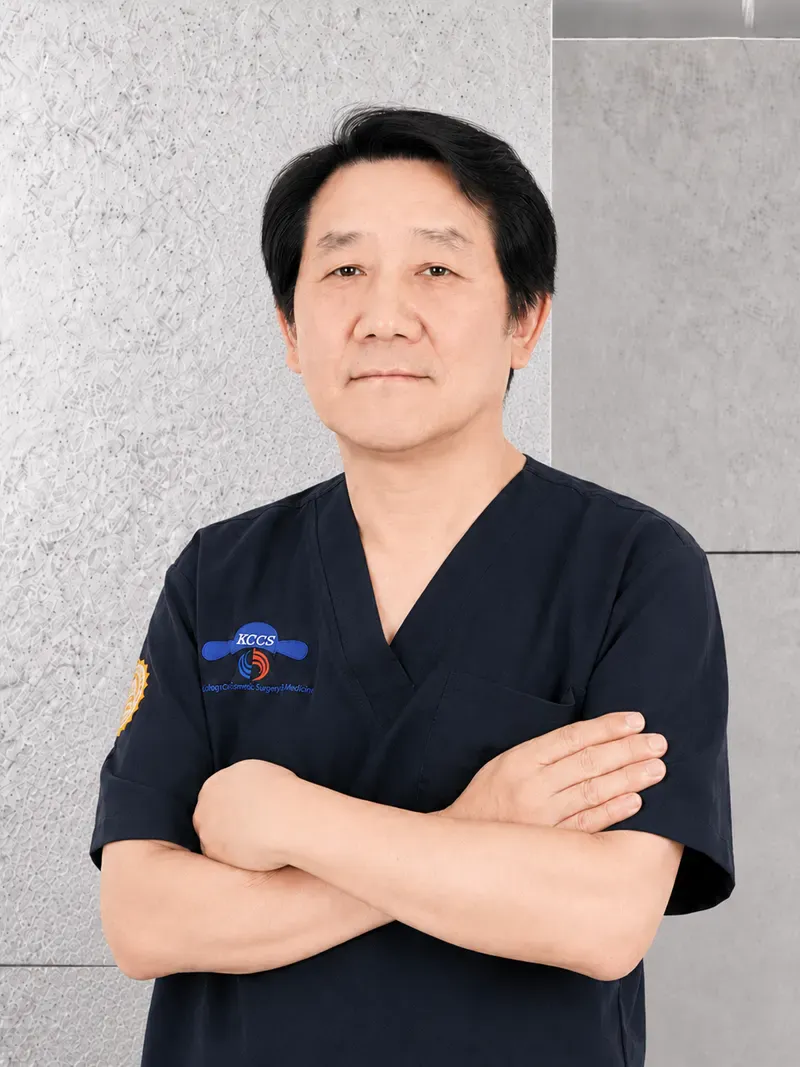
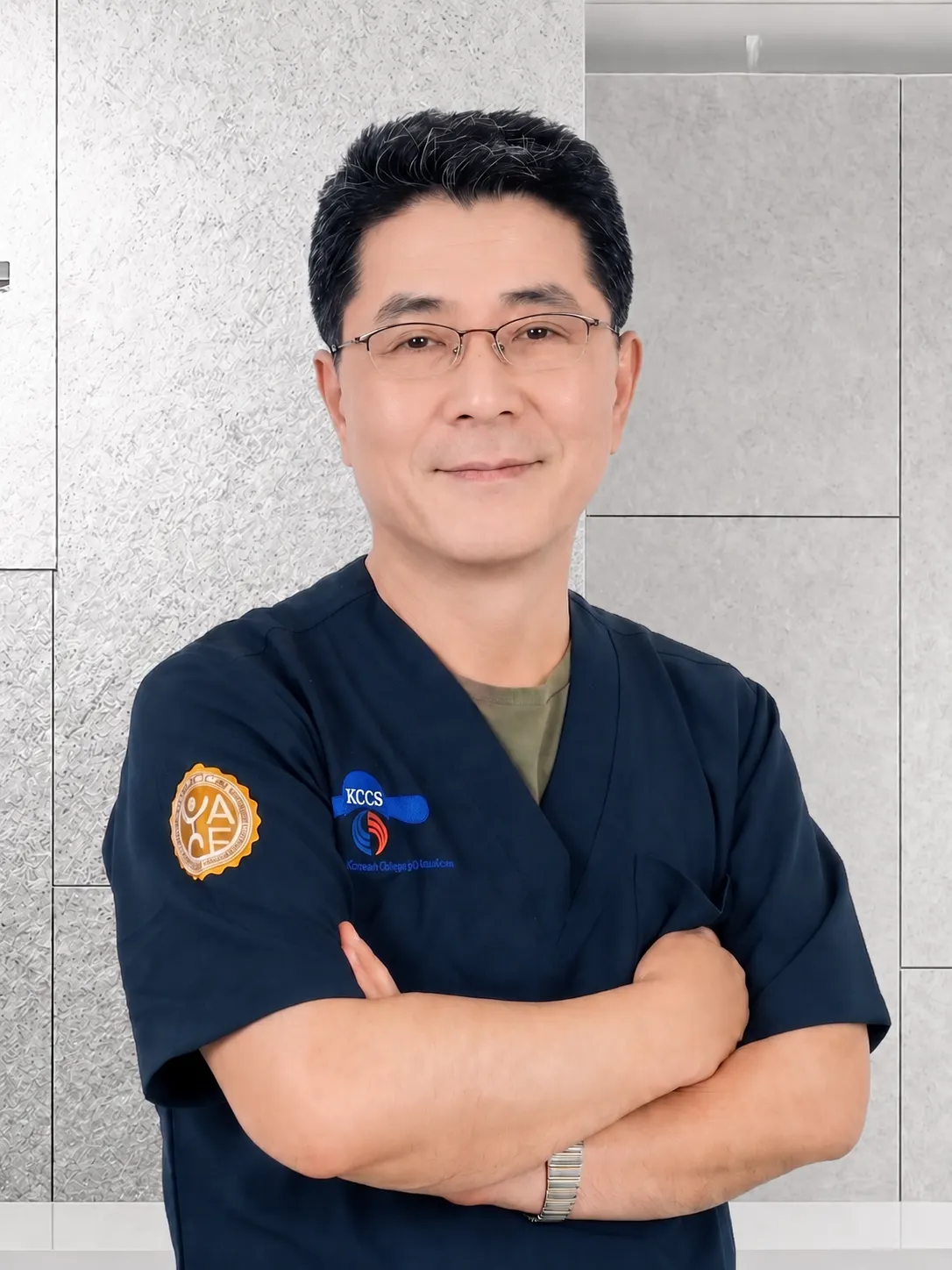
Hello, I’m Dr. Bae Seung-joo, Director at Pascal Clinic in Gangnam, Seoul. I’m a plastic surgery specialist with an MD and PhD, and I trained in reconstructive plastic surgery at MD Anderson Cancer Center in Houston.
Nose surgery is part of my focus, alongside scar reconstruction and facelift. We perform first-time rhinoplasty and revision rhinoplasty, plastic surgery, dermatology and jaw surgery share one building, and our price list is published in Korean won, before 10% VAT.
Many people order a tip as a shape. A tip is a structure that has to stay up under its own skin for years.
Nose tip rhinoplasty can narrow, lift or support a tip, but thick skin, weak or already-used cartilage, inflammation or a recent nose operation limit what it can do. In some of those cases, waiting or doing less is the safer plan.
If a surgeon at home used the word “difficult,” send a daylight side photo of your nose on WhatsApp with what they told you, and ask whether that same limit applies to a tip-only operation.
Send a daylight side photo of your nose on WhatsApp
Get a free consultation in 1 minuteWhat does a nose tip operation actually change?
A tip operation works on three layers: the paired lower cartilages that shape the tip, the support beneath them from the septum, and the skin that drapes over both. A surgeon can reshape and support cartilage. The skin is the one layer nobody can redesign.
That is why skin thickness sets the ceiling. Thin skin shows every detail of the cartilage underneath, including small irregularities. Thick, oily skin hides small changes and holds swelling longer, so a tip refined underneath can still look soft and round for many months.
Breathing comes before looks. The tip and the sidewalls near it help keep the nostrils open when you breathe in. A tip narrowed too far can look neat in a photo and feel blocked on a run, and that is a trade I won’t make for anyone.
Sometimes the width that bothers you sits in the midface, not the nose. In that case a cheekbone reduction for a softer face addresses a different structure, and changing the tip won’t touch it.
When I advise waiting, or not operating at all
Some noses shouldn’t have a tip operation this year, and a few shouldn’t have one at all. These are the situations where I slow down.
- Thick skin with a goal of a sharp, pinched point. Surgery can add support and some definition. It can’t make thick skin behave like thin skin, and packing in more cartilage raises skin tension without the payoff.
- A nose operation in the last several months. Swelling and scar are still changing. The American Society of Plastic Surgeons notes on its rhinoplasty recovery page that the new contour can take up to a year to refine, so judging a tip early risks correcting swelling instead of shape.
- Active inflammation, infection, or an implant that is moving. These come first. Revision rhinoplasty deals with problems like inflammation and implant movement, and any cosmetic tip change waits until that is settled.
- Breathing trouble nobody has examined. A blocked side or a nostril that collapses when you inhale changes the whole plan.
- Smoking, pregnancy, or a bleeding tendency. Smoking slows healing of the thin skin over the tip. If you take blood thinners, talk to your own doctor long before you travel.
- Someone else’s nose as the target. Your cartilage and skin set the limits, and a borrowed photo ignores both.
Say you have thick skin, a short, soft column between the nostrils, and a tip already operated on once with ear cartilage. You want it higher and slimmer before a wedding. My reasoning would start with what cartilage is left, since the ear may be partly used and the septum may still be available. More height means more skin tension, and with thick skin the gain in slimness will be modest. I’d talk about a supported, slightly higher tip, and about whether the wedding leaves enough time for the swelling to settle. If the date is close, my advice would be to move the surgery, not the wedding.
Doctor's note
When the skin over a tip is thick, I’d rather give you a tip that is well supported and a little fuller than promise a sharp point the skin will blur and the cartilage can’t hold. The shape follows from the structure. If your structure can’t carry what you’re hoping for, I want you to hear that before you fly, not after.
Which methods support a tip, and what does each trade?
Most tip work combines reshaping your own cartilage with adding support. The more support a method adds, the firmer the tip usually feels. Which combination fits comes down to how strong your cartilage is and what an earlier surgery left behind.
| Method | What it does | Main trade-off |
|---|---|---|
| Tip suturing | Reshapes existing cartilage with stitches | Limited when cartilage is weak or skin is thick |
| Ear cartilage graft | Adds shape or a little height on the tip | Can show through thin skin |
| Septal extension graft | Sets tip projection and rotation from the septum | Firmer tip; needs enough septum |
| Rib cartilage | Supplies cartilage when septum and ear are used up | Separate donor site; can warp |
A review in Archives of Plastic Surgery describes the septal extension graft as a way to control tip projection and rotation by anchoring support to the septum. That anchoring is also why a tip built this way feels stiffer when you press it.
Our rhinoplasty for a low nasal bridge raises the bridge and tip using an implant or your own tissue, and both first-time and revision rhinoplasty options in Seoul are listed on our site. My view is that implants belong on the bridge. At the tip, steady pressure under thin skin is a known route to thinning and exposure, so your own cartilage is the usual material there.
Risks and side effects to know
Swelling and bruising around the nose and eyes, a stuffy feeling, and a numb or stiff tip are expected after surgery. Bruising usually fades first. Tip swelling is the last to go and can take many months.
The American Society of Plastic Surgeons lists the risks of rhinoplasty, including bleeding, infection, poor wound healing or scarring, difficulty breathing, numbness, skin discoloration, a hole in the septum, and the possibility of revision surgery. A tip can also settle lower than planned if support was not enough. Surgery carries risks such as bleeding, infection and inflammation, and your surgeon explains them before you decide.
The people who should wait are the ones listed above: a recent nose operation, active inflammation, unexamined breathing problems, heavy smoking, pregnancy. Whether a tip operation fits you is confirmed at an in-person exam. Individual results vary.
Once you’re home, a tip that turns red, hot and more painful, a fever, discharge from an incision, or a sudden change in skin color needs a doctor where you live, the same day. Keep a copy of your operation record listing the cartilage source and any implant, so a local surgeon knows what is under the skin.
If you’ve had a nose operation before, include the year and what was used, cartilage or implant, along with front and side photos, and ask whether a revision is likely to help; our team answers that question for eyelid, nose and scar revisions.
Send a daylight side photo of your nose on WhatsApp
Get a free consultation in 1 minuteWhat do reviews of tip surgery in Korea get right?
Review threads repeat four claims about tip work. Some hold up medically and some don’t.
“The tip drops after a year.” Partly true. A tip lifted without enough support can lose some height and rotation as scar contracts and the skin presses down. Support from the septum or a graft is what resists that.
“Swelling is gone in two weeks.” Bruising often is. Tip swelling is not, especially under thick skin, and judging the result at that point leads to needless worry.
“Thick skin means surgery is pointless.” Not quite. Thick skin limits sharpness, but support and modest refinement are still possible, and a supported tip often looks better than an unsupported one.
“A second operation is harder.” Usually true. Scar tissue, used cartilage and a thinner blood supply all make a revision tip more demanding, which is why waiting until the tissue softens matters.
What decides the cost of a tip operation?
The quote for a nose tip rhinoplasty Korea trip is built from a handful of decisions, and most of them are made at the exam.
- First operation or revision. For revision surgery, the final quote follows the condition of the tissue after your earlier operation.
- Where the support comes from. Suturing your own cartilage, an ear graft, a septal extension graft, or more.
- Tip alone or with the bridge. Raising a low bridge at the same time is a larger operation.
- Anesthesia. The type used for your operation.
- Days in Seoul. Stitch removal and follow-up visits set how long you stay.
Rhinoplasty is not on our fixed price list; it is quoted after an exam because the extent of surgery sets the price. Ask on WhatsApp what your case would cost, with one front and one side photo, and you’ll get a range before you book.
Planning a trip around a swelling tip
We’re open Monday to Friday 10:00–19:00 and Saturday 10:00–17:00, closed Sundays and public holidays, a short walk from Sinsa Station Exit 8. Leave a spare day before your flight home instead of flying the morning after a visit.
If you hope to add a second procedure, the longer recovery sets the length of the trip. Someone weighing cheekbone reduction surgery in Korea or a body procedure like arm contouring in Seoul on the same visit should ask how the two recoveries overlap before booking flights.
Before you commit to anything, message us on WhatsApp with one daylight side photo and the single question that worries you most, whether it’s your skin, an earlier operation or your flight date. The consultation is a consultation. At the exam in Sinsa, the first things I’ll check are how thick the skin over your tip is and how firm the septum underneath feels, because those two set what a tip operation can do for you.
Frequently asked questions
Can a tip be refined with stitches alone, without grafts?
Yes, when your own cartilage is firm and the skin is thin to medium. Suturing reshapes what you have without adding material, so the tip stays softer, but it adds little height and can’t hold up a weak tip.
How long should I wait after an earlier nose surgery before tip revision?
Most surgeons wait until swelling has settled and the scar has softened, which can take up to a year. Correcting a tip earlier risks treating swelling. Send the details of your previous surgery with photos so the timing can be discussed.
Will my tip feel stiff after surgery?
Early numbness and stiffness from swelling ease over months.
Can I fix only the tip if my bridge is low too?
You can, but a raised tip on a low bridge can look out of balance. Rhinoplasty for a low nasal bridge raises both the bridge and the tip, using an implant or your own tissue, and the exam shows whether one or both need work.
Is a filler injection a safe substitute for tip surgery?
The FDA warns that filler injected into a blood vessel can block blood flow and damage skin or, rarely, vision, and the nasal tip has a limited blood supply. Filler can’t support a drooping tip the way cartilage does.
This article is general information, not medical advice. Individual results vary, and surgery carries risks such as bleeding, infection and inflammation. Your surgeon confirms suitability at an in-person exam. Read the medical disclaimer.
Scar reconstruction · Facelift · Rhinoplasty · Eyelid surgery · Skin