
For nose thread lift korea plans, the treatment itself usually fits into one visit, but the stay should be sized around the swelling, the tender tip and the small chance of a visible thread in the days after. Forum posts tend to describe the hour in the chair and the first selfie. They rarely mention what happens if the tip turns red after the flight home, when the clinic is no longer a short walk away.
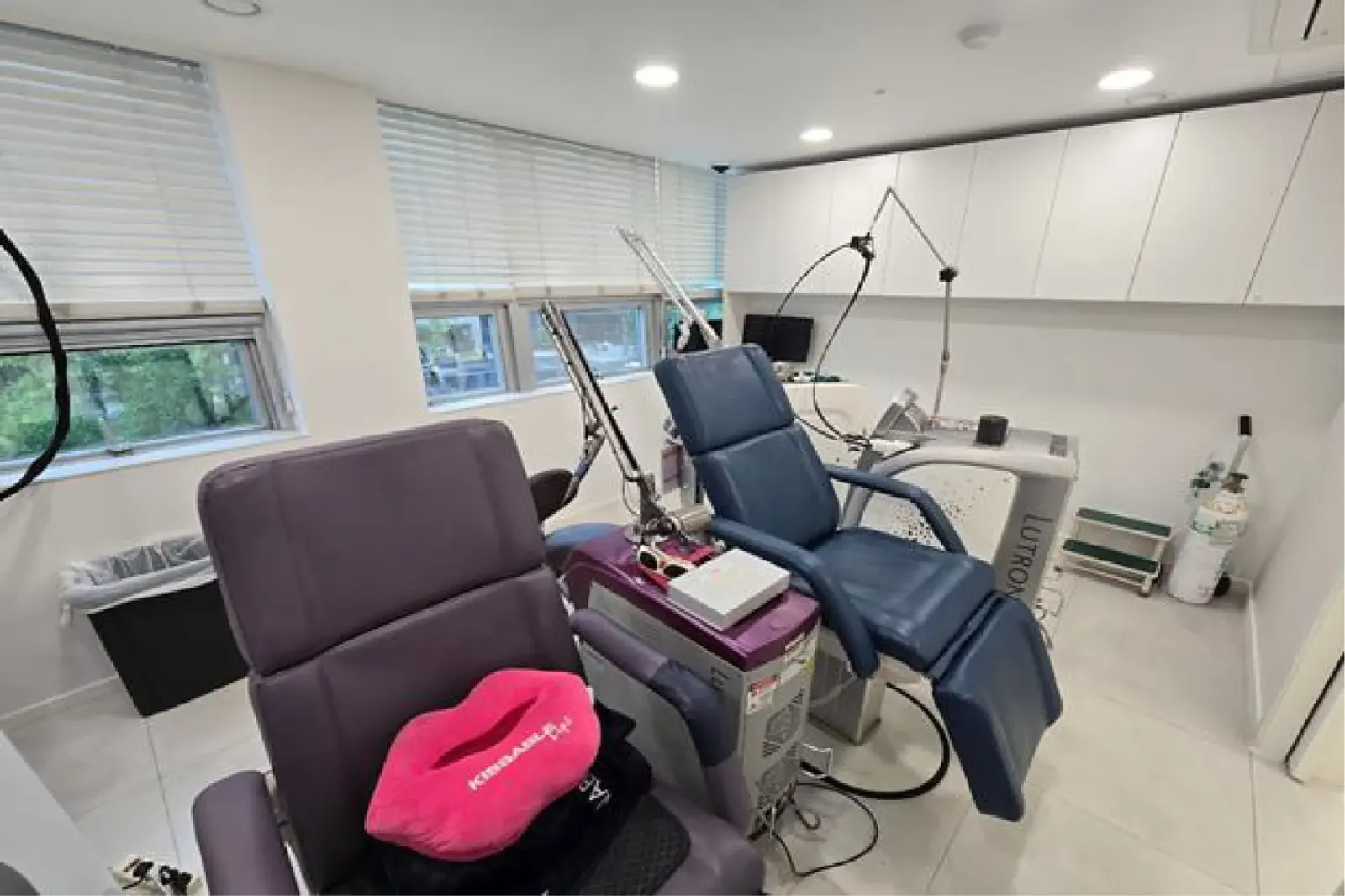
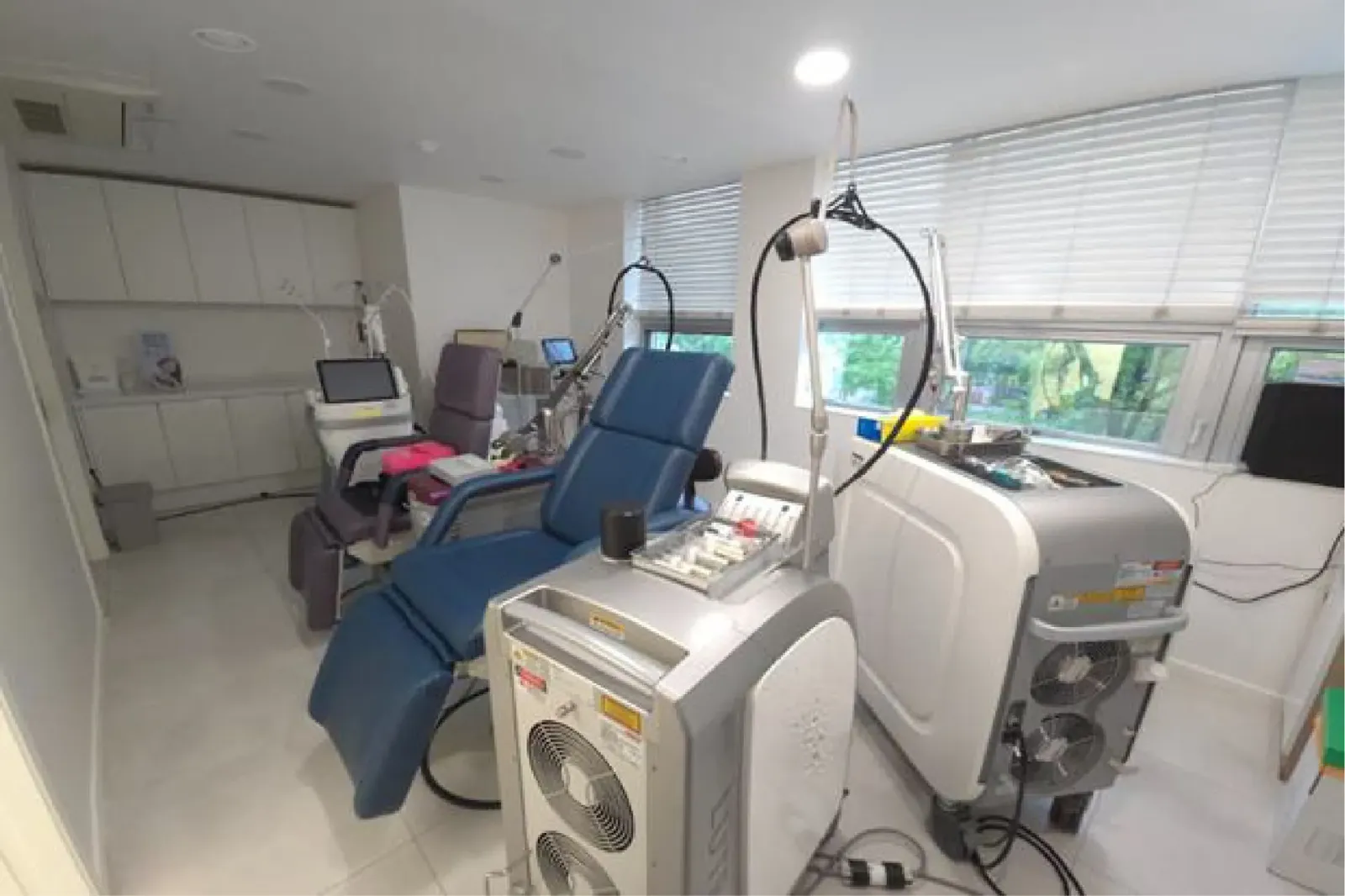
At Pascal Clinic in Sinsa-dong, plastic surgery, dermatology and jaw surgery share one building across three floors (6F–8F).
If you want a first read before you book flights, send clear front and side photos of your nose on WhatsApp, plus the dates you're considering. A coordinator passes them to your surgeon and replies with the options that fit what the photos show, so you know which recovery you are actually planning around.
Send front and side photos of your nose on WhatsApp
Get a free consultation in 1 minuteWhat does a nose thread lift actually do?
A nose thread lift places dissolving threads, usually polydioxanone (the PDO thread lift you see in ads), under the skin of the nose bridge and tip through needle entry points, with no incision. Barbed threads grip the soft tissue and add modest height and definition while they last.
Along the bridge, threads lie side by side like a thin scaffold. That is why a flat nose or a low nose bridge is the classic request. At the tip, threads are angled to push it forward and slightly up. Searches for a Hiko nose, a nose thread lift seoul or a korean nose thread lift all describe this same mechanism.
Risks and side effects to know
What threads cannot do matters as much. They do not reshape the cartilage of a bulbous nose, shave the hump of a hooked nose or hawk nose, or narrow wide alar bases. Those changes belong to a nose job. The American Society of Plastic Surgeons describes thread lifts as offering results without the downtime or scarring of a surgical facelift. That lighter recovery is also the reason the change is smaller.
The first week after a thread lift nose treatment, stage by stage
Most visible recovery happens early: swelling across the bridge, sometimes bruising toward the inner corners of the eyes, and a sore spot where the needle entered near the tip. The table maps commonly reported stages onto a trip. It describes what is typical, which is different from a forecast for your nose.
| Stage | What people commonly notice | What it means for the trip |
|---|---|---|
| Same evening | Tightness, swelling, a tender tip | Hotel night; sleep on your back with your head raised |
| Next morning | Swelling often looks fullest; bruising may surface | Check the tip in daylight for redness or a thread end |
| Rest of the first week | Swelling keeps settling | The stretch when you still want the clinic within reach |
| Following weeks | Threads slowly absorb; the tip can feel uneven | You're home: know which signs are a reason to message |
Two habits trip people up. Heavy glasses resting on a freshly threaded bridge press on the threads, so many surgeons suggest lighter frames or contact lenses for a while. The other is the face-down nap, on the plane or in the hotel, which pushes on the tip. Both make an uneven bridge more likely.
How many nights should you book in Seoul?
Book enough nights that the most swollen days, and the window when early problems tend to show, pass while you are still in Seoul. For most travellers that means flying out several days after treatment, with at least one weekday in between when the clinic is open.
When people plan a nose thread lift korea trip, clinic hours shape the calendar more than they expect. Pascal is open Monday to Friday 10:00–19:00 and Saturday 10:00–17:00, and closed on Sundays and public holidays. A Saturday treatment followed by a Sunday flight leaves no open day to come back if the tip turns red. A treatment early in the week leaves weekdays after it. Check Korean public holidays against your dates as well.
The clinic is at 157 Dosan-daero, a short walk from Sinsa Station (Line 3 · Shinbundang Line), Exit 8. A hotel near either line keeps a return visit short.
If the trip has more than one purpose, the timing changes. Non-surgical lifting such as Ultherapy and Ultherapy Prime has its own recovery, and if you're also considering Mira Dry for underarm sweating, ask how the two fit together. Bone work is a different scale: the cheekbone reduction surgery travel guide shows how much longer cheekbone and jaw procedures keep you in Korea.
Threads, filler or a nose job: which fits your trip?
Threads and nose filler both add height without an incision and keep the stay short. A nose job changes bone and cartilage and keeps you in Seoul longest. Choose by what your nose needs first, then plan the trip around that choice.
| Option | What it can change | Effect on trip length |
|---|---|---|
| Nose threads | Modest bridge height, tip lift | Short stay plus a buffer for early problems |
| Nose filler | Volume on a flat bridge | Usually short; vascular risk needs fast access to the injector |
| Rhinoplasty | Bridge implant, bulbous tip, hump, upturned or droopy tip | Longest stay; splint, stitches, slower swelling |
Filler carries its own serious risk. The U.S. Food and Drug Administration warns that filler injected into a blood vessel can block blood flow, with skin damage or vision problems as possible results. The nose is one of the areas where that matters. Rhinoplasty is surgery, and the ASPS describes a recovery with a splint and swelling that takes months to settle fully.
If a surgeon at home told you threads wouldn't give enough height, or that your tip skin is too thick to show a change, that's a measurement about tissue. A thick-skinned, bulbous tip often hides what threads do. A very low bridge may need an implant to reach the height people picture from photos. That option on Pascal's menu is rhinoplasty for a low nasal bridge.
Before threads, the questions a surgeon generally works through are physical. How thick is the skin over the tip when pinched? How far does the tip move when pressed? How high does the bridge sit at the level of the inner eye corners? Is anything already under the skin? If you are also thinking about eyelids, the buried-suture double eyelid guide covers eye-area swelling, which overlaps with bruising from the bridge.
Doctor's note
I researched and taught anatomy before I moved into plastic surgery, and the nose is where that background earns its keep. The tip is thin skin draped over small cartilages, with little soft tissue to hide a thread or contain an infection. The bridge is more forgiving.
What can go wrong after you fly home?
The problems reported after nose threads are infection, a thread end showing or poking out (often at the tip), dimpling or unevenness along the bridge, and later, firm lumps where threads did not absorb cleanly. Left alone, an infection can damage the skin over it.
For the nose specifically, the evidence is thinner. PubMed lists case reports and small series on skin infection after nose threads and on benign lumps appearing as a delayed complication.
A simple way to sort symptoms once you're home:
- Expected: mild swelling, faint bruising, tenderness at the tip when touched, a firm feel along the bridge.
- Message the clinic: one side clearly higher, a dimple that doesn't settle, a thread end you can see or feel.
- See a doctor at home the same day: spreading redness, heat, rising pain, pus, fever, or skin over the tip turning pale or dusky.
The CDC's medical tourism guidance advises carrying copies of your records home and arranging follow-up care before you travel. Ask for a written note of what was placed and where, so a doctor at home knows what they are looking at. A thread that extrudes can leave a small mark at the exit point; how marks like that are assessed is covered in the scar revision guide.
Individual results vary. Any procedure carries risks such as bleeding, infection and inflammation, and your surgeon confirms suitability at an in-person exam.
If something is already in your nose, such as filler, an implant or earlier threads, send photos on WhatsApp with what was done and roughly when. Pascal treats revision cases for noses, and the team will tell you whether a revision is likely to help.
Send front and side photos of your nose on WhatsApp
Get a free consultation in 1 minuteWhen threads are the wrong tool for your nose
Threads are the wrong tool when the change you want is structural, or when the nose has a history. These situations usually point elsewhere:
- A bulbous nose with thick tip skin: threads rarely show through enough to change the shape.
- A hooked or hawk nose: threads add height, and they cannot remove a hump.
- A nose with an implant, old filler or a past infection: more material under thin skin means more that can go wrong.
- Active acne, a skin infection or a recent cold sore on or near the nose.
- An expectation of a large, lasting change from one session, when the threads are absorbable and the lift fades as they dissolve.
- A trip with no open clinic day between treatment and your flight.
The same logic runs through the building. In arm contouring for loose skin and in cheekbone reduction for a softer face, the procedure is chosen after the tissue is examined.
What to bring to your consultation in Seoul
A short file saves time on the day and makes the trip easier to plan:
- Photos of your nose from the front, both sides and below, in daylight.
- Records of anything done to your nose before: product, date and the country where it was done.
- A list of medicines and supplements, especially blood thinners.
- Your flight times, so treatment can sit early enough in the trip.
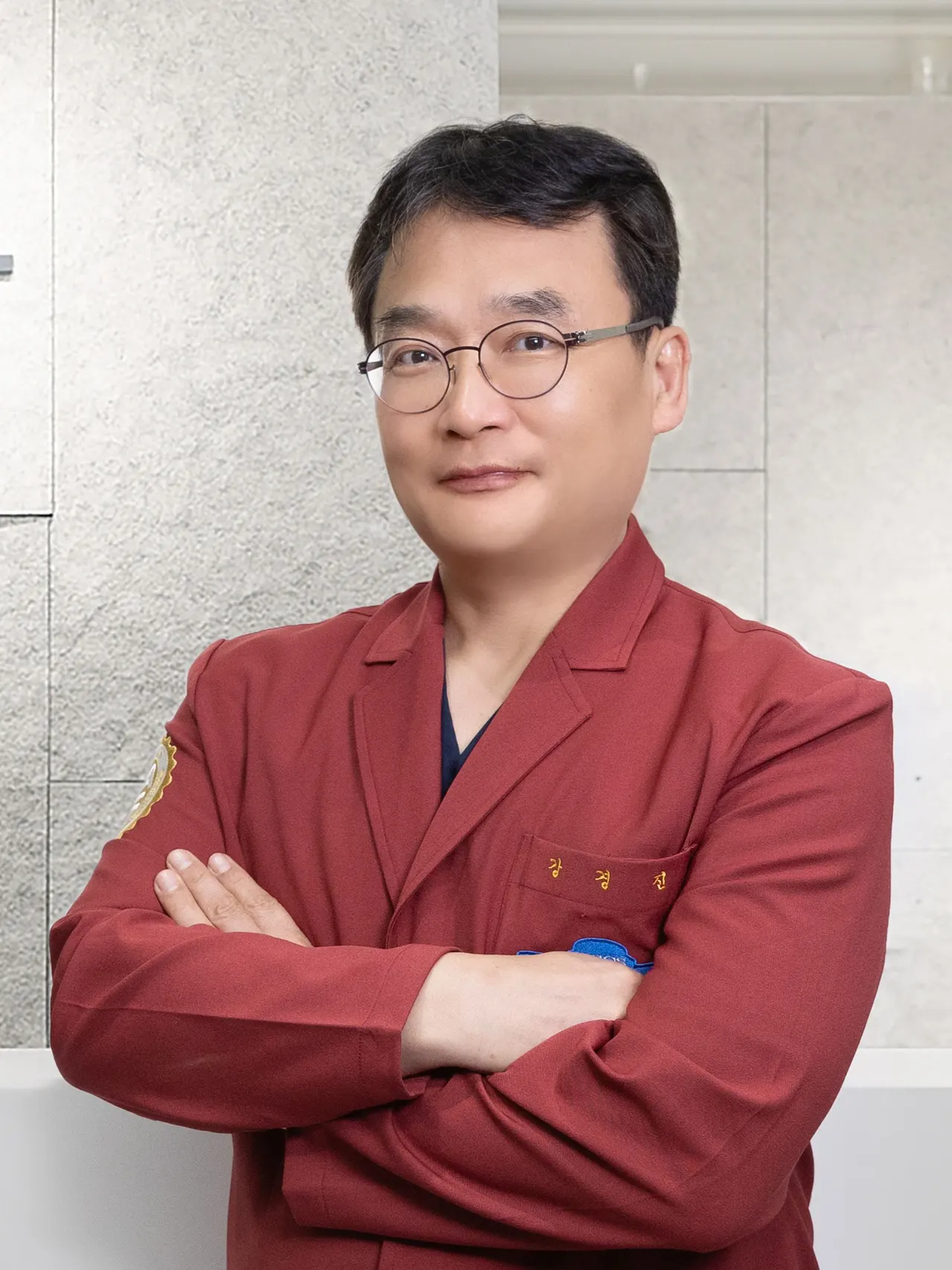
Lifting and fillers are among the focus areas of Dr. Kang Kyoungjin, who holds an MD and a PhD in Anatomy; his doctor profile lists his positions.
The quickest way to settle how many nights to book is to start from your own nose. Send front and side photos and your planned travel dates on WhatsApp. A coordinator passes them to your surgeon and replies with the options that fit, so you can pick flights that leave an open weekday after treatment.
Frequently asked questions
Can I fly home the day after a nose thread lift?
Flying itself is rarely the issue for threads. The concern is distance: if redness or a visible thread appears in the first days, you want the clinic within reach. Leaving at least one open clinic weekday between treatment and your flight is the more practical rule.
Can I wear glasses after threads in the nose?
Heavy frames rest exactly where bridge threads sit, so many surgeons suggest lighter frames or contact lenses for a while after treatment. Ask your surgeon how long that applies to your nose before you pack.
Is a nose thread lift the same as a nose job?
No. Threads add modest height and tip lift through needle entry points and dissolve over time. A nose job (rhinoplasty) is surgery that changes bone and cartilage, for example a hump, a bulbous tip or a low bridge that needs an implant.
How long do nose threads last?
The threads Pascal lists for thread lifting are absorbable, so the lift fades as they dissolve over months. How long the visible change holds differs between people, which is worth weighing against the travel each session takes.
I already have nose filler. Can I still get threads?
It needs a closer look, because more material under thin nasal skin raises the stakes if infection occurs. Send photos on WhatsApp with what was injected and when; Pascal treats revision cases for noses, and the team will tell you whether a revision is likely to help.
This article is general information, not medical advice. Individual results vary, and surgery carries risks such as bleeding, infection and inflammation. Your surgeon confirms suitability at an in-person exam. Read the medical disclaimer.
Eyelid surgery · Fat grafting · Lifting · Fillers · Skin