Has your crease gone uneven, and is a Korea upper eyelid revision procedure steps video the only thing you can find to show what a second operation involves?
Read this before you press play on one more clip.
You'll know the steps in order, what decides the cost, which review claims hold up and what recovery looks like. That should help you judge whether revision fits your eyelid and your budget.
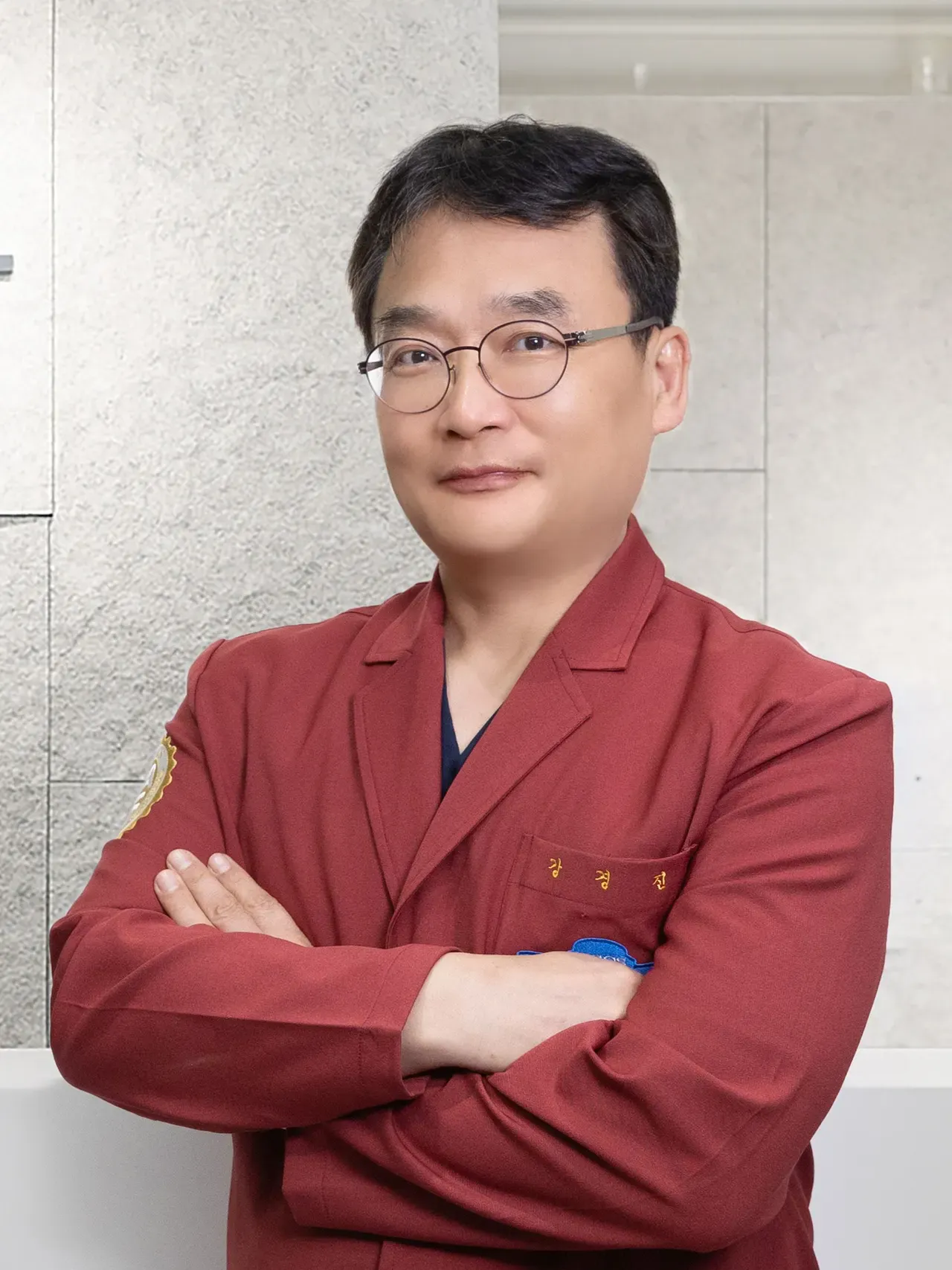
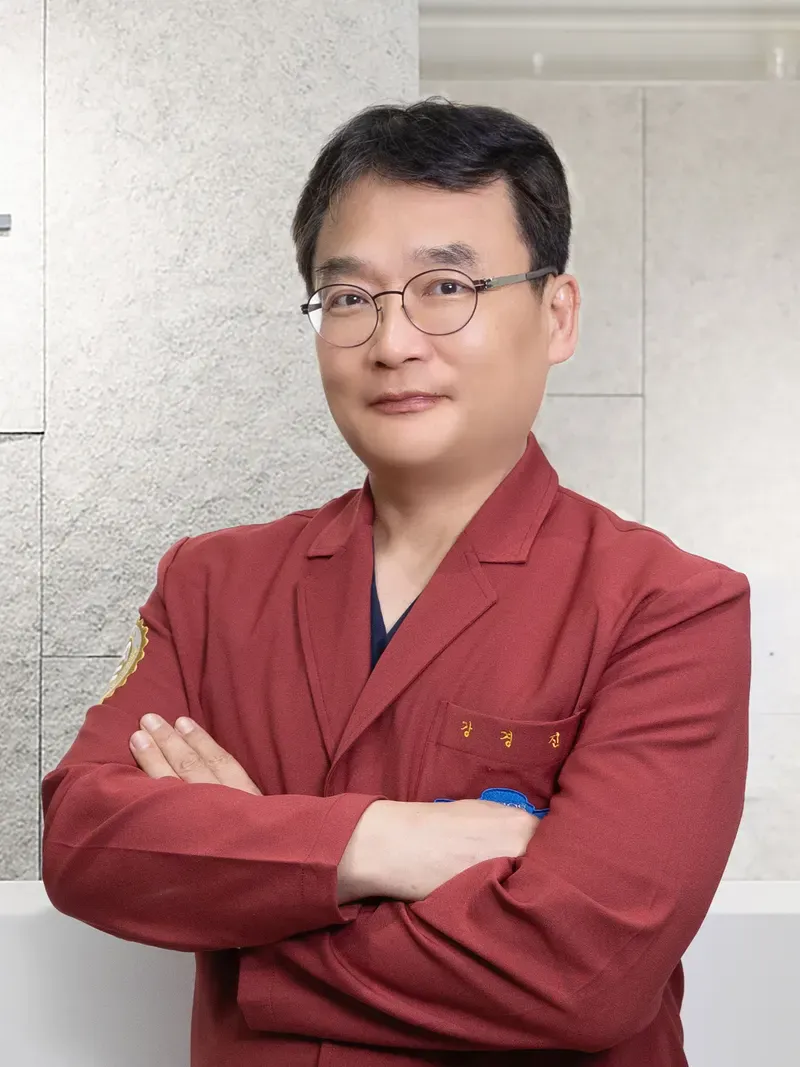
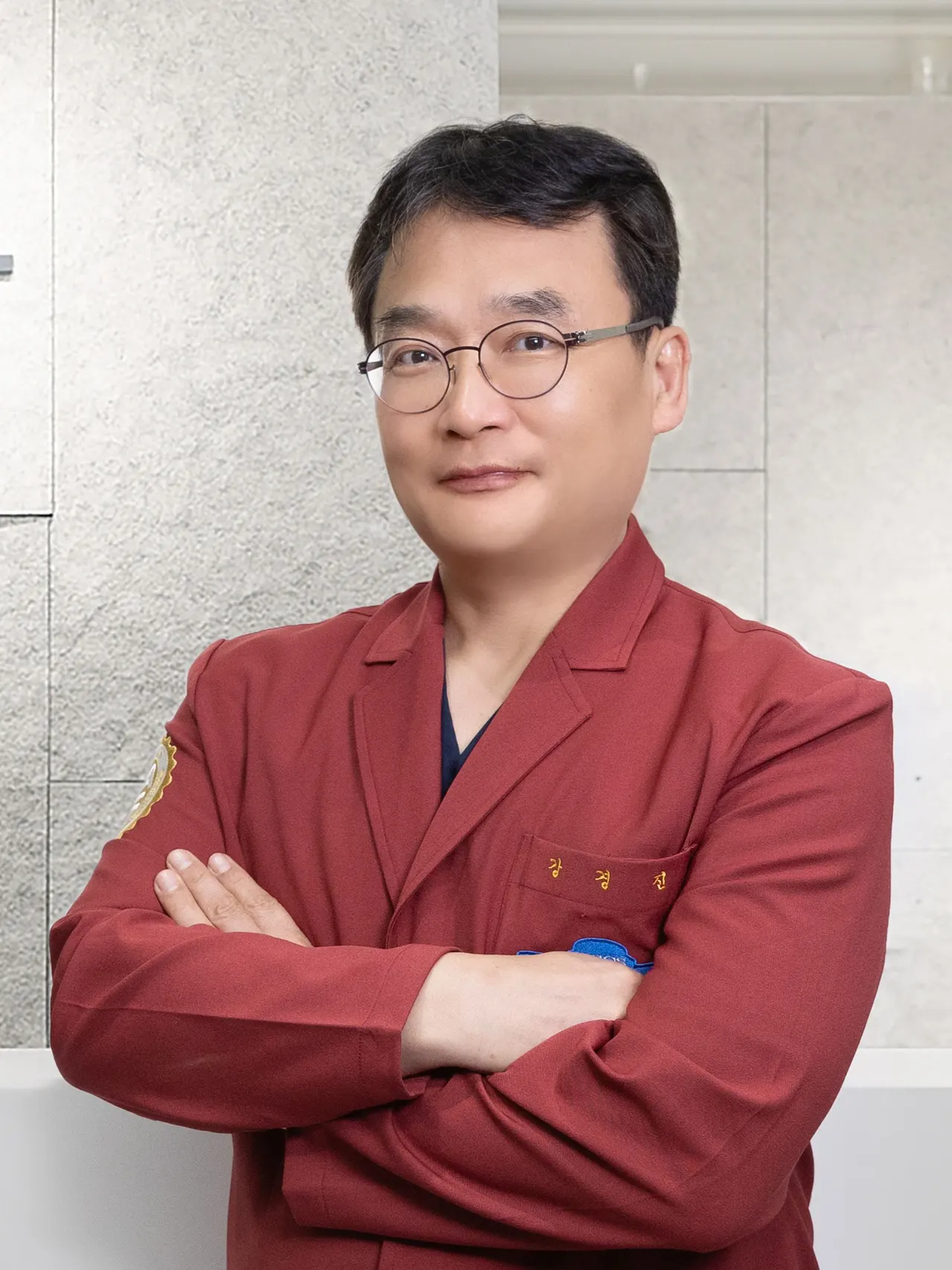
Hello, I'm Dr. Kang Kyoungjin, Representative Director at Pascal Clinic in Seoul. I hold a PhD in anatomy and I'm a former professor of the subject.
Pascal treats revision cases for eyelids, noses and scars, and upper eyelid revision is one of the operations on my page. Our price list is published on the site, and you meet your surgeon at your consultation.
I'm writing this because a clip of someone else's eyelid can't show what decides a revision: the state of your own tissue after the first operation.
Upper eyelid revision corrects a crease that has loosened, eyelids that are uneven, or an eye that opens weakly. The surgeon usually goes back in, frees the scar tissue, resets the crease and treats the lifting muscle if it needs it.
If you'd like a first read on your own lids, send clear front and side photos on WhatsApp with the year of your first surgery, and ask whether a revision is likely to help.
Send your front and side photos on WhatsApp and ask if revision could help
Get a free consultation in 1 minuteWhat a Korea upper eyelid revision procedure steps video leaves out
You won't find surgery footage on this page.
Words may serve you better here. A clip shows hands and an incision. It can't show how much skin you have left, how firm the scar is, or how far your lid rises when you look up. I see an eyelid as a moving mechanism, so a still or edited view leaves out the part I care about first.
The question I would want answered first is about movement. Does the lid open fully, or does the brow do part of the work? A low crease and a weak lift can look alike in a mirror, and they call for different operations.
The usual steps of an upper eyelid revision
In short, this is the general sequence. The order and the extent change with what the first operation left behind.
- Marking. The new crease position is drawn, usually with your eyes open and closed, because the lid is judged in motion.
- Your surgeon recommends one for your case.
- Incision. The upper lid is reached through a cut in the crease. In a revision the old scar often guides where this goes.
- Releasing scar tissue. Adhesions from the first surgery are freed so the layers can move separately again. If your first operation used thread, as in the buried-suture method, any leftover suture may be found here.
- Checking the lifting muscle and fat. If the eye opens weakly, the muscle may be adjusted. Fat may be moved to soften a deep or stuck area.
- Setting the crease. The skin is fixed to the deeper layer at the new height, and the two sides are compared.
- Closing. The incision is closed with sutures or skin glue. ASPS says sutures come out within one week.
Step 4 is where a revision parts from a first operation. Scar tissue doesn't behave like untouched tissue, and how scars heal and flatten sets real limits on any line a surgeon draws. A revision can make a scar flatter, narrower or less visible. It won't erase it.
Who does it suit, and who should wait?
Revision generally suits you if your crease has loosened, the two lids sit at different heights, a line feels too high, or your eye opens weakly after the first operation. You also need enough skin to work with. A lid that lost a lot of skin the first time narrows the options.
Say your first surgery was a thread method and one crease has faded, while both lids open well. I would reason that this is mostly a crease problem, and the plan may stay limited. Now say you had an incision, the crease sits high and one eye opens less than the other. Here I would think about scar release and the lifting muscle together, and I'd warn you that the plan is larger.
In general, wait or talk it over first if your last surgery was recent and the lid is still swollen or firm. Many surgeons prefer tissue to settle before going back in. The same caution applies to severe dry eye, thyroid eye disease, an infection around the eye, pregnancy, or blood-thinning medication.
Doctor's note
It has to work well before it can look good. If you bring me a photo of a crease you like and a lid that doesn't lift fully, I will talk about the lift first. Results come from understanding the structure, and feel alone can't replace that. A second operation leaves less room for guessing than the first.
Risks and side effects to know
Common temporary effects after eyelid surgery include swelling, bruising, irritation, dry eyes and discomfort. Sensitive, watery eyes may last a few weeks, according to the UK's NHS.
Less common problems on the ASPS list of eyelid surgery risks include bleeding, infection, difficulty closing the eyes, numbness of the lashes, unfavorable scarring and the possible need for another revision. Vision change is also listed, with a very rare chance of blindness. Individual results vary.
If something changes after you fly home, act on it. Sudden vision loss, severe pain or swelling that keeps growing need urgent care locally. The US CDC advises getting copies of your medical records before you leave and making sure follow-up care is available at home, so arrange both before your trip.
A worry about a second operation not holding isn't unique to eyelids. Relapse after revision jaw surgery raises a similar question, with a different anatomy behind it.
If you still have details of your first operation, add the method and the clinic's notes to your WhatsApp message, and ask which of the steps above might apply to your lid.
Send your front and side photos on WhatsApp and ask if revision could help
Get a free consultation in 1 minuteWhat decides the cost of a revision?
Our published prices are in Korean won, before 10% VAT, and the final quote follows your exam. For revision surgery that quote rests on the condition of the tissue after your earlier operation. These factors tend to move it:
- how much scar tissue must be released
- whether the lifting muscle needs correcting
- whether fat or skin work is added
- the anesthesia used
- how many days you plan in Seoul, which affects your own travel costs
To get a figure for your case, ask on WhatsApp what it would cost, with photos attached, and ask for the matching price-list lines.
What reviews get right and wrong about revision
Review threads repeat a few claims, and they deserve a plain check.
"Revision is harder than the first surgery." Largely true. Scar tissue and reduced skin limit what can be done.
"A second surgery puts the lid back to how it was." Not true. A revision improves function and shape, but your tissue has already been operated on.
"Uneven lids in the first weeks mean it failed." Usually too early to say. Swelling is often uneven, and ASPS notes final healing may take a few months.
Recovery and your days in Seoul
Put simply, these figures come from general eyelid surgery guidance, and a revision may take longer. ASPS says most people are presentable in 10-14 days. The NHS says most people take about 2 weeks off work, and bruises may take several weeks to fade. Scars may be visible for a few months before they fade.
We're open Monday to Friday 10:00-19:00 and Saturday 10:00-17:00, and closed on Sundays and public holidays, so check where that day falls. Pack darkly tinted sunglasses too, since ASPS advises sun protection until healing is complete.
One message to start
Send it on WhatsApp and ask the question you most want answered about your lid. When you come to Sinsa Station, Exit 8, your surgeon examines how your eyelid moves and recommends what fits.
Frequently asked questions
Can Pascal correct eyelid surgery done at another clinic?
Yes. Pascal treats revision cases for eyelids, noses and scars. Send your photos and the details of your previous surgery, and the team will tell you whether a revision is likely to help.
Which doctor handles upper eyelid revision at Pascal?
Upper eyelid revision is listed on Dr. Kang's page, and Dr. Bae's work also covers eyelid surgery. You meet your surgeon at your consultation.
Will a revision remove my old eyelid scar?
No. Revision can make a scar flatter, narrower or less visible, but it never erases it. How much it improves varies with your tissue.
How soon after my first surgery can I have a revision?
There is no single answer. Many surgeons prefer swelling and firmness to settle first, and your surgeon confirms suitability at an in-person exam.
Are the published prices final for a revision?
No. They are list prices in Korean won, before 10% VAT. Final quotes follow your exam, because the right procedure and extent depend on your anatomy.
This article is general information, not medical advice. Individual results vary, and surgery carries risks such as bleeding, infection and inflammation. Your surgeon confirms suitability at an in-person exam. Read the medical disclaimer.
Eyelid surgery · Fat grafting · Lifting · Fillers · Skin