Reading Korea ptosis correction reviews and complaints at night and worried you'd come home with one lid higher than the other?
Read this before you choose a clinic for ptosis surgery abroad or book a flight.
You'll know which review claims hold up, which ptosis surgery methods fit which droopy eyelid, how ptosis surgery recovery time shapes your trip and what decides the ptosis surgery cost in Korea, so you can pick an approach that suits your eyes and your budget.
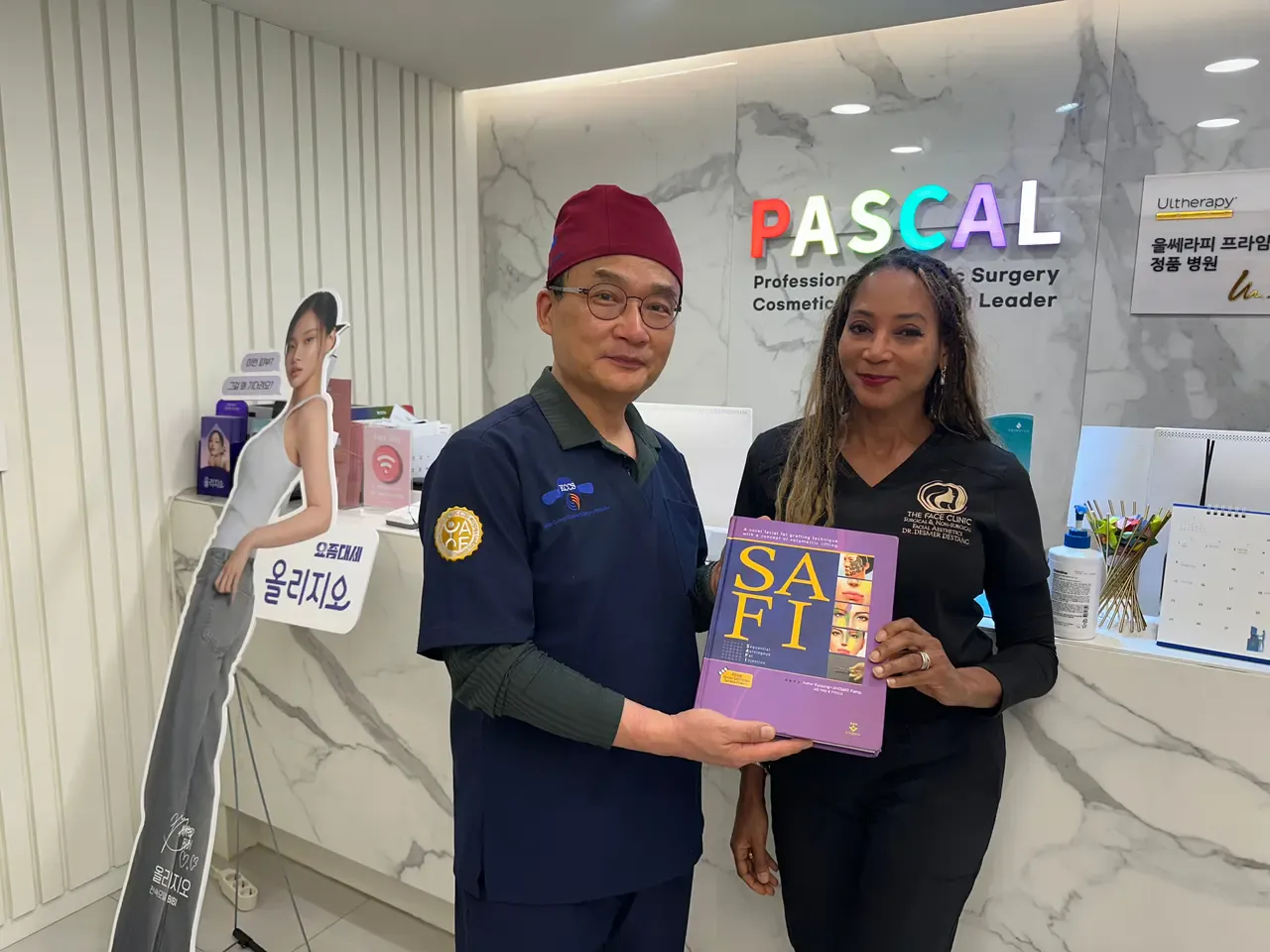
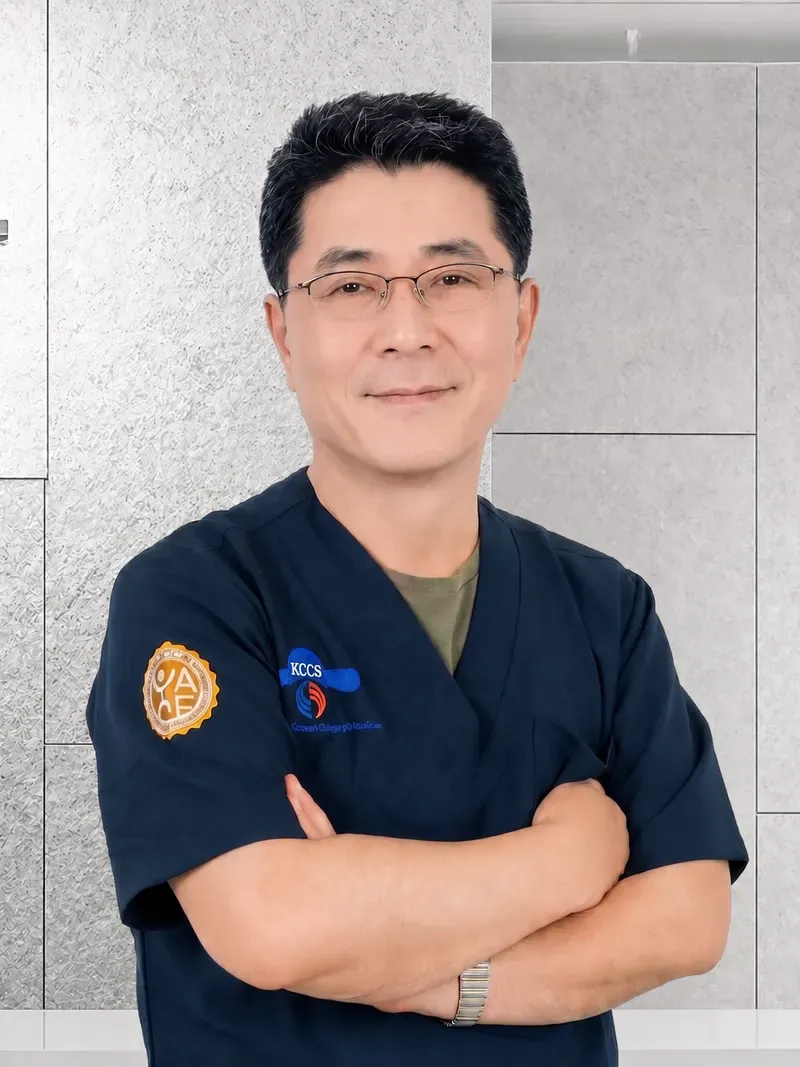
Hello, I'm Dr. Kang Kyoungjin, Representative Director at Pascal Clinic in Seoul. I hold an MD and a PhD in anatomy, and I was a professor of anatomy at Daegu Catholic University School of Medicine.
Pascal has plastic surgery, dermatology and oral and maxillofacial surgery in one building, with six doctors on public profile pages and a price list published on the site.
I wrote this because people often read a complaint as a verdict on a clinic, when the more useful question is why that lid was low in the first place.
Reviews can show you real risks, such as uneven lids or trouble closing the eyes, but they can't tell you which method suits your eyelid. To check a clinic for droopy eyelid surgery in Korea, ask who examines you, what gets measured and who handles follow-up once you're home.
If one complaint has stuck in your mind, send a front-facing photo with your eyes open on WhatsApp, and ask how that problem could apply to your own lid.
Send a front-facing eye photo and your one question on WhatsApp
Get a free consultation in 1 minuteWhy a low eyelid needs a diagnosis before a method
Ptosis means the upper eyelid sits lower than it should. The system that lifts it can be stretched, weak or poorly signaled, and each of those leads to a different conversation. I think of the eyelid as a moving mechanism: it has to work well before it can look good.
Age and years of wearing rigid contact lenses can stretch the levator aponeurosis, the tendon-like sheet connecting the lifting muscle to the lid. Nerve and muscle disorders, including myasthenia gravis, can also lower a lid, and those need a medical workup first.
Then there's the lid that only looks low because extra skin hangs over it. Loose skin and a weak lifter are separate problems, on an eyelid as much as on an upper arm with loose skin.
A mirror can't sort these out. Doctors usually measure how far the lid margin sits from the center of the pupil, how far the lid travels from looking down to looking up, where the crease falls, and whether the eye closes fully. I'd also look at your forehead, because lifting the brow all day can hide how low the lid really is.
What do Korea ptosis correction reviews and complaints get right?
A review tells you what one person noticed at one moment. It rarely says what the lid measured or how many weeks had passed. Some of the common claims are still medically sound.
| What you often read | What's medically true | What to ask |
|---|---|---|
| One eye ended up higher | True. Asymmetry is a known risk, and early swelling can exaggerate it | When would you judge lid height and consider an adjustment? |
| The eyes wouldn't close and felt dry | True. Both are listed risks. They often ease, and they can last | How will my eye be protected while it heals? |
| The crease changed | Often true. Raising the lid can change the crease and how much lid shows | Where would my crease sit with the lid raised? |
| A quick method without cutting fixes every droop | Not accurate. Fit follows how much lifting strength the lid has | Which method fits my measurements, and why? |
| Plenty of high ratings means it's safe | Ratings don't show the diagnosis, the exam or the follow-up plan | What will you measure before recommending surgery? |
Which ptosis correction methods suit which eyelid?
The lifting strength you still have usually steers the choice. These are the general options, each with its own trade-off:
Risks and side effects to know
- Levator advancement or resection. The surgeon tightens or reattaches the lifting tendon, typically through an upper lid incision. Uneven height and a visible scar are the main concerns.
- Müller's muscle resection. This works from the inner side of the lid and is generally discussed for a milder droop. It may not give enough lift for a larger one.
- Frontalis sling. This links the lid to the forehead muscle, so the forehead does the lifting. It's generally for very weak lifting, often congenital ptosis, and the lid may not move as a typical lid does.
Removing skin alone won't raise a lid with a weak lifter. Pascal lists ptosis correction for droopy eyelids separately from upper eyelid revision and midlife eyelid surgery, so ask which technique would apply to you.
Say you're in your late fifties and have worn rigid lenses for decades. Your lids have dropped slowly, and your brow aches by evening. If your lid still travels well, I'd suspect a stretched tendon and talk about tendon repair, perhaps with skin removal. If the lid sinks further through the day or you see double, this isn't the trip for eyelid surgery. You'd need a neurological check first.
How can you check a Korean clinic before you fly?
In short, these five questions work for any clinic, and the answers are easy to compare.
- Who examines me, and who operates? The CDC's medical tourism guidance tells travelers to check the qualifications of the clinician doing the procedure. Ask for a name and a specialty, then read that doctor's profile.
- What will you measure? You want lid height and lifting strength named, along with a check of eye closure.
- Why this method for my lid? Listen for reasoning tied to your numbers.
- What happens if the lids end up uneven? Ask about timing, who decides and how any revision is charged. The same questions matter for other operations, as our post on revision double jaw surgery shows.
- Who do I contact once I'm home, and how? The CDC advises agreeing on a way to communicate before you travel and getting copies of your records before you return.
At Pascal, risks such as bleeding, infection and inflammation are explained before you decide. Bring your remaining questions to that talk, and don't let a translated summary replace it.
What can go wrong, and who should wait?
Swelling, bruising, dryness and light sensitivity are the reactions most people should plan for. They usually fade over the first weeks. Less often, you may have uneven lids, trouble closing the eyes, unfavorable scarring, bleeding, infection, or a need for revision. A lasting change in vision is possible, and blindness is very rare. Individual results vary. If a scar is your concern, our guide to scar revision surgery in Seoul covers how scars are assessed.
As general medicine, you should wait or talk to your own doctor first if any of these apply:
- Your droop changes through the day, or comes with double vision.
- It appeared suddenly with a headache or a pupil change. Treat that as urgent.
- You have severe dry eye or an active eye infection.
- You're pregnant or breastfeeding.
- You take blood thinners, and nobody has reviewed them for surgery.
After flying home, get seen locally right away for worsening pain, a change in vision, spreading redness, discharge or fever. Bring your surgical records with you, then contact your surgeon. Before you travel, the CDC suggests confirming that follow-up care is available at home and checking what your insurance covers.
Doctor's note
The lid protects the cornea every time you blink, and that job comes first for me. Given the choice, I'd rather discuss a lid sitting slightly low than one that leaves the eye exposed at night. A small height difference can often be revisited later. A dry, exposed cornea causes trouble every day.
If you've already had eyelid surgery, add the year and method to a photo with your eyes gently closed, and ask what a second operation would need to take into account.
Send a front-facing eye photo and your one question on WhatsApp
Get a free consultation in 1 minuteRecovery and your days in Seoul
Expect swelling and bruising to be most visible early on, and expect lid height to keep settling for weeks or months. That's why a judgment made in the first days can mislead you. Pack sunglasses, since bright light may bother you, including on the flight home.
Ask your surgeon how that applies to your operation and anesthesia before you fix a return date.
Pascal is at Sinsa Station, Exit 8, on Line 3 and the Shinbundang Line. We're open Monday to Friday 10:00 to 19:00 and Saturday 10:00 to 17:00, and closed on Sundays and holidays. If you land on a Saturday evening, Monday is your first possible visit. Check for Korean holidays too, and ask how many visits and which stitch-removal date to plan around.
What decides the cost of ptosis correction
Final quotes follow your exam, because the right procedure and extent depend on your anatomy. For ptosis, these factors move the figure:
- One eye or both
- A first operation or a revision
- The method, and whether skin removal or other eyelid work is added
- The type of anesthesia
- Your days in Seoul and follow-up visits
Pascal's price list is on the site in Korean won, with VAT added separately. To get closer to your own case, ask on WhatsApp what it would cost, and mention which eye and any earlier surgery.
Your first message can be short
Add your travel dates and the single complaint you can't stop thinking about, and send them on WhatsApp. When you come to Sinsa, your surgeon examines your eyelids in person, explains the risks and recommends the treatment that fits.
Frequently asked questions
Are online reviews a reliable way to judge ptosis surgery?
They're useful for learning which problems can happen, such as uneven lids or dryness. They rarely include lid measurements or timing, so they can't tell you which method would suit your eyelid.
Why would a revision change the cost of ptosis correction?
Earlier surgery can leave scar tissue and alter the lid's structure, which can change the method and the extent of the operation. Mention the year and type of your earlier surgery when you ask about cost.
Can a droopy eyelid return after correction?
It can. The lid may settle lower than planned while healing, and aging tissue can keep changing over the years. Ask your surgeon how a recurrence would be assessed and what options would exist.
How do I know whether I have ptosis or just extra eyelid skin?
Extra skin can hang over a lid that sits at a normal height, while ptosis means the lid itself sits low. Measuring lid position and lifting strength separates the two, and some people have both.
When will I see my final lid height during recovery?
Most visible swelling and bruising fade over the first weeks, but lid height and crease can keep settling for weeks or months. Try not to judge symmetry in the first days after surgery.
This article is general information, not medical advice. Individual results vary, and surgery carries risks such as bleeding, infection and inflammation. Your surgeon confirms suitability at an in-person exam. Read the medical disclaimer.

Eyelid surgery · Fat grafting · Lifting · Fillers · Skin