Comparing a Korea rhinoplasty package with a quote from home, and worried the bundle covers the hotel and the driver but not what your nose actually needs?
Read this before you put down a deposit.
By the end you'll know what decides the cost of rhinoplasty in Seoul, which methods exist for a low nasal bridge or a revision rhinoplasty, what reviews get right and wrong about swelling, and when I would tell you not to book yet. That should help you judge any offer against your own nose, your budget and your leave days.
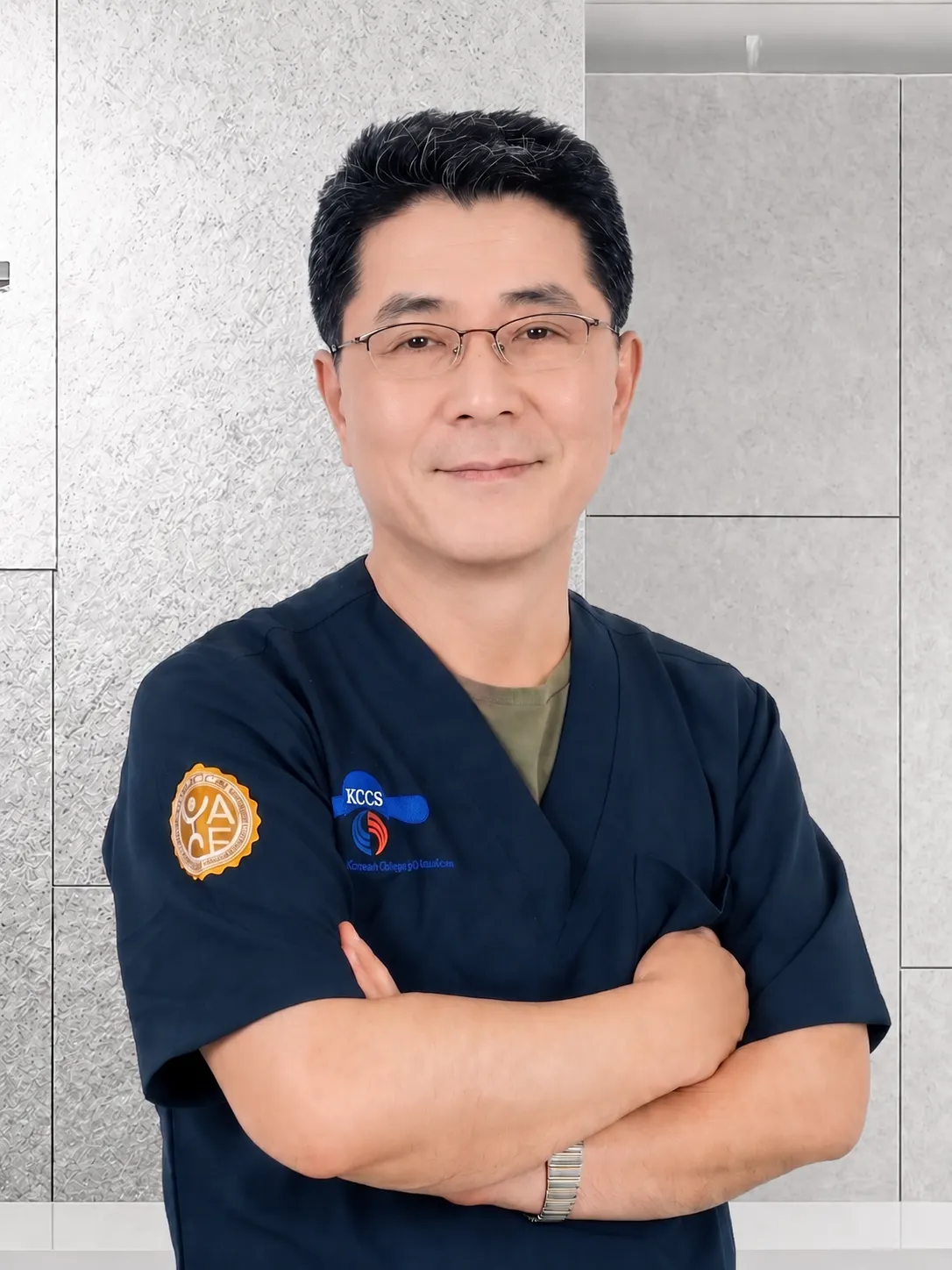
Hello, I'm Dr. Bae Seung-joo, Director at Pascal Clinic in Seoul.
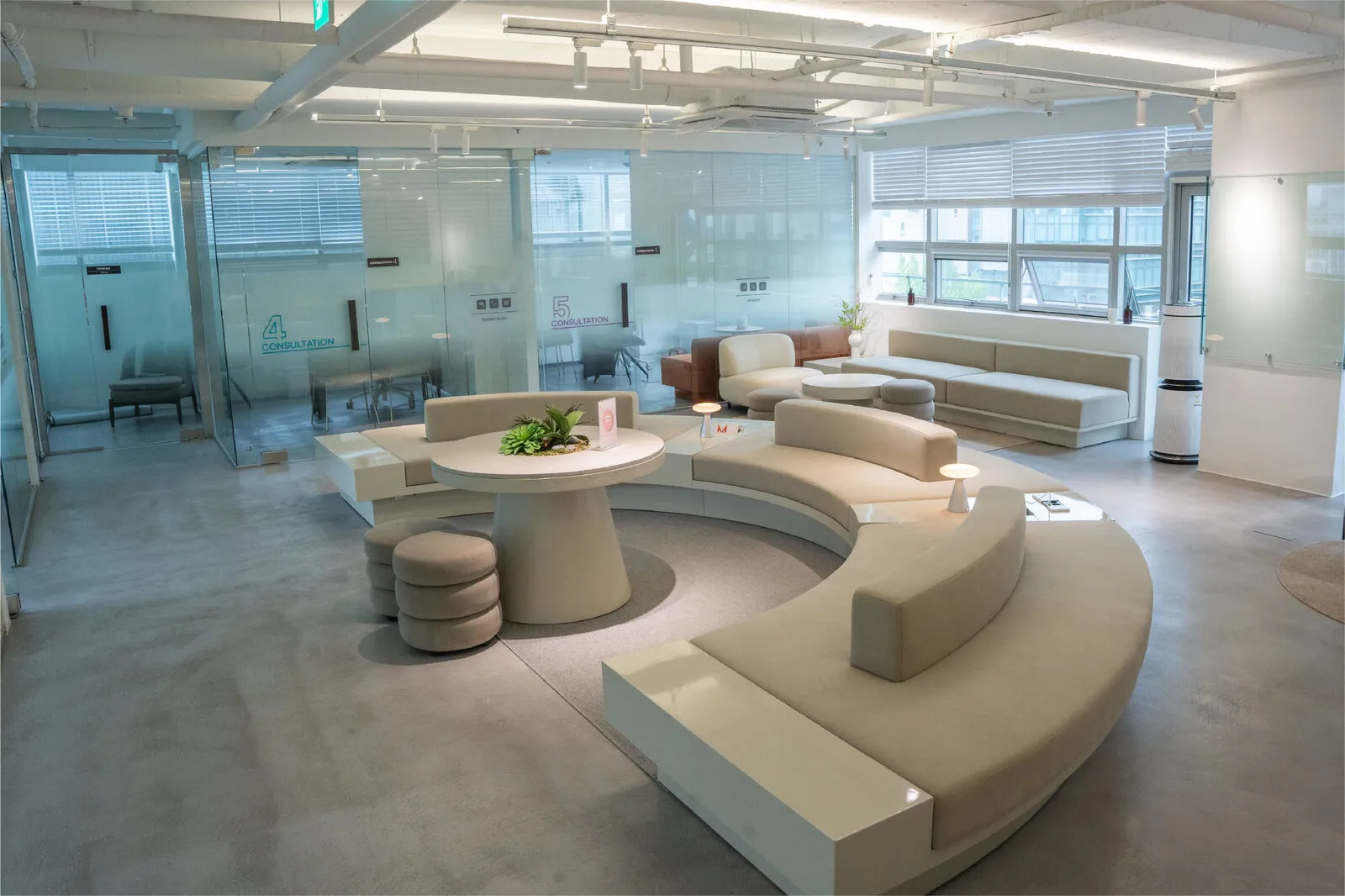
I'm a board-certified plastic surgeon with a medical doctorate, and I trained in reconstructive plastic surgery at MD Anderson Cancer Center in Houston. My work covers scar reconstruction, facelift, rhinoplasty and eyelid surgery (my profile). At Pascal, plastic surgery, dermatology and jaw surgery share one building in Sinsa-dong, and both rhinoplasty for a low nasal bridge and revision rhinoplasty are quoted after an exam.
I'm writing this because many people considering rhinoplasty in Seoul pick a bundle by its list of extras, and only afterwards ask whether the surgery inside it was planned for their nose.
A Korea rhinoplasty package is only as sound as the exam behind it. The method, the material and how much is changed have to come from your anatomy, and those same things decide the cost.
If you have an offer open right now, send clear front and side photos of your nose on WhatsApp, plus the one thing you most want to ask, for example implant or your own cartilage. A coordinator passes them to your surgeon and replies with options and the matching price-list lines.
Send front and side photos of your nose on WhatsApp
Get a free consultation in 1 minuteWhat should a Korea rhinoplasty package include?
A package usually bundles things around the operation: airport transfers, a hotel, help with language, sometimes aftercare products. Those can be useful on a short trip. None of them tells you whether the operation suits your nose.
Before you compare extras, get answers to these five questions:
- Who examines you, and is that the surgeon who operates?
- Is the method (implant, your own cartilage, tip work) fixed before anyone has seen you, or chosen after an exam?
- What anesthesia is used, and who manages it?
- Which follow-up visits are included, such as splint and stitch removal, and how many days you must stay for them?
- What happens if something needs attention after you fly home, and will you leave with copies of your records?
The U.S. CDC's medical tourism guidance also suggests planning follow-up care at home and carrying copies of your medical records. At Pascal, you meet your surgeon at your consultation, and your surgeon confirms the plan at an in-person exam.
Methods: raising a low bridge or revising an earlier nose
Two operations cover most rhinoplasty questions I get from abroad. Rhinoplasty for a low nasal bridge raises the height of the bridge and the tip, using an implant or your own tissue. Revision rhinoplasty corrects problems after an earlier nose surgery, such as asymmetry, inflammation or an implant that has moved.
The choice between an implant and your own tissue is a structural decision. Skin thickness, how much height you want, the strength of the tip cartilage and any earlier surgery all shift the trade-off. A review of Asian rhinoplasty in Plastic and Reconstructive Surgery Global Open weighs the same balance between implants and grafts taken from the patient's own cartilage.
Doctor's note
For me, a nose plan starts with structure: the skin, the cartilage and the airway. A bridge has to let you breathe well before it can look good. If the height you want would stretch thin skin tightly over an implant, I would rather talk you down than build it.
What decides the cost of your nose surgery
Rhinoplasty has no fixed figure on Pascal's price list. It is quoted after an exam because the price follows the extent of surgery. These are the factors that move it for you:
- First surgery or revision. For a revision, the quote depends on the condition of the tissue after your earlier operation.
- Material. An implant, your own cartilage, or both. Taking cartilage adds a second site to heal.
- Extent. Bridge only, or bridge plus tip and nostril shape.
- Anesthesia and operating time, which grow with the extent.
- Your days in Seoul. Accommodation and the follow-up visits you need to stay for sit outside the operation itself.
Published prices are in Korean won, before 10% VAT. To get a figure for your own nose, ask on WhatsApp what it would cost for your case and attach those same photos. With photos the team can give you a range, and the final quote follows your exam.
What do reviews get right and wrong about rhinoplasty in Korea?
Forum threads about a South Korea rhinoplasty package tend to repeat a few claims. Some hold up medically and some don't.
Swelling is gone in a week. Partly true. The splint usually comes off around the first week and bruising often fades over the following weeks. The American Society of Plastic Surgeons notes that the final shape can take up to a year to refine, and the tip is often the last part to settle. Holiday photos in week two won't show the finished nose.
Every package is the same surgery with different extras. Not true. Two people booking the same bundle may need different material, different tip work or a revision approach altogether.
Your own cartilage never causes problems, implants always do. Neither is absolute. Your own cartilage avoids foreign material but needs a donor site and can shift or partly absorb in some cases. An implant gives a predictable height but can become infected, move, or show through thin skin, which is one reason revision surgery exists.
Photos are enough to decide. Photos are good for a first opinion. Suitability is confirmed in person, because skin thickness and cartilage strength are felt, not seen.
Risks and limits of nose surgery abroad
Risks and side effects to know
For the first weeks most people have swelling, bruising around the eyes, a blocked nose and some numbness at the tip. These usually ease gradually, the tip last. The ASPS lists rhinoplasty risks that include bleeding, infection, difficulty breathing through the nose, numbness and the possibility of revision surgery. Surgery carries risks such as bleeding, infection and inflammation, and your surgeon explains them before you decide. Individual results vary.
As general medicine, it's usually wiser to wait or discuss first if you have:
- a cold, sinus infection or nasal inflammation right now
- pregnancy or breastfeeding
- a bleeding disorder, or you take blood thinners
- a smoking habit you can't pause, since it slows healing
- an earlier nose surgery that hasn't finished settling
If after flying home you notice fever, spreading redness, discharge, swelling that rises quickly on one side, a nosebleed that won't stop or worsening breathing, see a local doctor promptly. Bring your records, and message us on WhatsApp with photos so your surgeon in Seoul knows what is happening.
Say you had an implant placed years ago, the bridge now tilts slightly, and you can get eight days of leave. I wouldn't treat that as a standard bundle. In revision, the tissue left by the first operation decides what's possible, and scar tissue around an old implant can change the plan in the operating room. I'd want the details of your earlier surgery before we talk dates, and I'd want spare days in your schedule.
If you've had nose surgery before, send what you know about it on WhatsApp: the year, the implant type if you know it, and any notes from that clinic, alongside your photos. The team will tell you whether a revision is likely to help.
Send front and side photos of your nose on WhatsApp
Get a free consultation in 1 minuteWhen should you not book a rhinoplasty trip yet?
A Korea rhinoplasty package is the wrong move, for now, in a few situations.
- Your trip can't hold the first week. Splint removal and the first check commonly fall around then, and flying out with a fresh splint is the part of a short trip I would change first.
- Your nose may still be growing. Many surgeons wait until nasal growth is complete in the late teens.
- A breathing problem hasn't been examined. Whether you can breathe through your nose comes before any change in shape.
- The deadline on an offer is what's pushing you. Book when the plan fits your nose, not when a date runs out.
Check your calendar too. Pascal is open Monday to Friday 10:00–19:00 and Saturday 10:00–17:00, closed on Sundays and public holidays. Land on a Sunday and your first visit is Monday at the earliest. The clinic is a short walk from Sinsa Station (Line 3 · Shinbundang Line), Exit 8.
Doctor's note
If your leave can't cover the first week of healing, I'd rather you move the trip than squeeze the surgery into it. A nose that gets a few extra days of care before a long flight is a better start than any extra in a bundle.
Message us on WhatsApp with the dates you could travel and the one question that would settle it for you, such as whether your bridge suits an implant. When you come in, your surgeon examines your nose, explains the risks and recommends the approach that fits your anatomy.
Frequently asked questions
Is the price on Pascal's website the final cost for rhinoplasty?
Rhinoplasty is quoted after an exam because the price depends on the extent of surgery. Published prices are in Korean won, before 10% VAT, and final quotes follow your exam.
Can I get a first opinion before I fly to Seoul?
Yes. Message on WhatsApp with your goal and clear front and side photos. A coordinator passes them to your surgeon and replies with options and the matching price-list lines. Your surgeon still confirms the plan at an in-person exam.
Can a nose done at another clinic be corrected at Pascal?
Pascal treats revision cases for noses. Send your photos and the details of your previous surgery, and the team will tell you whether a revision is likely to help.
How soon can I fly home after a nose job in Seoul?
There is no single answer. Many people wait at least until the splint is off and the first check is done, which commonly falls around the first week. Discuss your flight date with your surgeon before you book it.
Who will operate on my nose?
You meet your surgeon at your consultation. At Pascal, Dr. Bae focuses on scar reconstruction, facelift, nose and eyelid surgery.
This article is general information, not medical advice. Individual results vary, and surgery carries risks such as bleeding, infection and inflammation. Your surgeon confirms suitability at an in-person exam. Read the medical disclaimer.
Scar reconstruction · Facelift · Rhinoplasty · Eyelid surgery · Skin