Korea nose surgery: how to choose a clinical site you can only judge from your laptop, and still fit the exam, the stitches and the flight home into one trip?
Pick the clinic where you know before you fly who will operate, where the final plan is set at an in-person exam, and where your stay covers stitch removal. After a first low-bridge rhinoplasty here, stitches come out 5–7 days after surgery; after revision, daily life resumes within 7 days.
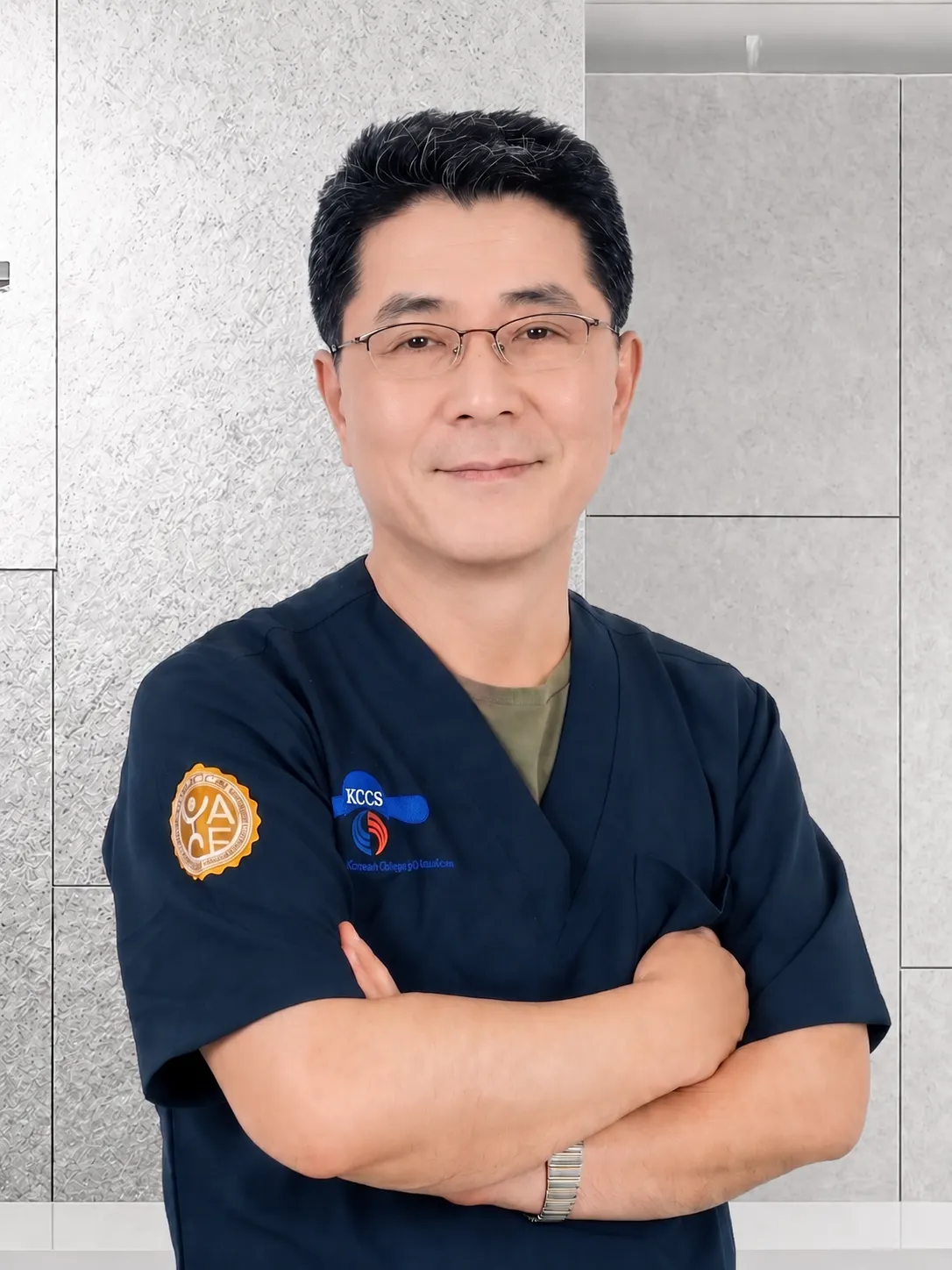
Hello, I'm Dr. Bae Seung-joo, Director at Pascal Clinic in Seoul, MD, PhD and plastic surgery specialist.
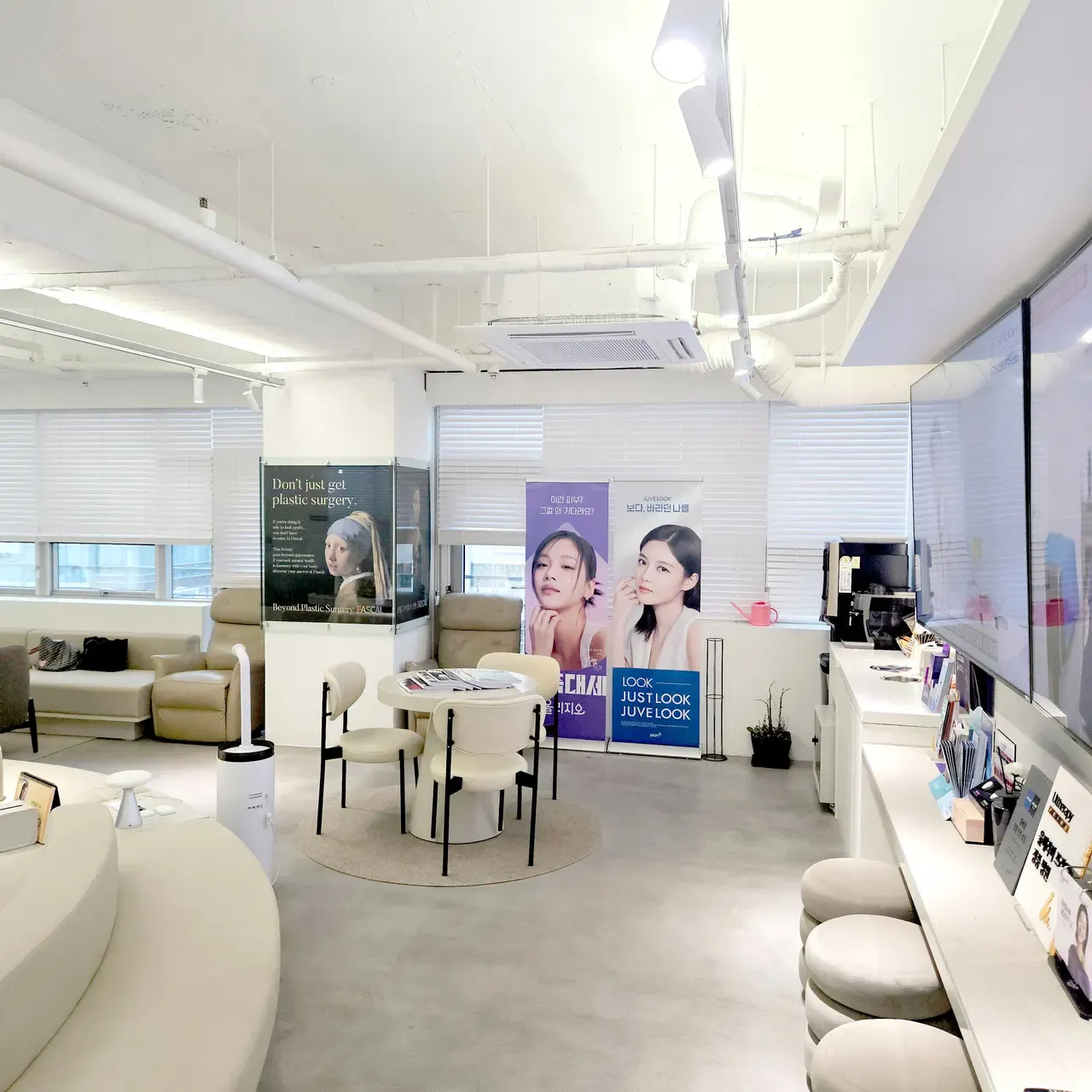
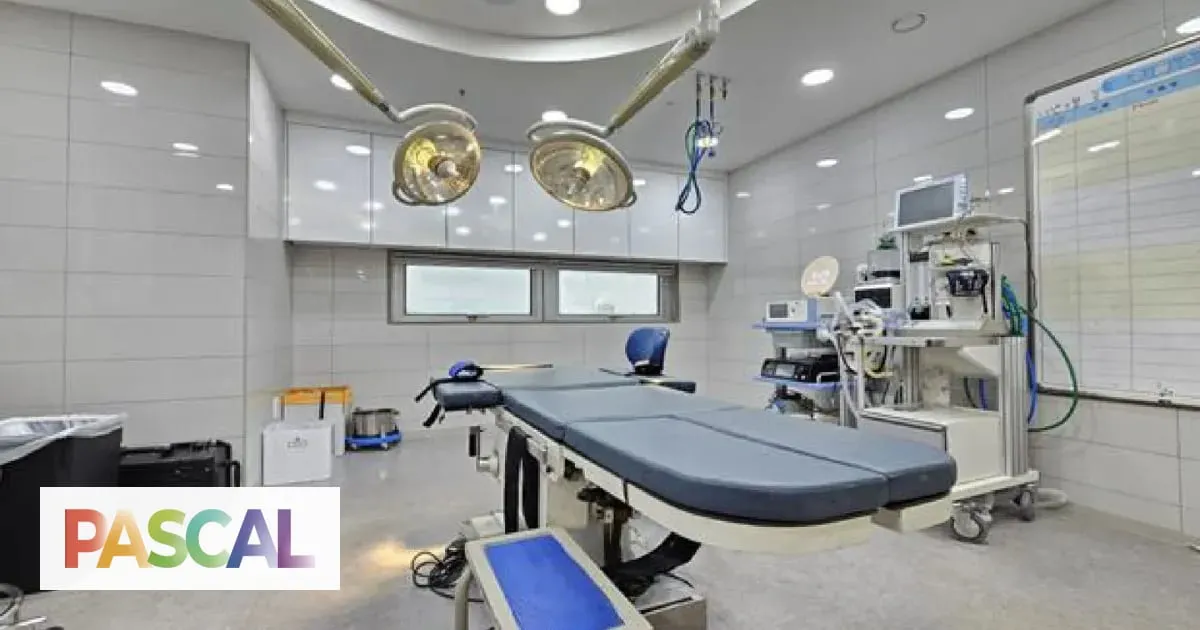
I trained in reconstructive plastic surgery at MD Anderson Cancer Center, and both first-time and revision nose surgery are part of my work. You meet your surgeon at the consultation, a medical interpreter for your language is provided at no extra charge, and the operating and recovery rooms are in the same building as the consultation room, on floors 6 to 8.
If you're still comparing, send one front photo and one side photo on WhatsApp with the dates you could be in Seoul, and ask whether those dates leave room for stitch removal. The consultation is free.
Send a front and side photo with your dates on WhatsApp
Get a free consultation in 1 minuteKorea nose surgery: how to choose a clinical site from abroad
From home you can read websites and doctor profiles. You can't feel the skin over a nasal tip. The plan that matters gets made in one room, after a long flight, close to the day of surgery. So the useful question is which parts of that room you can check before you buy the ticket.
These are the checks I'd make in your position, and how to make each one from your desk.
| What to check | Why it matters on a one-trip plan | How to check before booking |
|---|---|---|
| The operating surgeon's name and specialty | You can't switch surgeons halfway through a trip | Ask who operates, then read that doctor's public profile |
| Whether the plan is set at an in-person exam | Photos don't show skin thickness or cartilage strength | Ask whether the final plan and quote follow the exam |
| Operating and recovery rooms on site | You recover where you were operated on | Ask where surgery and recovery take place |
| A stay that covers stitch removal | Stitches come out 5–7 days after a first rhinoplasty | Count the days against Sunday and holiday closures |
| Language in the exam room | Consent should be in words you understand | Ask whether a medical interpreter is present |
| Records to take home | Your home doctor needs to know what was placed | Ask for an operative record naming the implant or graft |
Who will actually operate on my nose?
I'd put this question first. A clinic is a building. The result comes from one surgeon's judgment and hands, and that surgeon is the person you need to be able to name. Ask for the name of the doctor who will operate, then read their public profile. Mine is on my doctor profile page, with my training and past positions, including head of plastic surgery and professor at a university hospital.
Then look at how the plan gets made. A low nasal bridge can be raised with an implant or with your own tissue, and rhinoplasty for a low nasal bridge covers both routes. Which one fits is a question of anatomy: how thick the skin over the tip is, how strong the cartilage underneath is, and how much height you want. Thick skin hides fine cartilage work. Thin skin can show the edge of an implant. A photo can't settle either.
Doctor's note
If you ask me for a lot of extra height under thin skin, I'll slow the conversation down. More height pulls the skin tighter over whatever sits beneath it, and over the years that tension is what lets an implant show or shift. I would rather plan a little less height that your skin can carry. Whoever operates on you should be willing to tell you where that line sits for your nose.
How many days in Seoul does nose surgery need?
For a first rhinoplasty on a low bridge at our clinic, stitches come out 5–7 days after surgery and daily life resumes within 5–7 days. After revision rhinoplasty, daily life resumes within 7 days. Fine swelling at the tip keeps settling for months; the American Society of Plastic Surgeons notes that the new contour can take up to a year to refine. You don't need to stay in Seoul for that part. You do need to stay for the stitches.
So build the trip backwards from stitch removal. Put the consultation and exam before surgery, then the 5–7 days, then a spare day before your flight, because a long-haul seat with a swollen nose is a lot more comfortable on the day after a check than on the same afternoon.
The calendar is where trips usually come apart. We're open Monday to Friday 10:00–19:00 and Saturday 10:00–17:00, and closed on Sundays and public holidays. Say your surgery is on a Monday. Counting 5 to 7 days lands on Saturday, Sunday and the following Monday. Sunday is out, so your stitch visit is Saturday or Monday, and a Sunday-night flight only works if Saturday goes ahead. Korean public holidays such as Seollal and Chuseok can close several days in a row, so check your window against them before you pay for the ticket.
Book the flight home after the stitch-removal visit, never on the morning of it. If that visit moves by a day, a same-day flight leaves you no room.
Once you have rough dates, send them on WhatsApp with a side photo taken in daylight, and ask which surgery day would put your stitch visit on a day we're open.
Send a front and side photo with your dates on WhatsApp
Get a free consultation in 1 minuteWhat decides the cost of rhinoplasty in Korea?
Our price list is published in Korean won, before 10% VAT. Rhinoplasty isn't listed as a fixed line; it's quoted after the exam, because the price follows what the surgery has to do. These are the factors that move it:
- First operation or revision. Revision means working with tissue already changed by earlier surgery.
- Implant or your own cartilage, and where that cartilage is taken from.
- Whether the tip needs work as well as the bridge.
- The type of anesthesia.
- How many days you spend in Seoul, which shows up on your hotel bill rather than ours.
Ask on WhatsApp what it would cost for your case, with a front and a side photo. A coordinator passes the photos to your surgeon and replies with options and the matching price-list lines, and your surgeon confirms the plan at the exam. Deposit and payment method are settled after the consultation, so put that question in the same message if your budget planning needs it.
Bleeding, infection, implant shift: what to plan for once you're home
Swelling and bruising around the nose and eyes are expected in the first days, and the inside of the nose often feels blocked while it settles. Surgery carries risks such as bleeding, infection and inflammation, and your surgeon explains them before you decide. The ASPS safety page also lists breathing difficulty, numbness, skin discoloration, a hole in the septum, an appearance you're unhappy with and the possibility of a second operation. Individual results vary.
Risks and side effects to know
Some people are better off waiting: anyone with an active infection or skin problem on the nose, a bleeding disorder or blood thinners that can't be paused safely, or a pregnancy. Smoking slows wound healing, so stopping well ahead of surgery is worth planning for. If you've had filler in your nose, say so at the consultation, with the date.
The risk to plan for at home is the late surprise: redness that spreads, a fever, pain that grows instead of fading, fluid from the incision, or an implant that seems to move. Any of those means seeing a doctor near you that day and sending clear photos to us on WhatsApp. Before you leave Seoul, ask for a copy of your operative record naming the implant or graft used. The CDC advises anyone treated abroad to bring home records of their care, and your local doctor will need to know exactly what is inside your nose.
If an earlier operation left a problem, revision rhinoplasty corrects asymmetry, inflammation or implant movement after previous surgery. If what bothers you is a visible scar from earlier surgery elsewhere on the face, scar revision surgery in Seoul is a separate question with its own exam.
Adding another procedure to the same trip
People often ask whether eyelids and nose can be done on one visit. Sometimes that is reasonable. It also means more swelling across the middle of the face at once, and a stay that has to cover two sets of stitches. If you're weighing it, read how buried-suture double eyelid surgery works first, then raise the combination at your consultation, where the surgeon examining both areas can tell you whether one trip carries both.
If you take away one thing about Korea nose surgery, how to choose a clinical site comes down to two items: the name of the surgeon who operates, and a calendar that covers your stitches.
The consultation is free. On WhatsApp, send a front and a side photo in daylight, your possible dates, and, if you've had nose surgery before, what was done and when. Then ask the question that is really holding you back, such as what happens if something feels wrong after you're home. At the exam, what I'll want to assess is the skin thickness over your tip and how firm the cartilage underneath is, because those two decide between an implant and your own tissue.
Frequently asked questions
Can I get a plan from photos before I fly to Seoul?
Send your goal and clear front and side photos on WhatsApp. A coordinator passes them to your surgeon and replies with options and the matching price-list lines. Your surgeon still confirms the plan at an in-person exam.
Should I choose an implant or my own cartilage?
Both can raise a low bridge. Your own cartilage needs a donor site, while an implant carries a risk of shifting or showing under thin skin. Skin thickness and cartilage strength at the exam point to which one fits.
Can you fix a nose that was operated on at another clinic?
Yes, revision cases for noses are treated here. Send photos and the details of your previous surgery, and the team will tell you whether a revision is likely to help. After revision, daily life resumes within 7 days.
Are the prices on the website final?
They are published list prices in Korean won, before 10% VAT. Rhinoplasty is quoted after the exam. For a conversion into your currency, ask your coordinator at booking, because exchange rates change.
Where is the clinic and how do I get there?
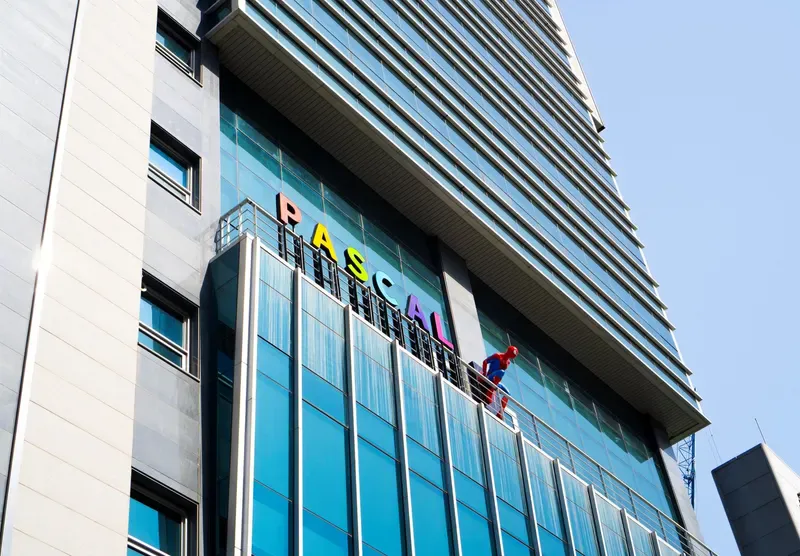
157 Dosan-daero, Sinung Tower Two (6F–8F), Sinsa-dong, Gangnam-gu, Seoul. It is a short walk from Sinsa Station (Line 3 and Shinbundang Line), Exit 8.
This article is general information, not medical advice. Individual results vary, and surgery carries risks such as bleeding, infection and inflammation. Your surgeon confirms suitability at an in-person exam. Read the medical disclaimer.
Scar reconstruction · Facelift · Rhinoplasty · Eyelid surgery · Skin