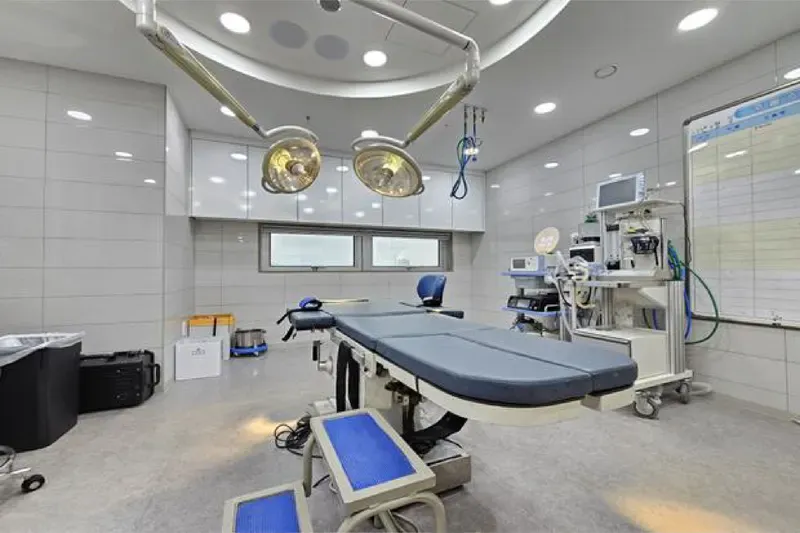
Thinking about Korea forehead surgery but unsure whether your annual leave can cover it?
Go through this before you book a flight.
You'll know what decides the cost, what reviews get wrong, which methods fit which problem, and how many days to plan. Then you can tell whether this trip works for your forehead, your calendar and your budget.
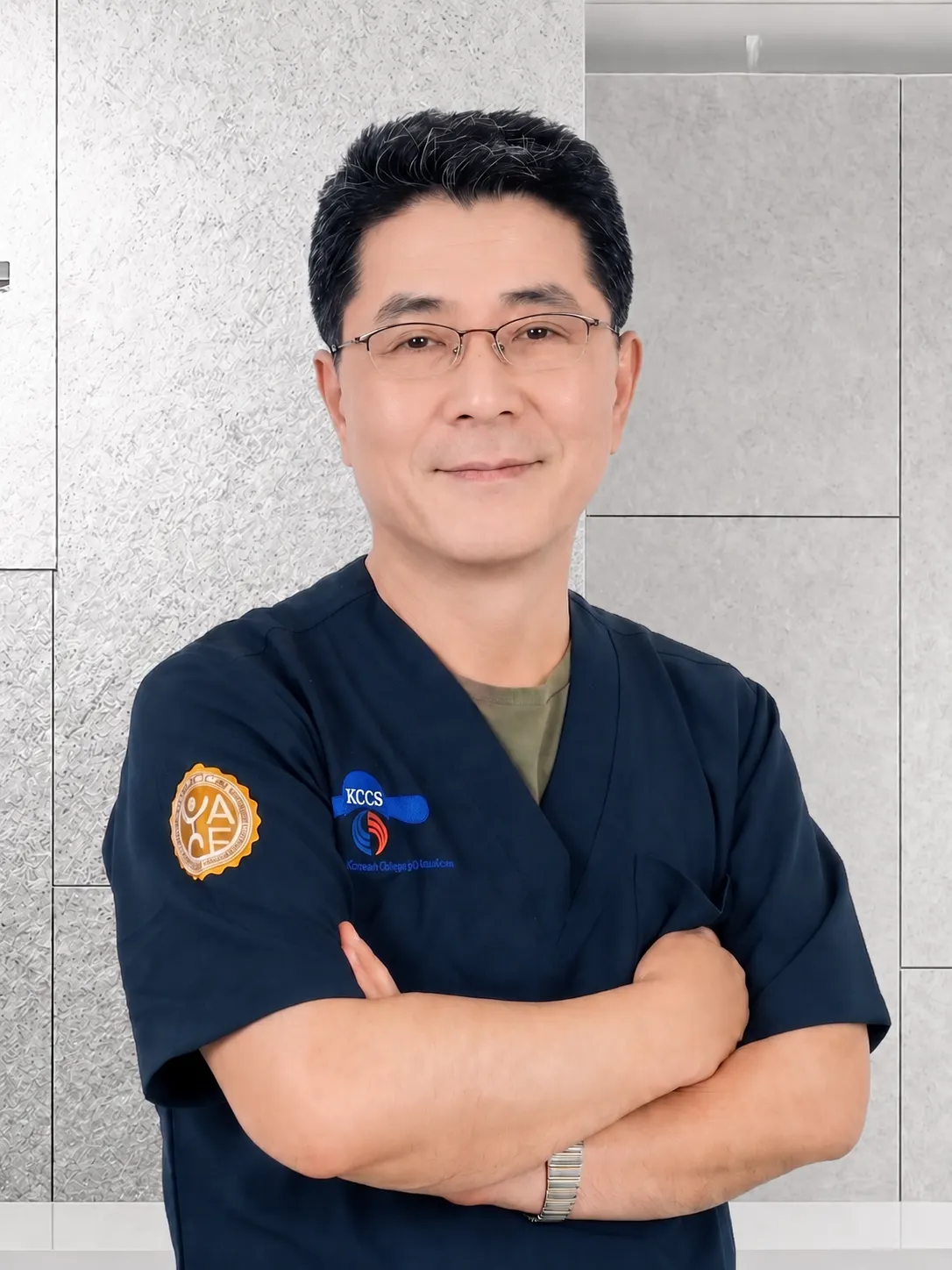
Hello, I'm Dr. Bae Seung-joo, a Director at Pascal Clinic in Seoul.
I'm a plastic surgery specialist with a medical doctorate, and the forehead lift is among my treatments.
I wrote this because many people fix the return flight first, then try to fit the surgery inside it.
A forehead lift is incisional surgery, so plan around two weeks in Korea. Book the return once your surgeon has confirmed when the stitches or clips come out.
If you're still working out your leave, send your possible dates on WhatsApp with a front and a side photo, and ask whether two weeks looks enough.
Send your leave dates and photos on WhatsApp
Get a free consultation in 1 minuteIs it your brow, your eyelid or your forehead shape?
In short, these three problems feel alike and lead to different operations, so sort this out before you plan a trip. Look in a mirror with your forehead fully relaxed, eyes closed, then open them without lifting your brows.
If your brows sit low and your upper lids look crowded, a forehead lift may be the conversation. If your brows sit fine but the lid itself is heavy, the eyelid is the likelier source. Our guide to buried-suture double eyelid surgery covers one eyelid option, and ptosis correction is another.
People who search for a Korean forehead often mean something else again: a rounder, fuller profile. That's a volume question.
Say you're 47, your brows have dropped, and you've caught yourself raising them all day to keep your eyes open. I'd look at the brow position first, since an eyelid operation alone could leave the brow low. That's the kind of reasoning worth settling before you spend on flights.
How many days does Korea forehead surgery take?
Plan on roughly two weeks. The American Society of Plastic Surgeons says initial wound healing takes about 10 to 14 days, after which most people are ready for work and normal activities. Full recovery can take several months.
Flying adds a second reason for that length. The US Centers for Disease Control and Prevention warns that flying after surgery raises the risk of blood clots, and advises delaying air travel for 10 to 14 days after major surgeries. Ask your surgeon how that applies to your operation and your flight time.
The ASPS also says sutures or clips come out when the surgeon judges it appropriate, so that date isn't something to guess from a website. Your flight has to fall after it.
Your leave, block by block
Here's how I'd lay out Korea forehead surgery on a calendar. Everything below is planning logic built on our hours and the guidance above, so confirm the actual dates at booking.
| Block | What to plan | Why it matters |
|---|---|---|
| 4 to 6 weeks before | See your own doctor; gather your records | The CDC suggests this lead time for a pretravel visit |
| Arrival | Land before the weekend ends, with a rest day | We're closed on Sundays and public holidays |
| Exam and surgery | Weekdays 10:00 to 19:00, Saturdays until 17:00 | You meet your surgeon at your consultation |
| First days after | Stay close to Sinsa Station, head raised | Swelling and bruising are at their most visible |
| Stitches or clips out | Date set by your surgeon | Your flight must come after this |
| Flight home | About two weeks after surgery | Allows for wound healing and clot risk |
The ASPS says your head may be taped or loosely wrapped, and a thin drain may be placed. It also advises keeping your head raised, avoiding hard exercise, and not applying ice or heat to the area unless told otherwise. Pack button-front shirts so nothing pulls over your head, and choose a hotel where you can rest without stairs.
Leave one spare day before your flight if your airline allows changes. If that's impossible, tell your surgeon your date at the start, since it may change the advice.
Once you've mapped your block, send your leave dates and photos on WhatsApp. A coordinator passes them to your surgeon and replies with options and the matching price-list lines. Ask if your return date leaves enough room.
Send your leave dates and photos on WhatsApp
Get a free consultation in 1 minuteWhat do reviews say about forehead lift recovery?
In short, these are general claims, sorted against the medical picture.
- "You're back at work in a week." Optimistic. The ASPS figure is 10 to 14 days of initial healing, and bruising can outlast your comfort on video calls.
- "The scar disappears." Incision lines fade over time, and they don't vanish. Hair can hide a scalp scar, and it can't always hide one at the hairline.
- "Numbness means something went wrong." Often untrue. Changes in skin sensation are a listed effect, and many people notice them early on. Tell your surgeon if they persist.
- "A five-day trip is plenty." Not for incisional surgery, in my view. That length leaves you flying during early wound healing.
Which forehead surgery methods fit which problem?
At Pascal, the incisional forehead lift places the incision along the hairline or inside the scalp, then lifts the drooping skin and muscle. The location is the main decision, and it comes down to your hairline. A scalp incision tends to move the hairline up as it lifts, so it suits a lower hairline better. A hairline incision is often preferred when the forehead is already tall, with the trade-off of a scar placed closer to view.
There are alternatives, with their own limits. Thread lifting or Ultherapy may suit mild brow drooping, though they generally offer less lift than surgery. Fat grafting or filler adds volume, and filler carries a rare risk of blood vessel injection. Forehead reduction, which moves the hairline itself, isn't on my clinic's menu.
What decides the cost of your surgery
A forehead lift is quoted after your exam, because the figure follows the extent of surgery. Five things tend to move it:
- the incision approach and how much tissue needs lifting
- whether eyelid surgery or a facelift is added
- the anesthesia used
- your days in Seoul, including the buffer before flying
- follow-up care once you're home, which the CDC warns may not be covered by your insurance
Combining operations can stretch your stay. Our cheekbone reduction travel guide shows how a different operation changes the timing. To get a range for your case, ask on WhatsApp what your surgery would cost, with your photos.
Follow-up once you're home
Healing continues for weeks after you land, and full recovery can take several months. So your plan needs a doctor at home before you leave for Seoul.
The CDC advises confirming you can get follow-up care at home, and asking for copies of all your records before you return. You may need them translated into English. Book a visit with your family doctor or a local plastic surgeon for the week you get back, and ask before surgery how to reach us with questions after you've left. If a scar concerns you once it has matured, our scar revision methods guide explains what's possible.
What can go wrong, and who should wait
Put simply, this is surgery, with real trade-offs. Your surgeon explains the risks before you decide, and you should know them before you buy a ticket.
Risks and side effects to know
Swelling, bruising and tightness are common in the first weeks and ease gradually. The ASPS also lists bleeding, infection, fluid buildup, numbness or intense itching, hair loss around the incisions, an elevated hairline, asymmetry, dry or irritated eyes, unfavorable scarring and possible revision surgery. Rarer are facial nerve injury with weakness and deep vein thrombosis.
As a general rule, you may need to wait or reconsider if you smoke, have uncontrolled high blood pressure, have a bleeding disorder or take blood thinners. The same goes if you're pregnant or have an active scalp infection. Tell your surgeon about all of these.
After you fly home, chest pain or shortness of breath needs emergency care right away. Fever, spreading redness, a swelling that grows or new weakness on one side of the face also need prompt review by a doctor. Individual results vary.
Doctor's note
When I weigh this operation, I look at the brow and the hairline together, because moving one changes how the other reads. And I would take a later surgery date over a rushed one. A forehead lift is planned around tissue healing, and tissue doesn't follow an airline's schedule.
A small first message
On WhatsApp, include your goal and your leave window, plus one question about your forehead. When you come to Seoul, your surgeon examines you and recommends the approach that fits your brow and hairline.
Frequently asked questions
Can I combine a forehead lift with eyelid surgery on one trip?
Many surgeons consider this when both the brow and the lid contribute to the problem, but a combined plan can change your stay and your recovery. Ask for the sequence and the days before you fix your leave.
Will my hairline look different afterward?
It can. An elevated hairline is a listed risk of brow lift surgery, particularly with incisions inside the scalp. If your forehead is already tall, raise this before surgery so the incision choice takes it into account.
When can I wash my hair after a forehead lift?
Timing varies with the incision, the dressing and any drain, so follow the instructions your surgeon gives you. Ask about it before surgery, and pack gentle products so you aren't shopping while your head is still wrapped.
Does a forehead lift get rid of frown lines?
It can soften forehead and frown lines by lifting skin and muscle, though it doesn't remove every line. Lines at rest can remain, and your surgeon can tell you what to expect once your forehead has been examined.
Do I need someone with me in Seoul?
It helps to have someone with you for the first days, especially on the day of surgery, when anesthesia may still affect you. If you're traveling alone, tell the team when you book so you can plan the day.
This article is general information, not medical advice. Individual results vary, and surgery carries risks such as bleeding, infection and inflammation. Your surgeon confirms suitability at an in-person exam. Read the medical disclaimer.
Scar reconstruction · Facelift · Rhinoplasty · Eyelid surgery · Skin