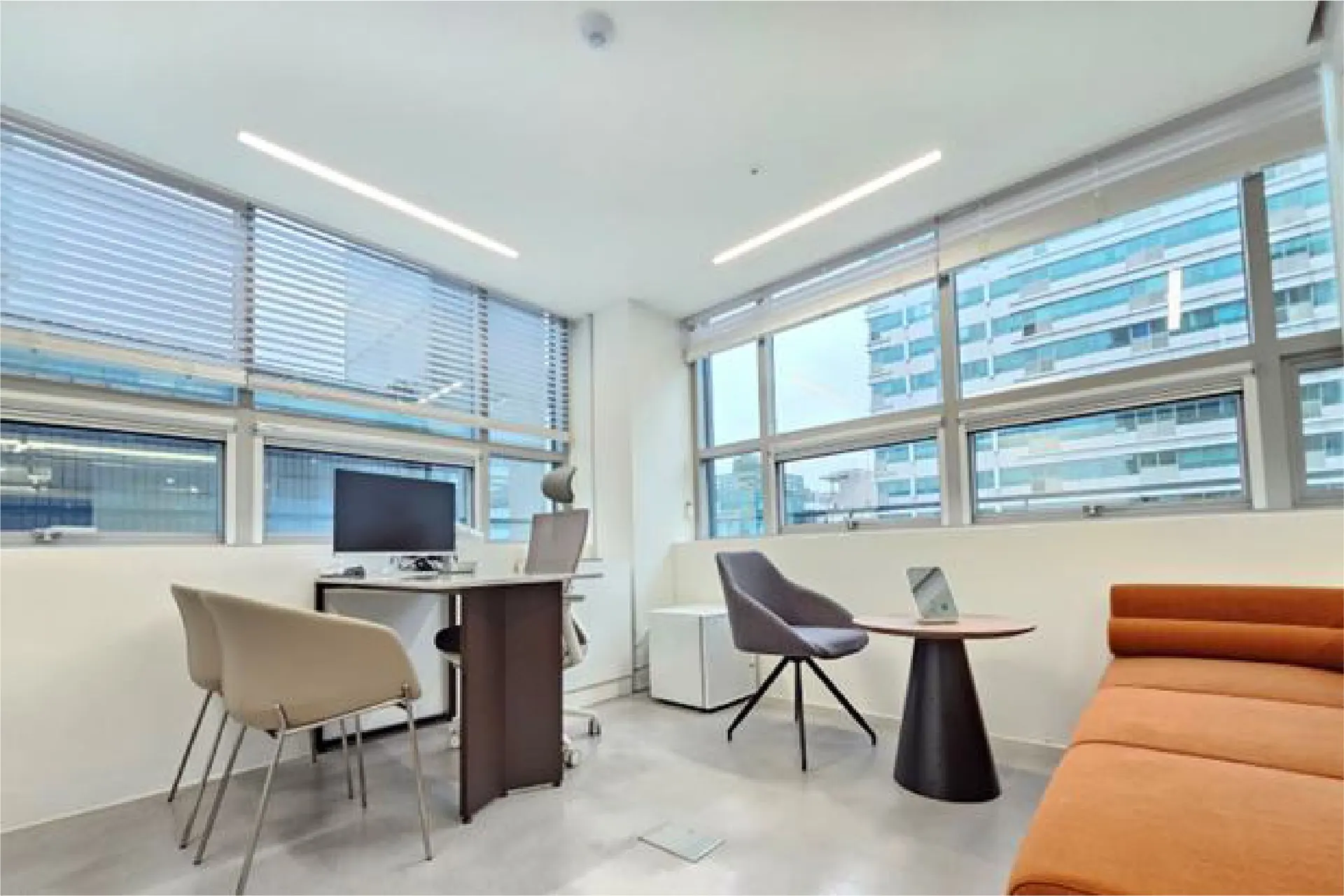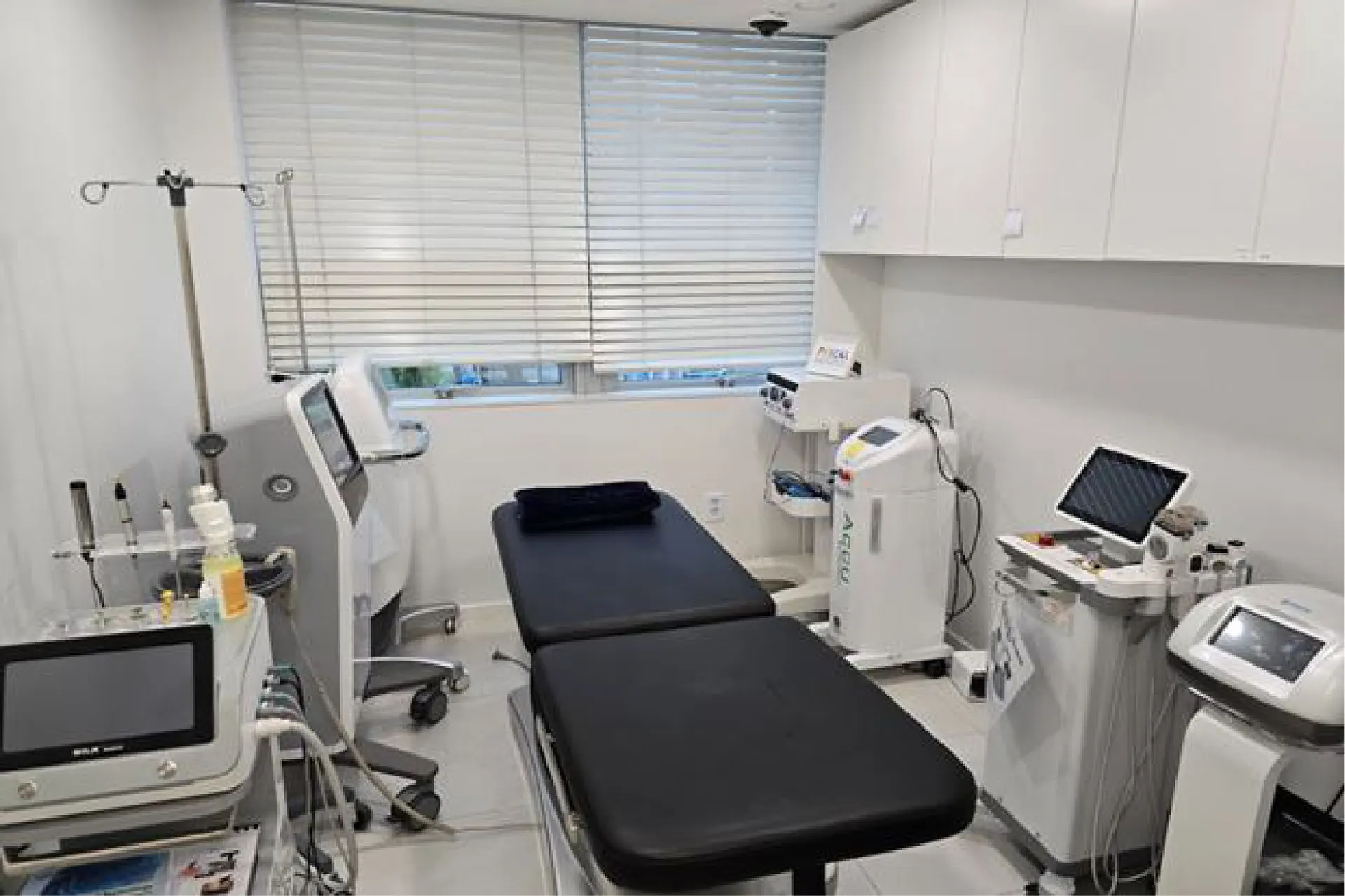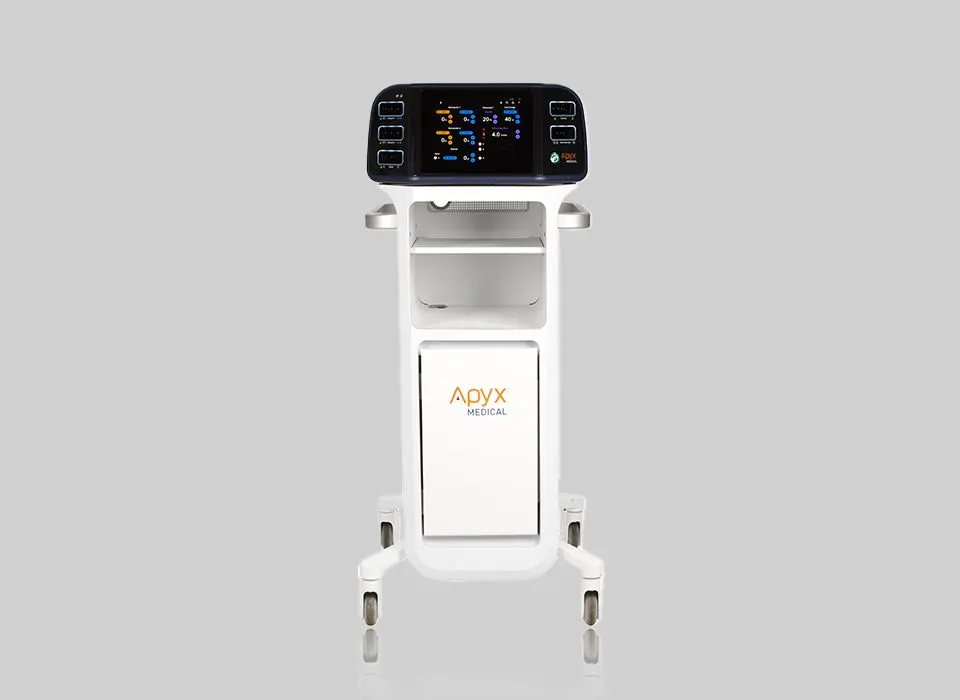
The thing most likely to break a long-weekend plan for a PDO thread lift in Korea isn't the threads. It's Sunday. Pascal Clinic in Seoul is open Monday to Friday 10:00–19:00 and Saturday 10:00–17:00, and closed on Sundays and public holidays.
A thread lift is a non-surgical lift with absorbable threads, and a short trip can work if your exam and treatment fall on a weekday, while the clinic is still open for the first day of swelling. Whether threads suit your face at all is decided at the in-person exam.
If you're an English teacher in Asia or someone stretching a few days of leave, this page maps the procedure onto the trip itself: which day to land, what the first evening feels like, and what to carry home.
What is a thread lift, and where does PDO fit?
A thread lift places absorbable medical threads under the skin to lift sagging tissue. At Pascal, thread lifting with COG and Mint threads places them in the dermis or the deeper SMAS layer. "PDO" names the thread material. It does not name a technique.
Polydioxanone (PDO) is a synthetic, biodegradable polymer used mainly for surgical sutures. The body breaks it down by hydrolysis and reabsorbs it completely over time. "COG" describes shape instead: small barbs or cones along the thread that grip tissue as it is pulled. So a PDO thread lift and a COG thread lift can describe one thread from two angles.
Pascal's menu names COG and Mint threads but does not list the material. If PDO specifically matters to you, ask which material is planned for your face during the exam. People searching for a Korean thread lift also ask about a neck thread lift or a chin thread lift. Those are the same idea placed in a different area, and whether they help depends on how thick your skin is and how far the tissue has descended.
Can a PDO thread lift in Korea fit a long weekend?
Often, yes. Land before your clinic day, put the exam and treatment on a weekday, and keep at least one open day before the flight. The table below uses the clinic's published hours.
| Day | What it is for | Clinic open |
|---|---|---|
| Thursday evening | Land at Incheon, check in near Sinsa | Closed for the day |
| Friday | Exam with the doctor, then treatment if you both agree on a plan | 10:00–19:00 |
| Saturday | Swelling and tightness are usually most noticeable; rest | 10:00–17:00 |
| Sunday | Quiet day in the hotel or a slow walk | Closed |
| Monday | Fly home; the clinic reopens at 10:00 if your flight is later | 10:00–19:00 |
Ask ahead whether the exam and the treatment can happen on the same day. That depends on the schedule and on the plan your doctor proposes, so don't build the trip on it before you hear back.
The clinic is in Sinung Tower Two (6F–8F), 157 Dosan-daero, a short walk from Sinsa Station (Line 3 · Shinbundang Line), Exit 8. A room within walking distance of that exit means Saturday doesn't start with a long subway ride while your cheeks feel tight. Check your dates against Korean public holidays too. A holiday on your Friday turns a workable weekend into one with no open clinic day at all.
What does the PDO threads healing process feel like?
Swelling, bruising and a pulling feeling near the entry points are the usual early sensations, and most of it settles within a week or two. In a 2021 invited discussion in Aesthetic Plastic Surgery on a meta-analysis of complications after facial thread lifting, the authors describe swelling as something that usually resolves on its own within two weeks.
The same discussion says nearly everyone has some dimpling, small dents where the barbs hold the tissue, and that most of these smooth out within a week or two. Dimpling that lasts beyond three weeks is described as rare. With dissolvable threads such as PDO, the authors note the dents disappear as the barbs dissolve.
What that tends to mean on a trip:
- The first evening: tightness along the threads, and soreness when you open your mouth wide or chew something firm.
- The next two days: the face often looks fuller than it will later. This is the stretch that lands on your Saturday and Sunday in the plan above.
- The end of week one: bruising fades, and the dents are usually less visible.
- Two weeks after a thread lift: for most people the swelling has largely gone, and the lift looks settled. Individual results vary.
Your doctor gives the actual aftercare list. Common advice after thread lifting includes avoiding wide yawning, hard chewing, facial massage and sleeping face-down for a while, because each of these can pull on the threads before the tissue settles around them.
Threads, Ultherapy or a facelift: matching the method to the sag
Threads give a moderate lift with short downtime. When the sagging is heavier, a surgical facelift lifts the SMAS layer directly and changes what a long weekend can hold.
For comparison, Pascal's facelift and neck lift takes about 2–3 hours under sleep or general anesthesia, stitches come out 7–10 days later, and most people return to routines in 10–14 days. That is a different trip from a weekend in Seoul. On the non-surgical side, the clinic also offers Ultherapy and Renuvion. If you are weighing ultrasound against threads, the post on how Ultherapy and Ultherapy Prime differ explains that option.
The decision usually comes down to a few physical things a doctor checks with hands and eyes:
- how thick the skin is and how well it springs back when pinched
- how far the cheek fat has slid down toward the jowl
- whether the jawline blur comes from loose skin, from fat, or from the bone underneath
- whether the neck has loose skin or visible bands
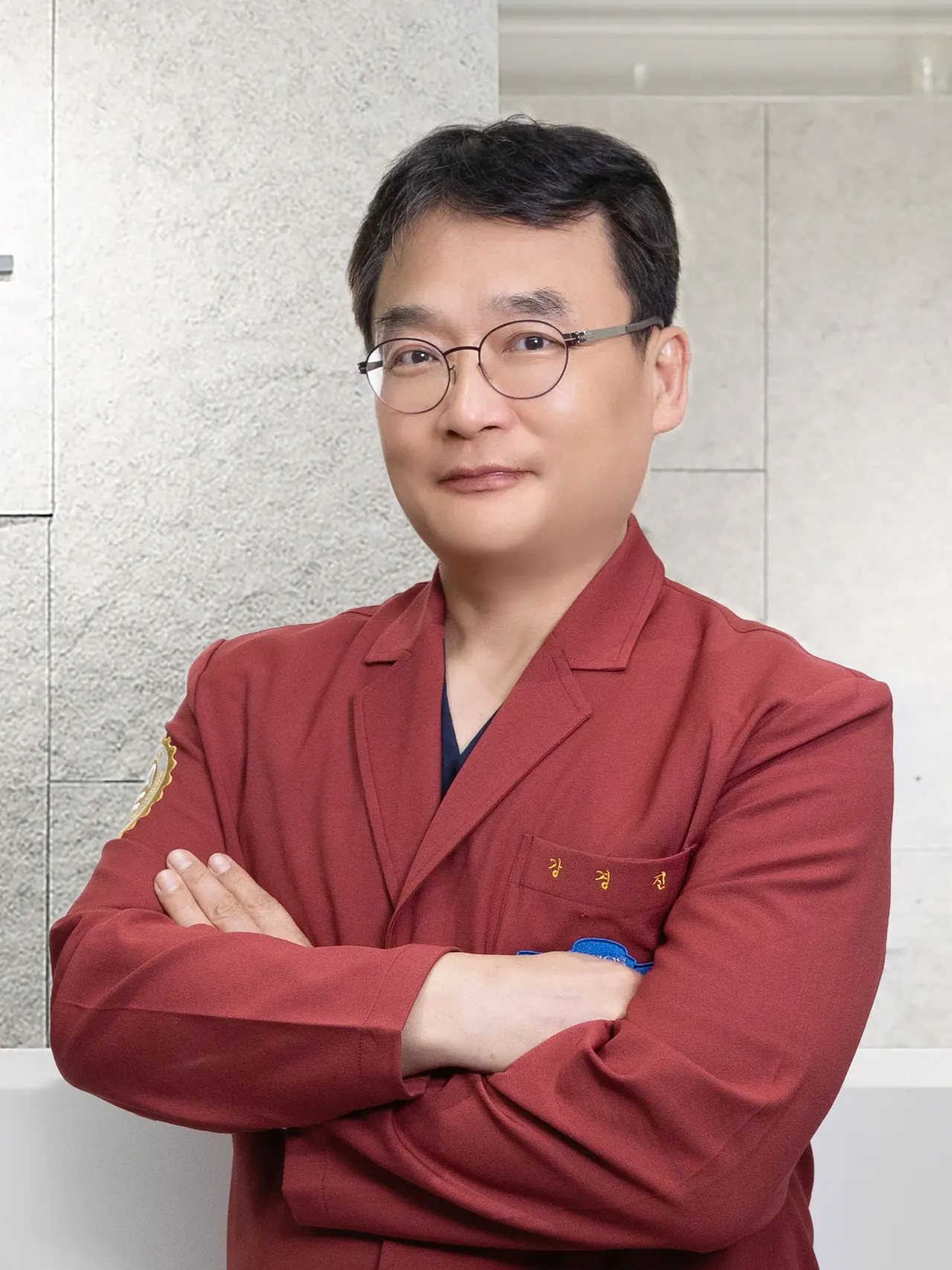
Thin skin over heavy, descended tissue is where threads tend to disappoint, because the barbs have little to hold. Firm skin with early sagging is where a PDO thread lift in Korea or anywhere else usually makes the most sense. Lifting is one of the areas Dr. Kang Kyoungjin focuses on at Pascal.
Doctor's note
I taught anatomy at a medical school before I moved into plastic surgery, and that order still shapes how I look at a face. A thread only lifts what the tissue around it can hold. Before choosing a thread, I want to understand the structure it will sit in. When the layers say surgery would serve you better, I would rather tell you that before you book a flight than after.
Send front and side photos plus your travel dates on WhatsApp
Get a free consultation in 1 minuteWhat are the risks, and who should wait?
Thread lifting is less invasive than surgery, and it still carries risk. The meta-analysis discussion above lists swelling, dimpling, numbness or tingling (paresthesia), visible or palpable threads, thread extrusion and infection.
Pascal's own guidance notes that individual results vary and that procedures carry risks such as bleeding, infection and inflammation, which your surgeon explains before you decide.
It is generally sensible to wait or rethink if any of these apply:
- an active skin infection, cold sore or inflamed acne where the threads would enter
- pregnancy
- a bleeding disorder, or blood thinners and supplements you haven't told the doctor about
- sagging heavy enough that threads would lift very little
- an event or photo shoot within the first week, while dents and bruising may still show
The exam decides suitability. Individual results vary, and a short trip leaves less room to deal with a problem in person, which is one more reason to plan the buffer days.
Flying home with new threads: what to pack and plan
Take your records with you, and know who will see you at home if something changes. The CDC's guidance on medical tourism advises getting copies of all your medical records from the clinic before you leave and arranging follow-up care in your home country.
A short packing and paperwork list for a PDO thread lift in Korea:
- a written note of what was done: thread type, areas treated, and the date
- any medicines you were given, in their original packaging
- soft food for the first days, since chewing can feel sore
- a scarf or mask for the flight if bruising bothers you
- the clinic phone number, +82-2-2135-1406, saved in your phone
Once home, increasing redness, warmth, discharge, fever or a thread end poking through the skin are reasons to see a doctor locally without waiting, and to message the clinic with a photo.
Before you book the flight
On WhatsApp, send clear front and side photos of your face, the area that bothers you, and the dates you're considering. The doctor reviews them, and the plan is confirmed at your in-person exam in Seoul.
If threads look like the wrong tool for your face, that is worth hearing on WhatsApp before a PDO thread lift in Korea becomes a booked trip.
Send front and side photos plus your travel dates on WhatsApp
Get a free consultation in 1 minuteFrequently asked questions
Is a PDO thread lift considered surgery?
No. A thread lift is a non-surgical procedure that places absorbable threads under the skin through small entry points. It still carries risks such as swelling, dimpling, infection and thread extrusion, so suitability is decided at an in-person exam.
How soon can I fly home after a thread lift in Seoul?
Many people plan a flight a few days after treatment, but your doctor makes that call for your case. Keep at least one open day between treatment and departure, and avoid scheduling treatment right before a Sunday or public holiday, when the clinic is closed.
Does a thread lift work for the neck or chin?
Threads can be placed in different areas, including the jawline and neck, but results depend on skin thickness and how far the tissue has descended. When the neck skin is very loose, a surgical neck lift is often discussed instead. The exam decides which applies to you.
What happens to PDO threads over time?
Polydioxanone is a biodegradable suture material that the body breaks down by hydrolysis and reabsorbs. As the barbs dissolve, early dents tend to fade. Ask your doctor which thread material is planned for your face.
What should I bring to a thread lift consultation in Seoul?
Bring a list of your medicines and supplements, any history of previous fillers or threads, and your travel dates. Clear front and side photos sent on WhatsApp before the trip let the doctor look at your case first.
This article is general information, not medical advice. Individual results vary, and surgery carries risks such as bleeding, infection and inflammation. Your surgeon confirms suitability at an in-person exam. Read the medical disclaimer.
Eyelid surgery · Fat grafting · Lifting · Fillers · Skin