"Is a Korea thread lift basically a facelift without the scar?" That question often comes from someone whose surgeon at home has already said threads won't be enough. The short answer is no. A Korea thread lift places absorbable medical threads in the dermis or the deeper SMAS layer to lift sagging skin. A facelift lifts the skin and the SMAS layer through an incision in front of or inside the ear. They do different jobs, and your exam decides which job your face needs.
Below are the beliefs that tend to travel with the phrase "thread lift in Korea", each set against what a thread physically does under the skin.
Is a Korea thread lift a different technique from threads back home?
No. A Korea thread lift works on the same principle as anywhere else: a thread is placed under the skin, grips the tissue and is tensioned to pull a segment of soft tissue upward. The result depends on the thread type, the layer it sits in and the face it goes into. Geography doesn't change the physics.
On Pascal's menu you'll see two names, COG and Mint threads. COG is the general term for threads with small barbs or cones along their length, which catch the tissue when the thread is pulled. If you've searched "PDO thread lift Korea", PDO (polydioxanone) is a dissolvable suture material long used in surgery, and many lifting threads are made from it. Which thread, how many and at what depth are decisions made on your face, not from a menu.
The part of the belief that holds up: a Korea thread lift needs no incision line. That's a large part of why people planning a short trip to Seoul look at it first.
What a thread can hold, and what it can't
A thread works most predictably where skin is only moderately loose: early jowls, a softening jawline, mild cheek descent. When heavy skin, descended fat and deep folds sag together, a thread anchored under the skin has limited grip, and the lift it creates is smaller and shorter-lived.
The American Society of Plastic Surgeons describes thread lifts as absorbable, barbed sutures aimed at wrinkles and early jowls, with candidacy set at consultation.
Picture a hook in a curtain. In light fabric it holds a fold neatly. In a heavy drape it either slips or puckers the cloth around it. Facial tissue behaves in a similar way, which is why the amount and weight of sagging matter more than your age.
Here is how the lifting options on Pascal's menu differ by mechanism:
| Option | What it works on | Usually considered when |
|---|---|---|
| Thread lifting (COG, Mint) | Absorbable threads in the dermis or SMAS layer pull tissue upward | Sagging is mild to moderate and you want no incision |
| Ultherapy / Ultherapy Prime | Focused ultrasound heats deeper layers without cutting | You want tightening without threads or incisions |
| Renuvion | Energy-based skin tightening | Skin laxity is the main issue |
| Facelift & neck lift (SMAS) | Skin and SMAS lifted through an incision at the ear | Sagging is heavier or non-surgical lifting wasn't enough |
If you're weighing devices rather than threads, our comparison of Ultherapy and Ultherapy Prime covers that choice in more detail.
Do the threads stay in your face for good?
No. The threads Pascal lists for lifting are absorbable, so they dissolve over time and the mechanical lift fades with them. How long a given result lasts varies from face to face, and no one can promise a duration at the consultation.
There is a subtle point here that forum threads rarely mention. A commentary on thread-lift complications in Aesthetic Plastic Surgery, written by a surgeon who discloses a patent on his own thread technique, argued that some early dimpling is part of a lift that actually holds, and that with no dimpling at all the result is unlikely to be significant or lasting. He also noted that dimpling generally fades as the barbs or cones dissolve.
The same author warned against treating non-dissolving and dissolvable threads as one product. If someone abroad offers you threads that "never come out", ask exactly what material they are.
More sagging rarely means more threads
If a surgeon at home told you threads won't be enough, the reason is usually mechanical rather than a matter of skill or caution. Adding threads to heavy tissue adds entry points and anchors, and with them more chances of dimpling, irregularity or a thread you can feel, while the heavy layer itself barely moves.
That doesn't automatically mean a facelift. A few situations come up again and again in lifting consultations:
- The brow, not the cheek, is falling. When drooping brows make the eyes look heavy, an incisional forehead lift treats brow position and forehead lines together. Pascal's published schedule lists about 90–120 minutes under sleep or general anesthesia, with stitches out around 7–10 days later.
- Cheeks, jawline and neck sag together. A facelift and neck lift lifts the SMAS layer as well as the skin. Surgery takes about 2–3 hours, stitches are removed 7–10 days after surgery, and most people return to routines in 10–14 days.
- The sagging is mild but the skin is thin and lax. Here a device such as Ultherapy or Renuvion may be discussed alongside threads, or instead of them.
Two surgeons can still disagree about the same face. One may have seen only photos; another pinched the skin and watched how the jowl moved when the cheek was lifted. Your own goal changes the answer too. Someone who wants a subtle refresh for a wedding and someone who wants a sharp jawline for years are asking for different things.
Doctor's note
I taught anatomy before I operated, and I still read a face layer by layer. A thread sits in one layer and pulls in one direction, so I want to know what lies above it, what lies below it and how heavy that tissue is. When the weight sits deeper than a thread can reach, I would rather say so at the first visit than watch someone fly home with a lift that fades early.
Send front and side photos on WhatsApp
Get a free consultation in 1 minuteRisks and side effects of a Korea thread lift
Swelling is the most frequently reported problem, followed by dimpling, numbness or tingling, threads working their way out, infection, and threads you can see or feel. That ordering comes from a meta-analysis of facial thread-lift complications, as summarized in the Aesthetic Plastic Surgery commentary above. Most are temporary. Some are not.
What each one usually means in practice:
- Swelling. The commentary describes it as usually settling within about two weeks. If you're searching "two weeks after thread lift" because you're still swollen, that's the point to send a photo to your doctor.
- Dimpling or puckering. Often settles as the threads dissolve. When it persists and bothers you, massage or a small release procedure (subcision) are described as remedies.
- A thread end you can feel or see. It can surface near an entry point and may need removal.
- Infection. Spreading redness, heat or increasing pain are reasons to be seen, not to wait.
- Numbness or tingling. Usually temporary, and worth reporting if it doesn't improve.
Most "thread lift gone wrong" stories describe visible irregularities rather than serious injury. Surgery carries its own list. For facelift, the American Society of Plastic Surgeons names bleeding, infection, facial nerve injury with weakness and unfavorable scarring among the possible risks, while describing them as rare.
Threads are usually a poor fit if you have an active skin infection in the area, if you expect a facelift-level change from a non-surgical option, or if the main problem sits deeper than a thread can reach. Individual results vary, and your surgeon confirms suitability at an in-person exam.
Can you fly home soon after a thread lift in South Korea?
Plan the trip around the checks your doctor wants, not around how quickly the procedure itself is done. Ask for the follow-up schedule before you book flights, and leave room for a check if swelling or an exposed thread end needs attention.
For surgical options, the published schedule does the planning for you. A facelift involves stitch removal 7–10 days after surgery plus 2–3 check-ups, and a forehead lift involves stitch removal plus 1–2 check-ups. If your stay must end on a weekend, note that the clinic opens Saturday 10:00–17:00 and is closed on Sundays and public holidays.
Medical tourism guidance from the U.S. Centers for Disease Control and Prevention asks travelers to bring copies of their medical records home and to plan for follow-up care there. For a thread lift in Korea, that means leaving with a note of which threads were placed and where, so a doctor at home knows what they are looking at.
The first visit in Sinsa and what gets checked
A Korea thread lift exam is mostly hands. The doctor pinches the skin to judge its thickness, lifts the cheek with a fingertip to see how far the jowl follows, and checks where the fat pads have descended. Brow position and the neck get looked at too, because the problem you notice in the mirror isn't always where it starts.
These findings decide the fork described above: threads alone, threads with a device, or a surgical lift. At Pascal Clinic, Dr. Kang focuses on eyelid surgery, fat grafting and lifting, while Dr. Bae and Dr. Han focus on facelift. You meet your surgeon at your consultation. You can read more about Dr. Kang's background in anatomy.
The clinic is at 157 Dosan-daero, Sinung Tower Two (6F–8F), in Sinsa-dong, Gangnam-gu, a short walk from Sinsa Station (Line 3 · Shinbundang Line), Exit 8. Weekday hours are Mon–Fri 10:00–19:00.
Before you plan anything, send clear front and side photos on WhatsApp, with one line on what bothers you most: jowl, jawline or brow. A coordinator passes them to your surgeon, who replies with realistic options. The plan is confirmed at the in-person exam. If threads alone won't reach your goal, that's worth knowing before you book a flight.
Send front and side photos on WhatsApp
Get a free consultation in 1 minuteFrequently asked questions
What is a thread lift?
A thread lift places absorbable medical threads under the skin, in the dermis or the SMAS layer, to lift mildly sagging tissue. It needs no incision line. The threads dissolve over time, so the lift is smaller and less lasting than a surgical facelift.
Is a PDO thread lift different from a COG thread lift?
PDO describes the material, polydioxanone, a dissolvable suture material. COG describes the shape, a thread with small barbs or cones that grip tissue. A single thread can be both, so ask your doctor about the material and the design of the threads proposed for you.
Is it normal to still be swollen two weeks after a thread lift?
Swelling is the most commonly reported effect after a thread lift and often settles within about two weeks. If you are still swollen at that point, or swelling comes with redness, heat or rising pain, send your doctor a photo and ask whether you should be seen.
Can threads lift the neck or the chin area?
Lifting threads are used along the jawline and upper neck in aesthetic medicine generally. Whether they suit your neck depends on skin thickness and how far the tissue hangs. Heavier neck laxity is usually discussed together with a facelift and neck lift.
Can a thread lift be combined with Ultherapy?
Threads and focused ultrasound work on tissue in different ways, so they are sometimes discussed together for mild to moderate sagging. Whether combining them makes sense for you, and in what order, is decided at the in-person exam.
This article is general information, not medical advice. Individual results vary, and surgery carries risks such as bleeding, infection and inflammation. Your surgeon confirms suitability at an in-person exam. Read the medical disclaimer.
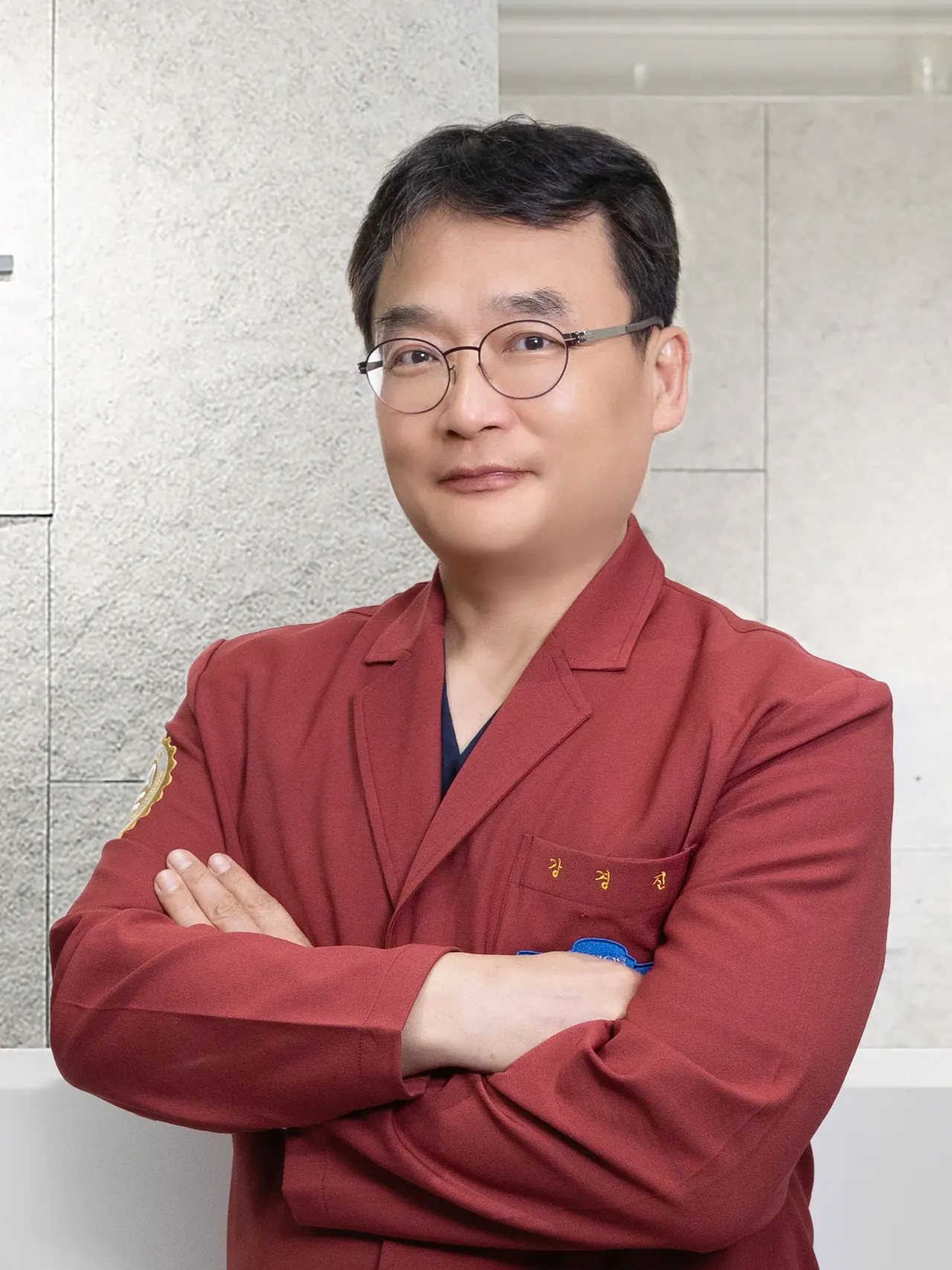
Eyelid surgery · Fat grafting · Lifting · Fillers · Skin