
Reading Korea lower blepharoplasty reviews and complaints and wondering if the bad stories could happen to your own under-eyes?
Read this before you shortlist a clinic or book the flight.
You'll learn which complaints point to a real surgical problem and which describe early swelling. You'll also see how the methods differ, what decides the cost and what recovery asks of your trip. Then you can check a clinic against your own lower lids and your budget.
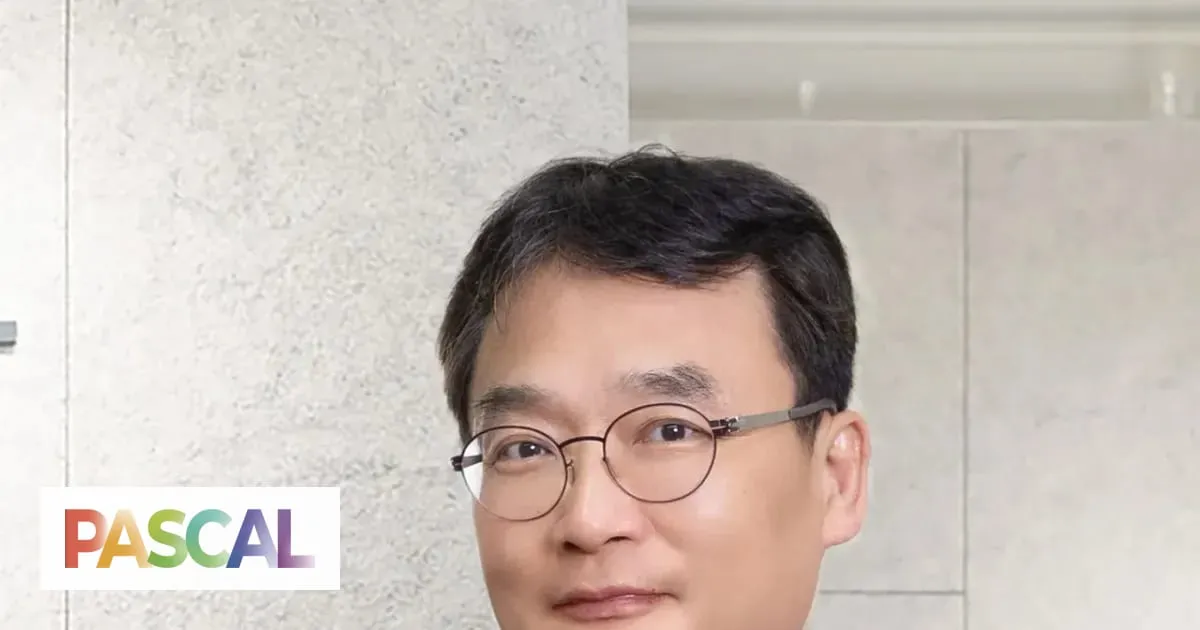
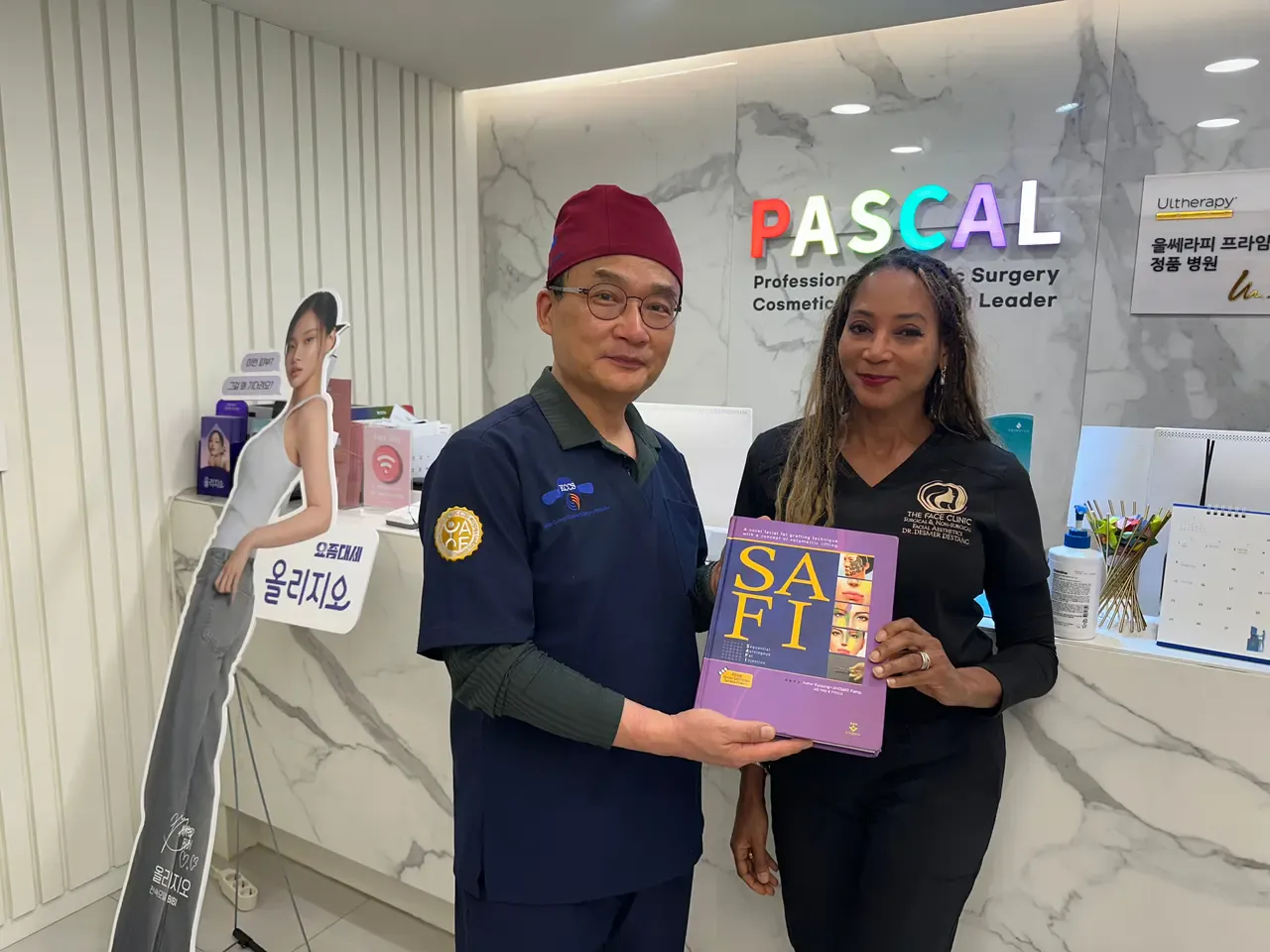
Hello, I'm Dr. Kang Kyoungjin, Representative Director of Pascal Clinic in Seoul.
I came to surgery from anatomy. I hold a PhD in anatomy and I'm a former professor of anatomy at Daegu Catholic University School of Medicine. Lower blepharoplasty is on my treatment list. Our price list is published on the website in Korean won, before 10% VAT. Plastic surgery, dermatology and jaw surgery share one building near Sinsa Station Exit 8.
I wrote this because people often judge a clinic by how angry or happy its reviews sound. The more useful question is what was done to the lower lid, and whether the lid kept its support.
Three complaints deserve to be taken seriously: a lower lid that pulls down, a hollow look from too much fat removed, and bags that come back. Most other complaints describe swelling and bruising judged too early. You check a clinic by who examines your lid, whether they test its support, and what the plan is once you're home.
If one of those three complaints is the one that scares you, send a front photo and a photo taken while looking up, in daylight, on WhatsApp. Ask which of those risks applies to your eyes.
Send a front photo of your under-eyes on WhatsApp
Get a free consultation in 1 minuteWhat do lower blepharoplasty reviews complain about most?
Most Korea lower blepharoplasty reviews and complaints on forums repeat the same few claims. Some match what we know about how the lower lid heals. Others are about timing, and they fade on their own.
| What reviews often claim | Medically | What sits behind it |
|---|---|---|
| My eyes looked worse in the first week | Usually true and expected | Swelling and bruising peak early, then settle |
| I look hollow now | It can happen | Fat was removed where the groove under it needed volume |
| My lower lid pulls down and shows white under the iris | It can happen, and it matters | The lid lost support after skin or fat was taken |
| The bags came back | Partly true for some | Removed fat doesn't regrow, but ageing continues |
| Surgery from inside the lid leaves no scar | True for the skin | The cut is inside the lid, but it can't remove extra skin |
When a review is posted matters. Posts written in the first couple of weeks are mostly about swelling. Posts written months later, about lid position, hollowness or shape, are the ones worth reading closely.
Why the lower lid behaves differently from the upper lid
An eyelid is a moving mechanism. The lower lid is held against the eye by a tendon at each corner and by its own tension. It shifts every time you blink, smile or look up.
Under-eye bags are fat sitting behind a thin wall that has weakened and bulged forward. When surgery takes out fat or skin, the lid has less behind it and sometimes less holding it up. If the lid was already lax, it can sag and pull away from the eye. That is the complaint that is hardest to correct later.
This is why surgeons commonly check lower lid laxity before planning anything. A typical test is gently pulling the lid away from the eye and watching how quickly it snaps back. A slow return tells you more about the right plan than the size of the bags does.
Doctor's note
For me, function comes before appearance. A lower lid that looks smooth in a photo but no longer sits snugly against the eye has failed at its job, and you'll feel it as dry, watery or irritated eyes before you see it in the mirror. I'd rather leave a little fullness than take away support the lid needs. Good results start from knowing the structure exactly, not from feel.
Lower blepharoplasty methods and who each one suits
On our menu the procedure is called lower blepharoplasty and under-eye fat repositioning. It treats under-eye bags, hollows and lower lid laxity, and which approach fits depends on what your under-eye area has. In general terms, surgeons choose among three ideas.
The inside-the-lid route (transconjunctival) reaches the fat through the inner lining of the lid. There is no skin incision, so it tends to suit people with bags but little extra skin.
The under-the-lashes route (transcutaneous) adds an incision just below the lash line. It lets the surgeon also deal with extra skin and lax muscle, and it leaves a fine line that usually becomes faint. If an earlier operation left a scar you dislike, that is a different question, covered in our scar revision surgery guide.
Fat repositioning moves the bulging fat down into the groove beneath it, the tear trough. It helps when a bag and a hollow sit right next to each other.
Say you're in your mid-thirties with bags that show in every photo, a shadowed groove beneath them and skin that still snaps back. I'd lean toward working from inside the lid and moving the fat into the groove instead of discarding it, because removal would deepen the shadow you already have.
Now say you're in your late fifties with loose, crepey skin and a lid that returns slowly. Then I'd want to talk about supporting the lid before talking about removing anything. Loose skin raises the same question of removal versus support in other areas, as in arm contouring for loose skin.
How do you check a Korean clinic before you fly?
Korea lower blepharoplasty reviews and complaints tell you what to ask. They can't tell you how a clinic will examine your lid. Ask these questions directly, before you book anything.
- Who examines you and who operates? Ask for the surgeon's name and look up their profile page. At Pascal you meet your surgeon at your consultation.
- How will they check lid support? Ask how they will test your lower lid laxity and what result would change the plan.
- Remove or reposition? Ask which they would do with your fat, and why.
- Is the price list published, and when is the quote final? Ours is published in Korean won, before 10% VAT, and final quotes follow your exam.
- What happens once you're home? Ask who you contact if the lid looks pulled down weeks later. The CDC's medical tourism advice includes taking copies of your medical records and arranging follow-up care at home before you travel.
- Can they handle revision? Pascal treats revision cases for eyelids, noses and scars.
If you've had eyelid surgery before, put the year and what was done into your WhatsApp message, along with your travel dates. Ask whether those dates leave room for the exam and the checks after surgery.
Send a front photo of your under-eyes on WhatsApp
Get a free consultation in 1 minuteWhat does recovery look like when you fly home?
For many people, swelling and bruising peak in the first few days and fade over the first couple of weeks. If you have the under-the-lashes approach, skin stitches are usually removed within about a week. The inside-the-lid approach often needs no skin stitches. Fine swelling can keep settling for longer than the bruising.
We're closed on Sundays and public holidays, so count those out when you plan your exam and check days. Ask at booking how many days your approach needs before flying, and leave a spare day. Keep your head raised on the plane and follow the cold-compress instructions you're given.
If you're planning another treatment on the same trip, such as Mira Dry for underarm sweating, raise it at the consultation so both fit your days in Seoul.
Risks and side effects to know
Common and temporary: swelling, bruising, a tight feeling, watery or dry eyes, blur from ointment, and some early unevenness while swelling settles. These usually ease over the first weeks. Surgery also carries risks such as bleeding, infection and inflammation. The American Society of Plastic Surgeons lists dry eyes and difficulty closing the eyes among eyelid surgery risks. Less common are a lower lid that pulls down or turns outward, a hollow look, leftover bags or a visible scar line. Rarely, bleeding behind the eye can threaten vision.
As general medicine, you may need to wait or reconsider if you have an eye infection or inflammation now, untreated dry eye, recent eye surgery, active thyroid eye disease, a bleeding disorder, or you take blood thinners. Pregnancy and breastfeeding are usually reasons to wait. Tell your surgeon about every medicine you take.
If you notice sudden pain, a change in vision or rapid swelling on one side after flying home, go to a local emergency department the same day. For a lid that seems to pull down weeks later, send photos to the clinic and see a local eyelid surgeon, with your records in hand. Your surgeon confirms suitability at an in-person exam. Individual results vary.
What decides the cost of lower blepharoplasty in Korea?
- The approach. Inside the lid, under the lashes, or a combination.
- Fat repositioning. On our price list a plus sign marks an add-on priced on top of the main procedure, such as fat repositioning added to eyelid surgery.
- Anesthesia and anything combined with it on the same day.
- Your days in Seoul, which set your lodging and travel time.
The published list is in Korean won, before 10% VAT, and the final quote follows your exam. To get a figure for your own lids, ask on WhatsApp what it would cost for your case.
One front photo in daylight is enough to start a WhatsApp message, and the question to send with it is the complaint that worries you most. A coordinator passes your photos to your surgeon and replies with options and the matching price-list lines. When you come to Seoul, your surgeon examines your lower lids in person and recommends the approach that fits them.
Frequently asked questions
Will lower eyelid surgery leave a visible scar?
Surgery from inside the lid leaves no skin scar. The under-the-lashes approach leaves a fine line just below the lashes that usually becomes faint over time, though how it heals differs from person to person.
Can a hollow or pulled-down lower lid from earlier surgery be revised?
Pascal treats revision cases for eyelids, noses and scars. Send your photos and the details of your previous surgery, and the team will tell you whether a revision is likely to help.
Which doctor does lower eyelid surgery at Pascal?
Dr. Kang focuses on eyelid surgery, fat grafting and lifting, and Dr. Bae focuses on scar reconstruction, facelift, nose and eyelid surgery. You meet your surgeon at your consultation.
Are the prices on Pascal's website final?
They are the clinic's published list prices in Korean won, before 10% VAT.
Do under-eye bags come back after surgery?
Fat that has been removed does not grow back, but the face keeps ageing, so some fullness can reappear over the years. Repositioning fat into the groove is one way surgeons try to keep the area even.
This article is general information, not medical advice. Individual results vary, and surgery carries risks such as bleeding, infection and inflammation. Your surgeon confirms suitability at an in-person exam. Read the medical disclaimer.

Eyelid surgery · Fat grafting · Lifting · Fillers · Skin