Are you searching for the best Korean acne scar treatment and finding lists that never say which scars they are for?
It is worth reading on before you book a flight or pick a method.
After this post you will know what decides the cost of scar treatment in Seoul, what forum reviews tend to leave out, and which methods suit which kind of scar. That should help you decide what to ask before you commit.
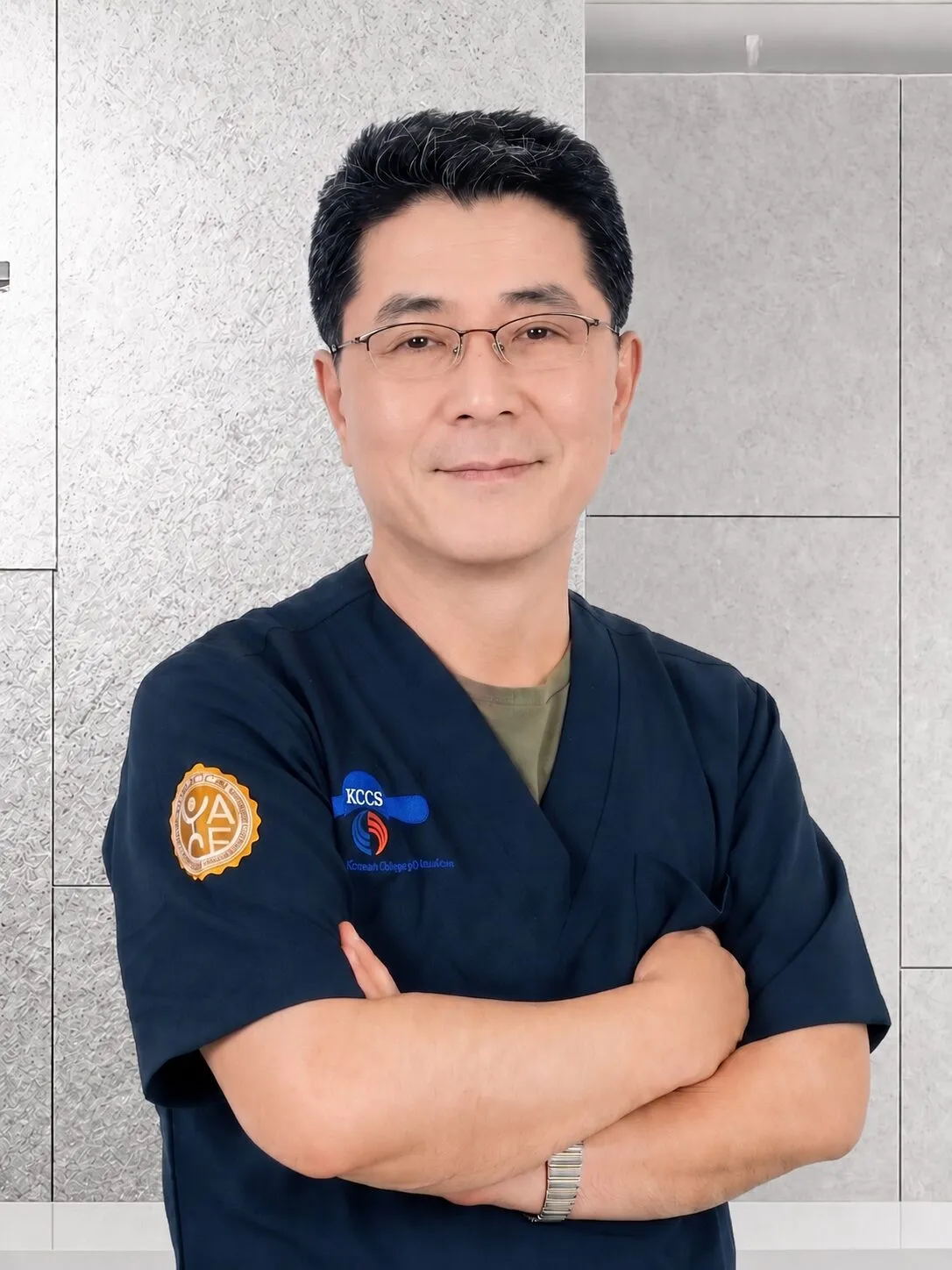
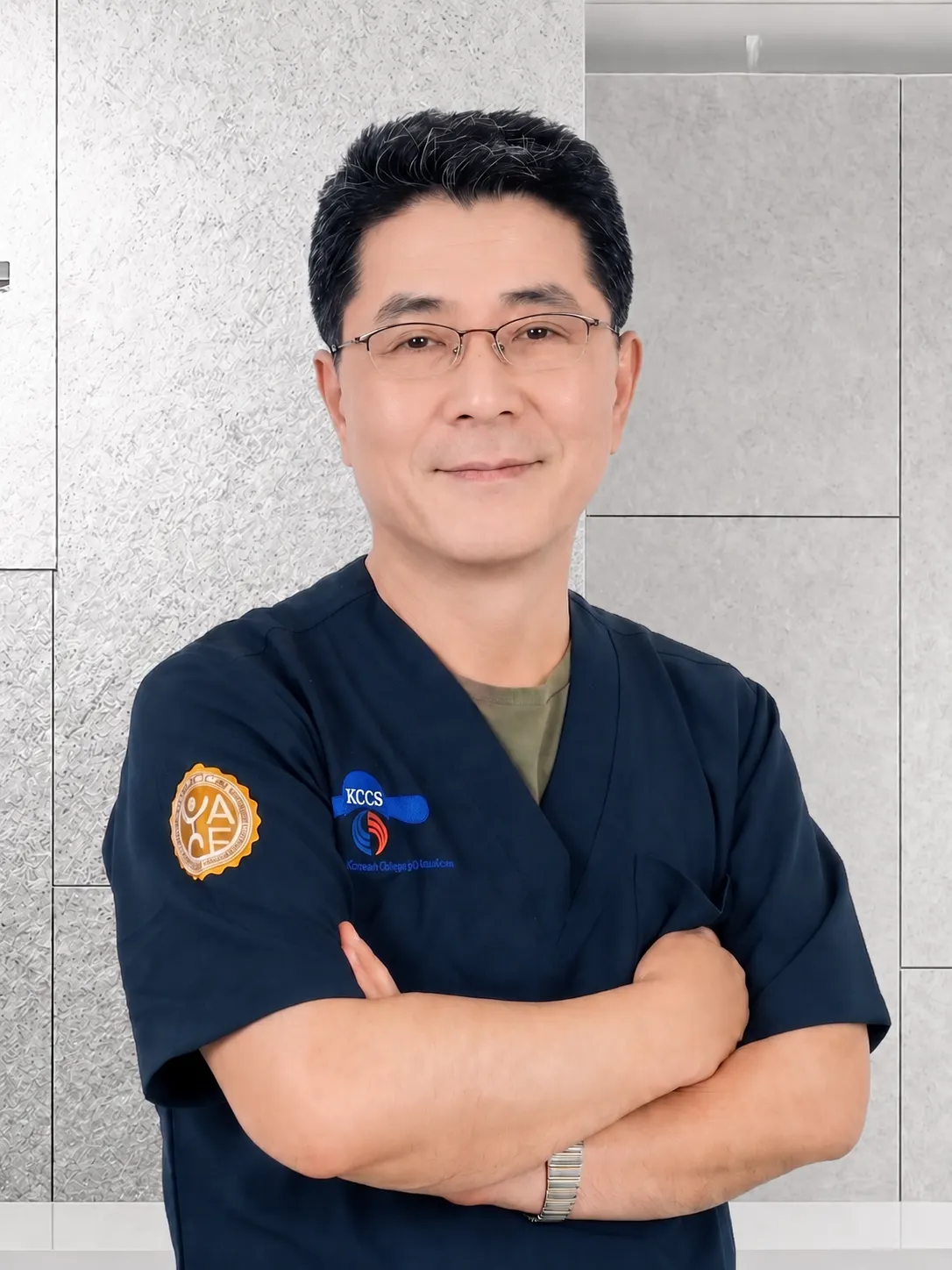
Hello, I'm Dr. Bae Seung-joo, Director of Pascal Clinic.
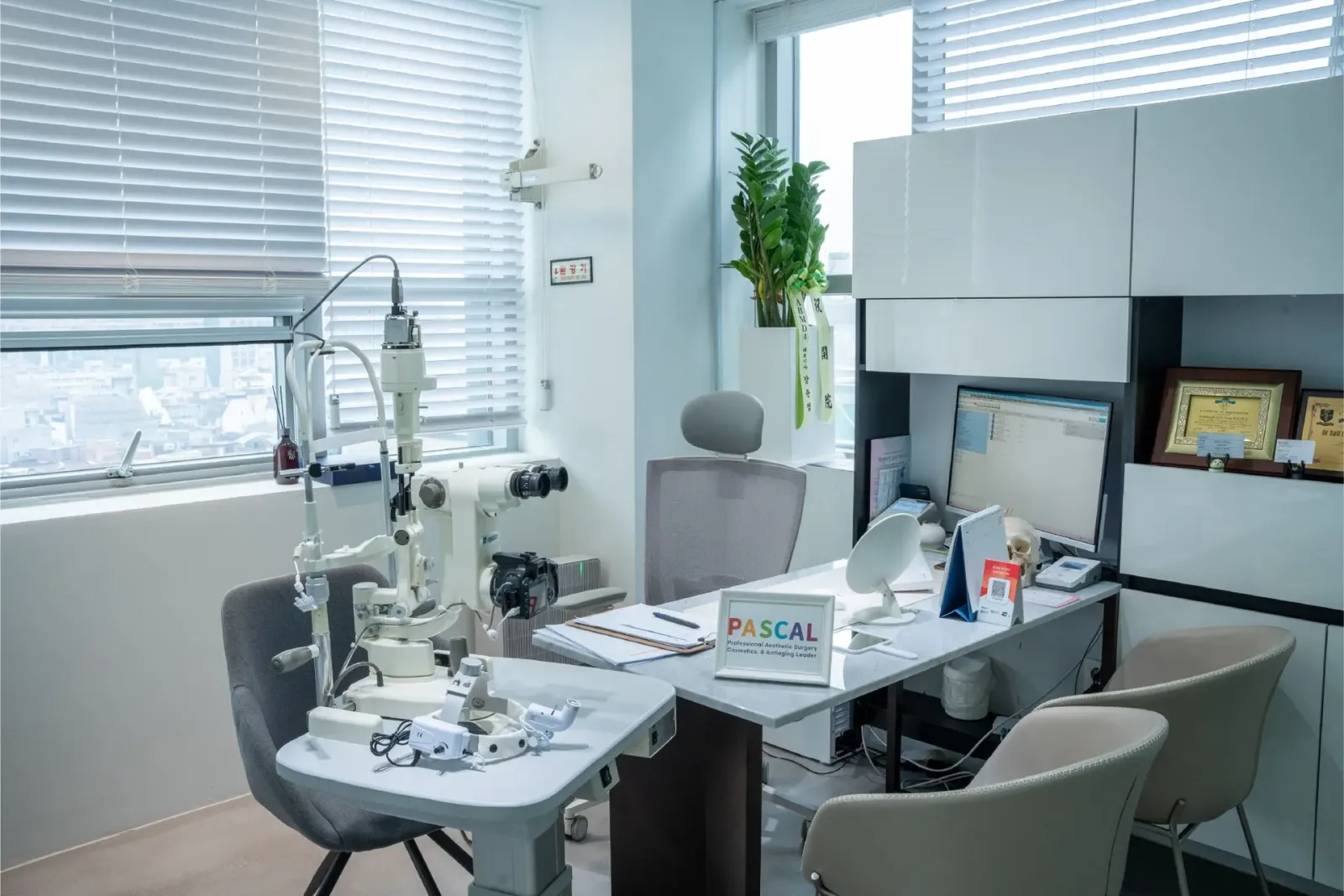
Pascal is in Gangnam, a short walk from Sinsa Station. Scar revision at the clinic is chosen from the shape, depth and location of each scar, and my own focus is scar reconstruction. You can also get a first opinion from home by sending photos on WhatsApp.
I wrote this because many people treat "acne scars" as one problem, when pitted, flat-marked and raised scars each respond differently.
So the honest answer is that no single treatment is best. The right one depends on which scar types you have.
Send your scar photos and travel dates on WhatsApp
Get a free consultation in 1 minuteWhy forum lists for the best Korean acne scar treatment mix up two problems
One is how to calm active breakouts and fade the flat red or brown marks they leave. The other is how to soften a scar that sits below or above the skin surface.
Korean face washes, spot treatments and serums belong to the first question. They can help active acne, and with daily sun protection, flat discolouration often fades over months. They can't rebuild the collagen lost under a depressed scar. That's why the skincare half of a "best acne scar treatment Korean" thread and the clinic half rarely agree.
The American Academy of Dermatology describes acne scar treatment as matched to the type of scar, and notes that many people need more than one method. Read a thread with that in mind. A product that cleared someone's post-acne redness tells you little about rolling scars, and a Korean acne treatment for breakouts is a different plan from scar work.
Which kind of acne scar do you have?
Five patterns cover most faces, and one cheek often shows three of them. The table lists what dermatology guidance commonly discusses for each. Treat it as a map for the consultation.
| Scar type | What you see | Approaches commonly discussed |
|---|---|---|
| Icepick | Narrow, deep pits | Punch techniques, sometimes laser |
| Boxcar | Wider dents with sharp edges | Laser resurfacing, punch techniques, filler |
| Rolling | Soft, wavy dips | Subcision, filler, microneedling |
| Raised (hypertrophic or keloid) | Firm bumps above the skin | Injections, laser, sometimes surgery |
| Flat marks | Red or brown colour, no dent | Time, sun protection, skincare |
The AAD's page on microneedling for scars says it can fade acne scars, and that results build gradually over a series of treatments.
Raised scars are their own category. Pascal's scar page lists cause, depth, direction, height compared with nearby skin, and skin tension as the things that make one scar look different from another.
Doctor's note
An acne scar that looks like one problem in the mirror is often three problems side by side: a pit, a rolling dip and a brown mark. Each one answers to a different tool, and the order of treatment matters. Angled light shows depth that a straight-on phone photo hides. So I treat a photo as the start of a conversation about your skin, and the plan comes later.
Say you have shallow pitted scars on both cheeks, a few raised marks along the jawline, and you live abroad with only a week to spend in Seoul. I would not start by naming a method. I would first look at how deep each pit goes, whether the skin is tethered beneath it, and whether any acne is still active. Then I would sort the scars by type, because the cheeks and the jawline may need different approaches.
I would also ask how much time you can spend here, since that shapes what can be done in one visit and what has to wait.
What forum threads usually leave out
Three things rarely make it into a "Korean acne scar treatment" thread, and all three change the plan.
Skin tone. Resurfacing lasers carry a higher risk of dark patches after treatment in medium to dark skin, which changes the settings and sometimes the method. Mention any dark marks you've had after acne or small injuries.
Active acne. Treating scars while new breakouts keep forming means aiming at a moving target. Most doctors want active acne controlled first, and that can push the scar plan back by months.
Time between sessions. Many scar methods need repeat sessions with weeks of healing in between. A post that reports one session in Seoul is usually describing the first step of a longer plan.
Questions to ask in the consultation, and what the answers mean
Whatever a list calls the best Korean acne scar treatment, these six questions do most of the work. A good answer is specific to your face. If an answer is vague, ask again.
- Which scar types do you see, and where? A useful answer names types by area, such as rolling scars on the cheeks and icepick scars at the temples. "Acne scars" as one diagnosis is too broad to plan from.
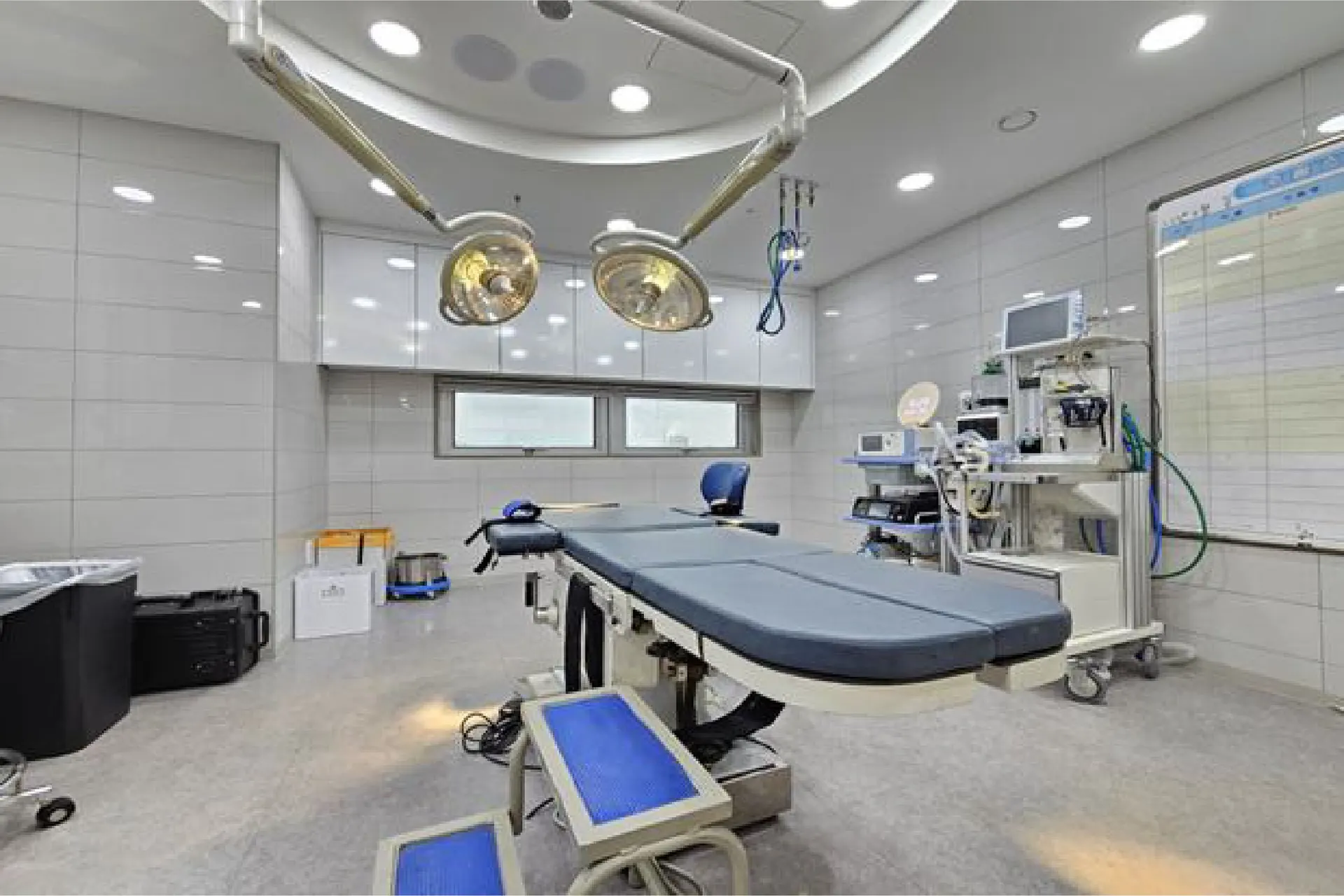
- Is this a surgical or a non-surgical problem? Some deep or raised scars respond to excision or revision, while many shallow ones never need surgery. Pascal's scar revision surgery page covers both routes, chosen from the scar's shape, depth and location.
- How many sessions, and how far apart? The answer tells you whether one trip is the start or the whole plan. If it's the start, ask what your skin needs at home between visits.
- What will my skin look like on day 2 and day 7? Ask about the downtime of the specific method proposed: redness, crusting, swelling or stitches.
- What happens if it heals darker or raised? Listen for how pigmentation or thickening would be spotted and treated. A reply that says it simply won't happen tells you less than one that explains the plan.
- What should I show my doctor at home? Ask for a summary of what was done and the aftercare steps, so a local dermatologist can follow it.
Will my skin be ready for the flight home?
Usually, yes, if the method is chosen with your return date in mind. Resurfacing lasers leave redness and flaking for a period afterwards, subcision can leave bruising, and surgical revision leaves stitches that need removing. Ask for the day count of the method proposed to you before you book the return flight.
The U.S. CDC's medical tourism guidance suggests arranging follow-up care at home before you travel and carrying copies of your records. For acne scar treatment in Korea, that means finding a local dermatologist before you leave who can see you if healing looks off. Book the flight for after any stitch removal or check-up your surgeon recommends.
Your return date is the detail that shapes the plan most. Send it on WhatsApp with front and side photos of your scars. A coordinator passes both to your surgeon and replies with options that match your scars and your dates.
Send your scar photos and travel dates on WhatsApp
Get a free consultation in 1 minuteWhat decides the cost of acne scar treatment in Seoul?
The cost depends on the method your scars call for. A surgical approach and a non-surgical one are planned and priced differently. The area and the number of scars matter too, since a few scars in one spot are a different job from scars across both cheeks. Depth and scar type decide whether one session is enough or several are needed. Whether anaesthesia is needed, how many days you stay in Seoul and what follow-up you need afterwards also change the total.
To get a figure for your own case, ask on WhatsApp and attach a clear daylight photo of the scarred area.
Risks, and when to wait
Every scar method has trade-offs. Individual results vary. Surgery carries risks such as bleeding, infection and inflammation. Laser and needling can cause lasting redness, dark patches or, rarely, new scarring. The American Society of Plastic Surgeons describes scar revision as making a scar less noticeable. It can't erase the scar.
Waiting is often the better choice if you still get new breakouts, if you've recently taken oral acne medication such as isotretinoin, or if you've formed raised or keloid scars before. Tell the doctor about any of these. Photos start the conversation, and your surgeon confirms suitability at an in-person exam.
Who treats acne scars at Pascal Clinic
Scar reconstruction is the focus of Dr. Bae Seung-joo, a board-certified plastic surgeon with a medical doctorate. He trained in reconstructive plastic surgery at MD Anderson Cancer Center in Houston and is a former head of plastic surgery and professor at Konyang University Hospital, Daejeon. His scar cases are published on the clinic's site. For how scar surgery itself is planned and how it heals, see the scar revision guide for Seoul.
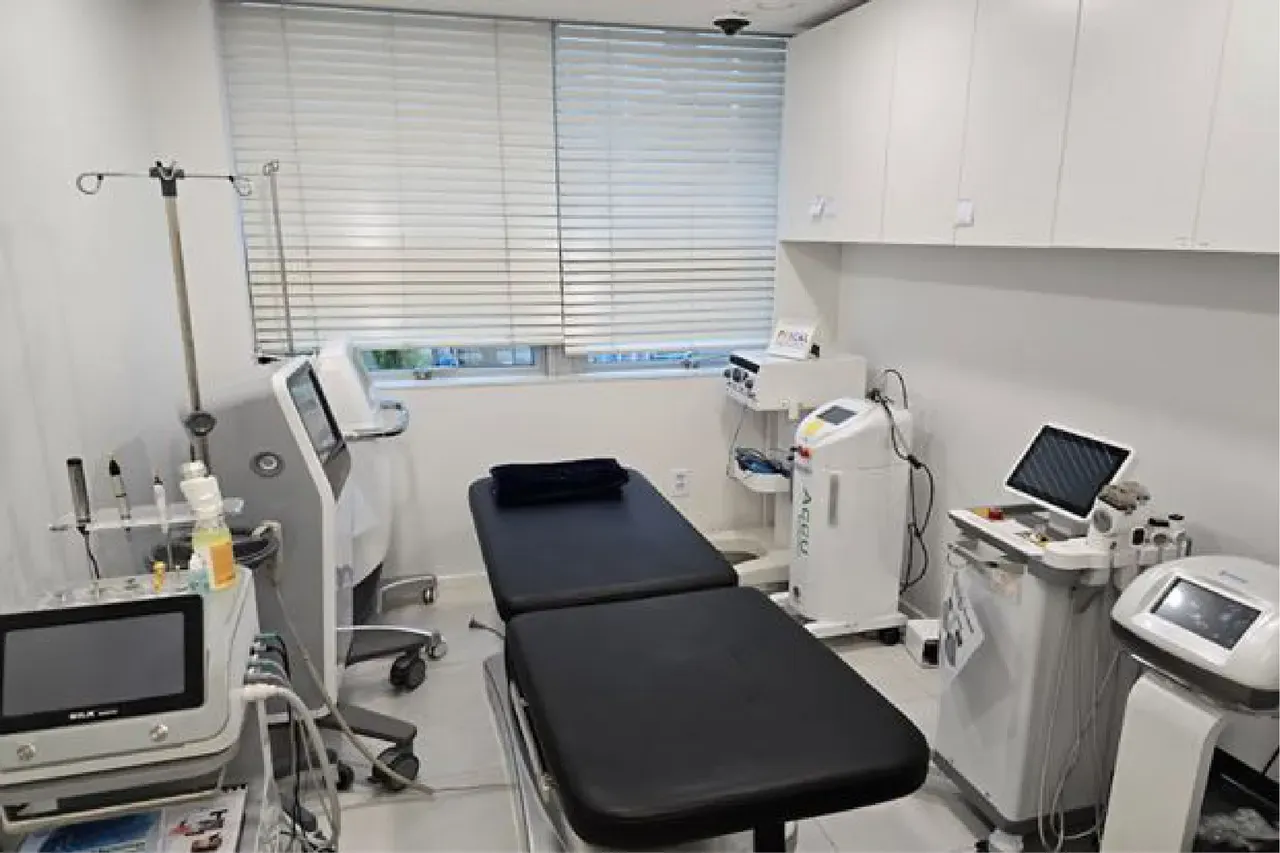
The clinic's equipment includes the UltraClear fiber laser. The exam decides whether it suits your scar types. Pascal is at 157 Dosan-daero, Sinung Tower Two (6F–8F), a short walk from Sinsa Station (Line 3 · Shinbundang Line), Exit 8. Hours are Monday to Friday 10:00–19:00 and Saturday 10:00–17:00. The clinic is closed on Sundays and public holidays, so plan around that if you land on a weekend.
To start, take two daylight photos of each scarred area without makeup, one straight on and one from the side, and send them on WhatsApp with one question: "Which of my scar types would you treat first, and what would that involve?" Pascal offers a consultation, and one photo is enough to begin, so you can ask before booking anything. A coordinator passes your photos to your surgeon and replies with the options that fit what they show.
When you come to Seoul, I will examine your skin and recommend what fits your scars.
Frequently asked questions
Can Korean skincare fade acne scars?
With sun protection, skincare can help flat red or brown marks fade over time. It can't refill depressed scars, where tissue has been lost under the skin. Those need procedures such as laser, subcision, filler or surgery, chosen by scar type.
Should I treat active acne before acne scars?
Usually, yes. New breakouts can create new scars and make the skin harder to treat, so most doctors want active acne under control first. Tell the doctor about any acne medication you take now or have recently stopped.
Do I need a doctor at home after scar treatment in Seoul?
It helps to arrange one before you travel. Bring a summary of what was done and your aftercare instructions. A local dermatologist can then check healing if redness, swelling or darkening lasts longer than you were told to expect.
What should my photos show when I message the clinic?
Take them in daylight, without makeup: one straight-on view and one side view of each scarred area. Light from the side shows depth that flat, straight-on light hides, so include at least one angled shot.
This article is general information, not medical advice. Individual results vary, and surgery carries risks such as bleeding, infection and inflammation. Your surgeon confirms suitability at an in-person exam. Read the medical disclaimer.
Scar reconstruction · Facelift · Rhinoplasty · Eyelid surgery · Skin