Searching for "best korean acne treatment" usually comes down to matching the treatment to the stage your skin is in: active breakouts are brought under control first, and the scars they leave are a separate job that starts afterwards. If you're flying to Seoul for it, the worry most people carry is the flight home, when a red or healing area sits a long way from the clinic that treated it. A clinic you can trust will say "not yet" to scar work while new spots are still appearing.
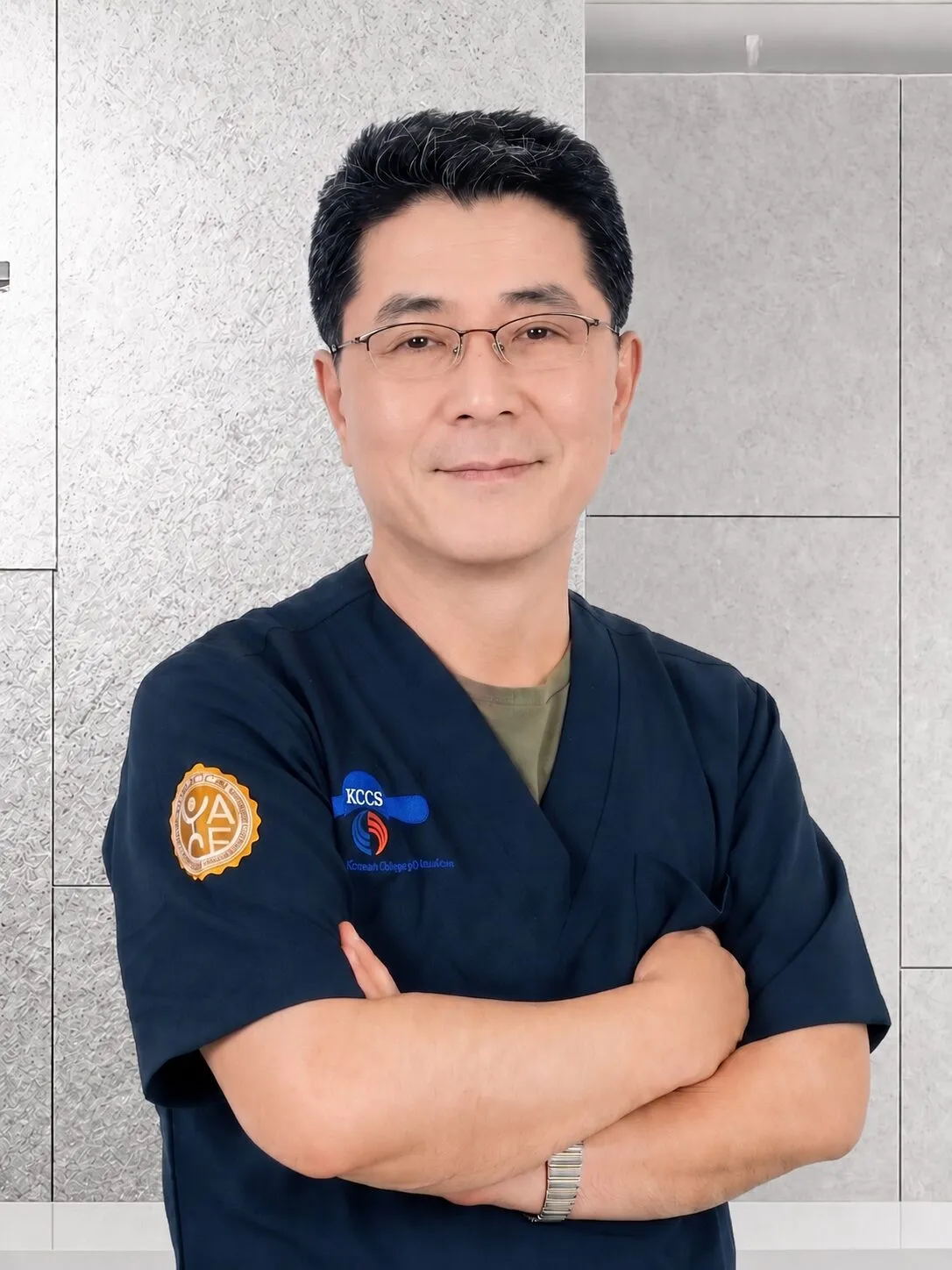
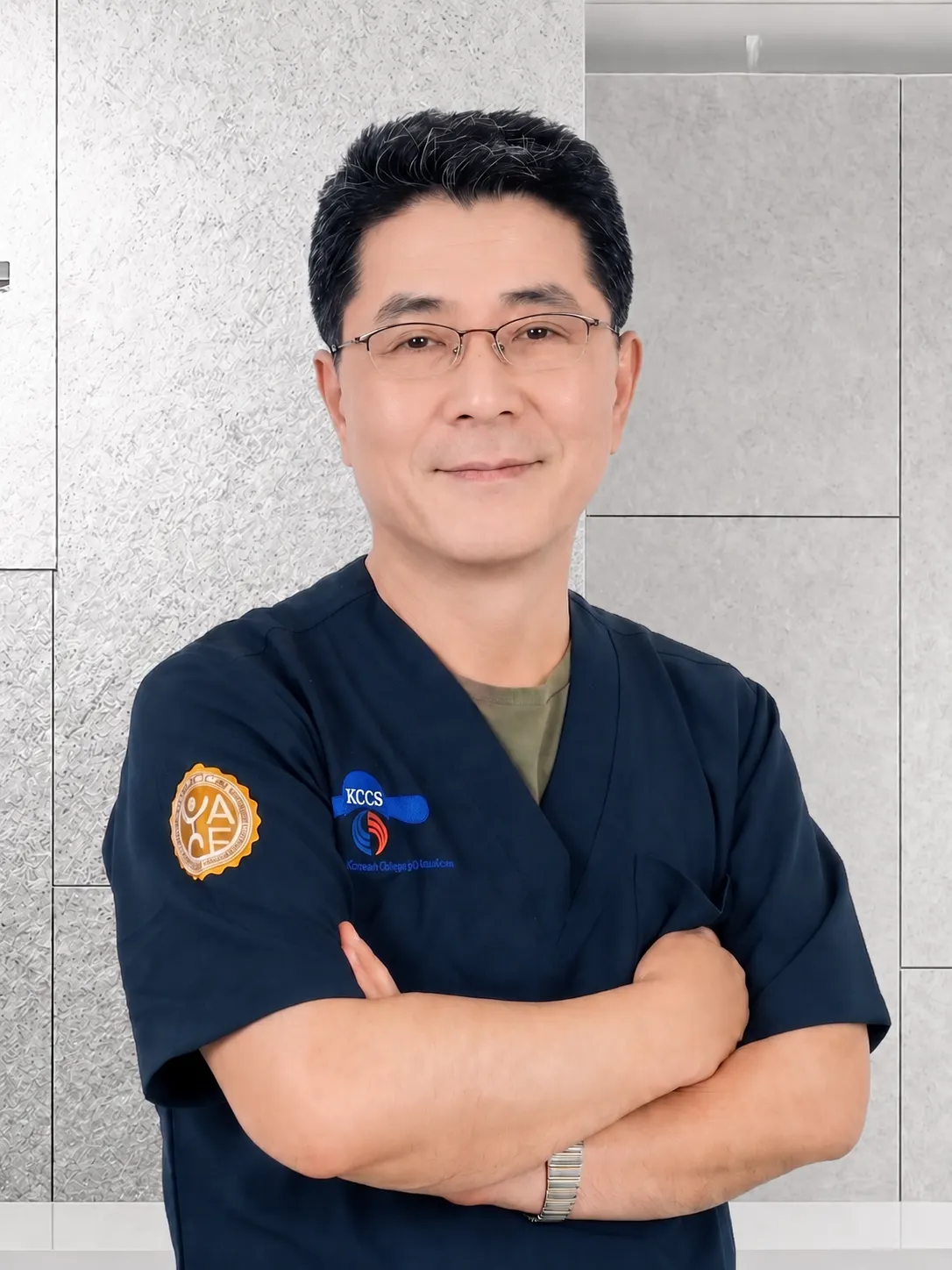
At Pascal Clinic in Sinsa, Seoul, plastic surgery and dermatology share one building, and scar revision is led by Dr. Bae Seung-joo, a board-certified plastic surgeon who trained in reconstructive plastic surgery at MD Anderson Cancer Center in Houston. The clinic's scar page names five things that change how a scar looks: its cause, depth, direction, height compared with nearby skin, and skin tension.
If your breakouts have been quiet for a while and the marks are what's left, send clear front and side photos on WhatsApp, plus one line on when you last had a flare-up. A coordinator passes them to your surgeon and replies with options for the kind of scar in your photos, so you know what the conversation in Seoul would be about before you book a flight.
Send your scar photos on WhatsApp
Get a free consultation in 1 minuteWhy is there no single best korean acne treatment?
Acne and acne scars are two different problems. Active acne is an inflammation that keeps producing new spots; a scar is a structural change in the skin that stays after the inflammation is gone. A treatment aimed at one usually does little for the other.
That is why searches for "best korean acne treatment" return such a mix: face washes, spot treatments, lasers and surgery all sit on the same results page. Korean skincare for acne, including gentle cleansers and spot products, is built for mild, everyday breakouts. Deeper or persistent acne is a medical condition that a doctor treats, and those treatments take place over weeks of regular contact, which is hard to fit into a short trip.
The American Academy of Dermatology advises getting acne under control before treating the scars, because new breakouts can create new scars on skin you've just treated. For a traveler, this sets the order: settle the acne at home, then plan the scar trip.
Six questions to ask any clinic before you book
The questions below work for any clinic in Korea or at home. Ask them through the clinic's messenger before booking, and again in the consultation room.
| Question to ask | Why it matters | A clear answer sounds like |
|---|---|---|
| Is my acne active or settled? | Scar work over active acne can leave new marks | They ask when you last broke out |
| Who examines my skin? | You want a named doctor with a public profile | A name and a specialty you can look up |
| What type of scar is this? | Depressed and raised scars are treated differently | They describe depth and shape, not a package |
| Why this method for my scar? | Each method suits certain scar features | The reason points to your scar, not a menu |
| How will the area look when I fly? | Healing skin travels with you | Plain words about redness, swelling or stitches |
| Who do I contact once I'm home? | Problems can appear after the trip | A named channel and records you can carry |
Two of these deserve a longer look: who examines you, and what happens after you leave Seoul. They're covered in the next sections.
How can you check a Korean doctor's credentials from abroad?
Start with the clinic's own doctor pages and look for specifics: board certification, where the doctor trained, and past hospital positions you can search for independently. A page that lists "expert" without a single institution gives you nothing to verify.
At Pascal, each doctor has a public profile, and the clinic states who treats what. Dr. Bae focuses on scar reconstruction, facelift, nose and eyelid surgery. His profile lists him as a former head of plastic surgery and professor at Konyang University Hospital in Daejeon, a former head of plastic surgery at Yongin Gangnam Hospital, and records that he passed USMLE Steps 1, 2 and 3.
You can read the full list on Dr. Bae's profile. You meet your surgeon at the consultation, so ask by name which doctor will examine your scars.
One more check: does the clinic treat scars as their own category, separate from general skin care? Pascal lists scar revision surgery as its own treatment, with the method chosen from the shape, depth and location of the scar.
What the exam looks at on acne-scarred skin
An acne scar exam is mostly about shape and light. Depressed scars sit below the surrounding skin and cast small shadows; raised scars sit above it. Within each group, the edges, the depth and the width at the base matter, because a method that lifts a soft, rolling dip may do little for a narrow, deep pit.
A scar lying against the natural pull of the skin tends to stretch and look wider over time, and that changes what a revision can realistically do.
Doctor's note
When I look at acne scars, I find that the colour usually worries people more than it worries me. Redness and brown marks often fade with time, while a dip in the surface or a scar pulled wide by tension usually stays.
If you want to see how these features steer the choice between surgery and non-surgical care, the clinic's guide on scar revision methods and recovery in Seoul walks through it. Readers weighing non-surgical skin options can also see how Ultherapy and Ultherapy Prime differ, though lifting devices are aimed at sagging rather than scars.
What are the risks, and what happens after you fly home?
Every scar procedure carries risk. Surgery can lead to bleeding, infection and inflammation, and your surgeon explains these before you decide. Treated skin can also stay red or swollen for a while, and on darker skin tones inflammation can leave brown marks called postinflammatory hyperpigmentation, as DermNet describes. Sun exposure on the trip home can make those marks more noticeable.
The U.S. Centers for Disease Control and Prevention suggests that medical travelers talk to a doctor at home before going, carry copies of their medical records, and arrange follow-up care for after they return. For acne scar work, that means a dermatologist or GP at home who knows what was done in Seoul and has the written details.
Who shouldn't book yet: anyone still getting new breakouts, anyone with an active skin infection in the area, and anyone who can't avoid strong sun right after treatment. Individual results vary. Your surgeon confirms suitability at an in-person exam.
Send your photos and the dates you're considering on WhatsApp. A coordinator passes them to your surgeon and replies with options for your scar type, so you can see which kind of treatment you're planning around before you fix your days in Seoul.
Send your scar photos on WhatsApp
Get a free consultation in 1 minuteGetting to the clinic on a short trip
Pascal Clinic is at 157 Dosan-daero, Sinung Tower Two (6F–8F), Sinsa-dong, Gangnam-gu, a short walk from Sinsa Station (Line 3 · Shinbundang Line), Exit 8.
The clinic is open Monday to Friday 10:00–19:00 and Saturday 10:00–17:00, and closed on Sundays and public holidays, so plan the consultation for a weekday or Saturday rather than your arrival Sunday.
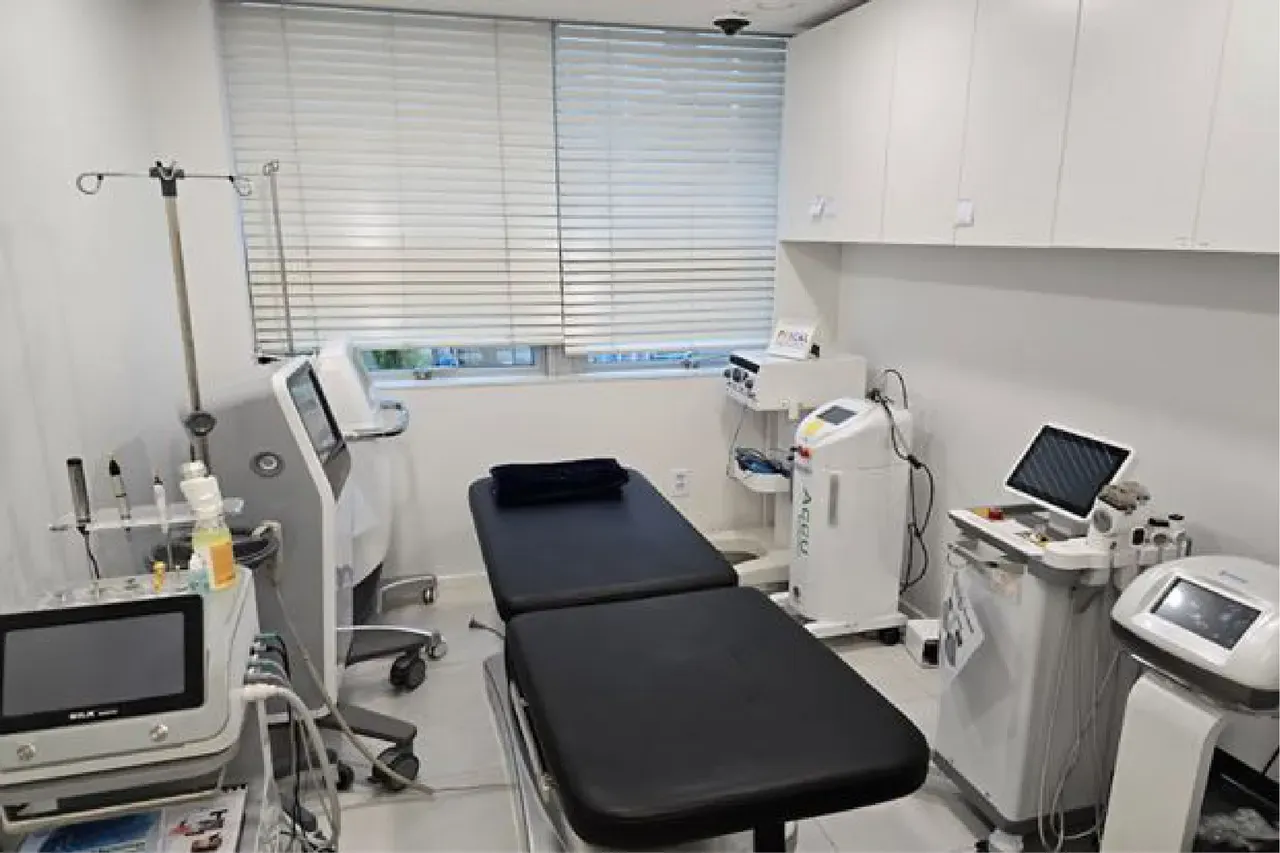
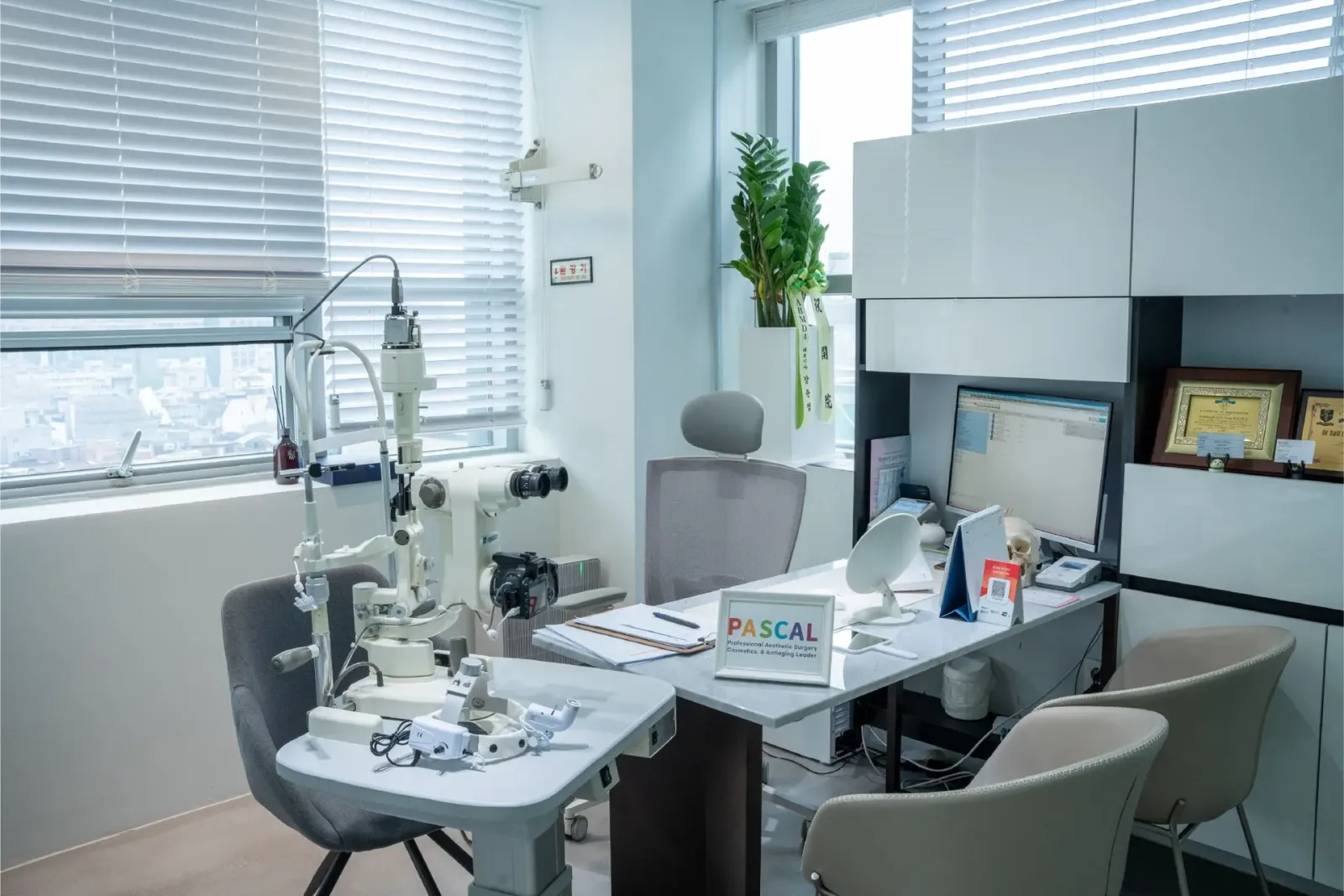
Operating rooms, recovery rooms and treatment rooms are on site, across three floors of the same building. If you've had scar treatment elsewhere and want it looked at again, Pascal also treats revision cases for scars; bring the details of what was done before.
A useful first step: send daylight photos of the scarred area, front and side, on WhatsApp with one question, "Are these scars ready to treat?" A coordinator passes them to the surgeon and replies with the treatment options for those scars. Then your first conversation is about your own skin, not the best korean acne treatment in general.
Frequently asked questions
Can Korean skincare products fix acne scars?
Korean skincare for acne is built for mild breakouts and day-to-day care. Redness and brown marks after acne often fade over time, but depressed scars that sit below the skin surface usually need a procedure chosen by a doctor, according to the American Academy of Dermatology.
Should I treat acne scars while I still get breakouts?
Usually not. The American Academy of Dermatology advises getting acne under control first, because new breakouts can create new scars on skin you have just treated. Settle the acne at home, then plan the scar trip.
Which doctor at Pascal sees acne scars?
Dr. Bae Seung-joo focuses on scar reconstruction, along with facelift, nose and eyelid surgery. He is a board-certified plastic surgeon with a medical doctorate who trained in reconstructive plastic surgery at MD Anderson Cancer Center.
Can Pascal look at a scar that was treated at another clinic?
Pascal treats revision cases for eyelids, noses and scars. Send your photos and the details of your previous treatment on WhatsApp, and the team will tell you whether a revision is likely to help.
What should I bring to an acne scar consultation in Seoul?
Bring a list of past acne and scar treatments with rough dates, the products and medicines you use now, and any records from your doctor at home. Copies of your Seoul records will also help your follow-up doctor once you are back.
This article is general information, not medical advice. Individual results vary, and surgery carries risks such as bleeding, infection and inflammation. Your surgeon confirms suitability at an in-person exam. Read the medical disclaimer.
Scar reconstruction · Facelift · Rhinoplasty · Eyelid surgery · Skin