Acne scars treatment korea works on the same principle as anywhere else: the type and depth of each scar decides between resurfacing, filling, releasing or excising it, and most faces need a mix over several visits. If you're flying in, the worry is usually more practical: how red your skin will look when you board the flight home, and what happens if it reacts once you're back. A handful of common beliefs make that worry worse, and five of them are checked below.
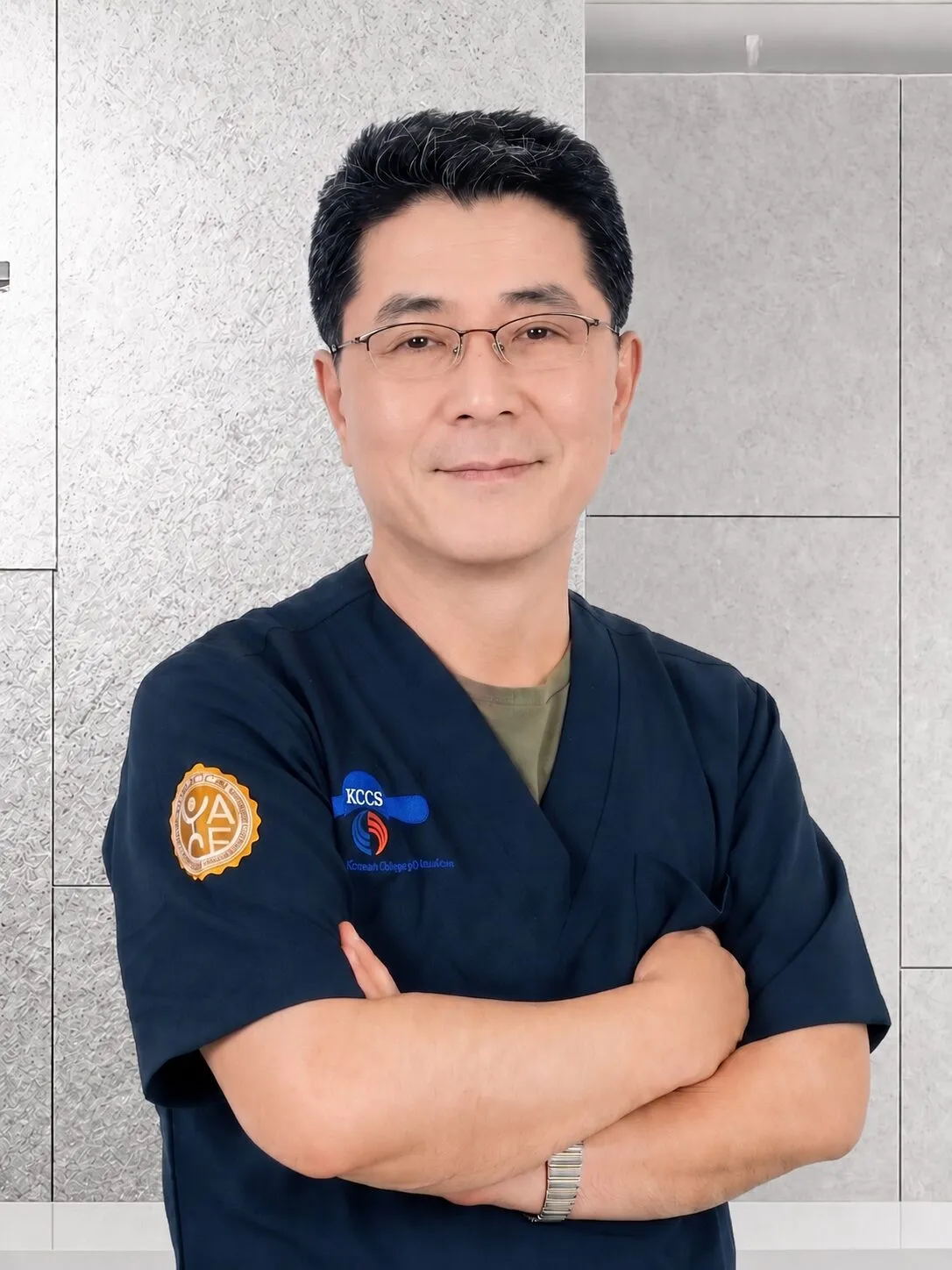
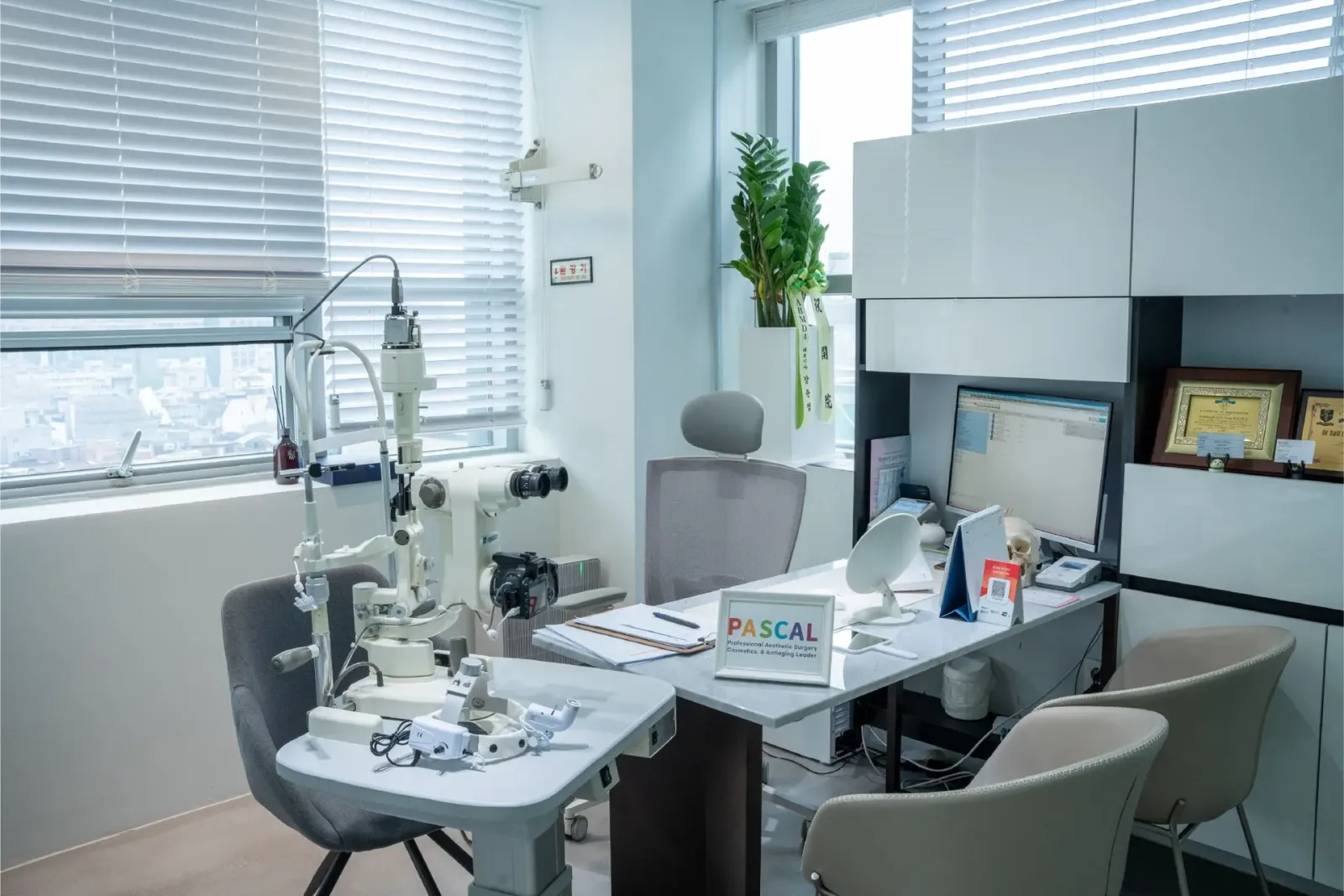
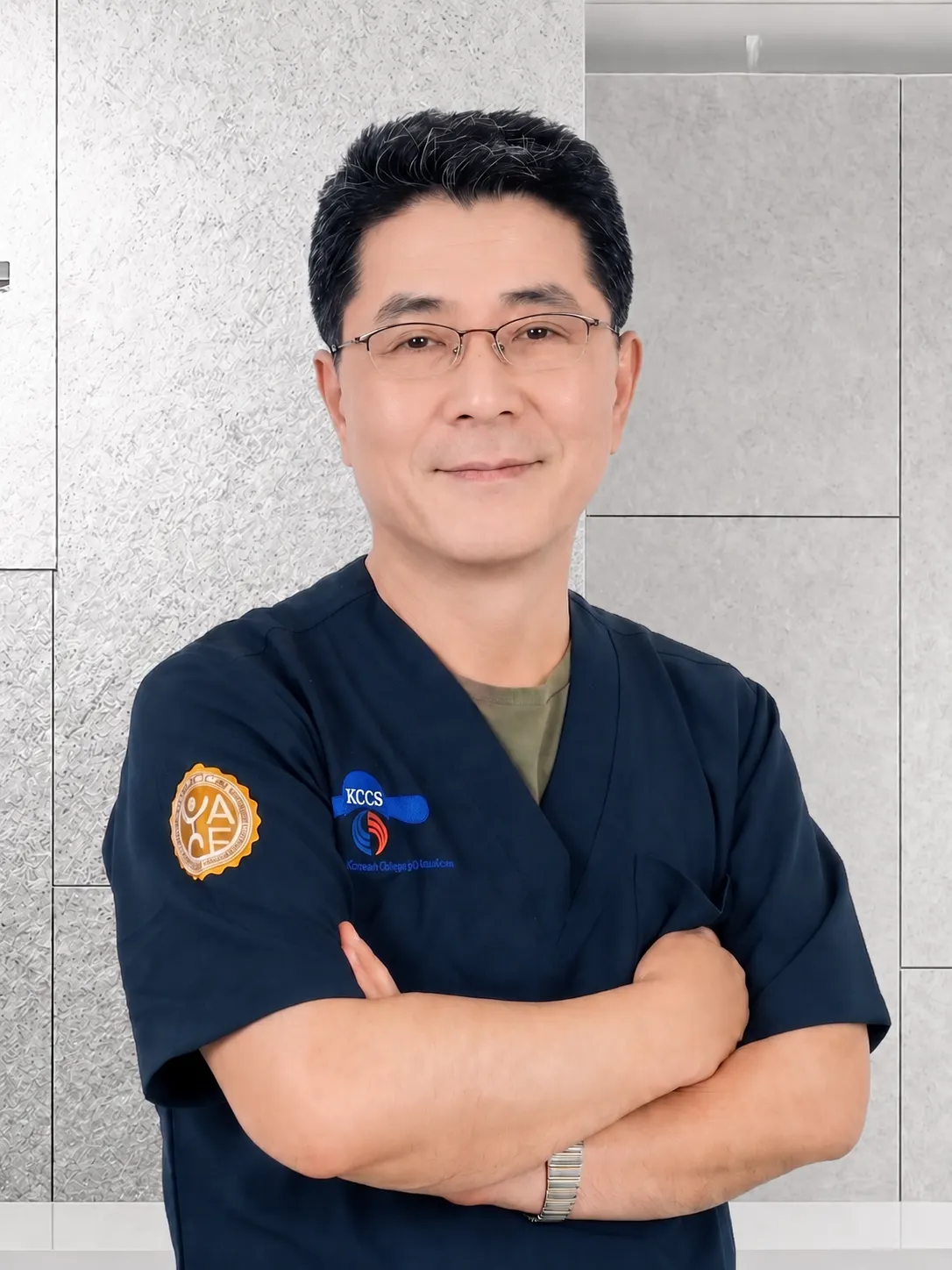
At Pascal Clinic in Gangnam, plastic surgery and dermatology share one building, so surgical scar revision and skin treatments can be weighed in the same visit. Scar revision is led by Dr. Bae Seung-joo, a plastic surgeon who trained in reconstructive plastic surgery at MD Anderson Cancer Center in Houston.
If you'd like a first read before you book flights, send clear front and side photos of your scars on WhatsApp, ideally in daylight with the light coming from one side. A coordinator passes them to your surgeon and replies with the options that fit what the photos show, so you can see if skin treatment, surgery or both is the likely path.
Send two scar photos on WhatsApp
Get a free consultation in 1 minuteWhich acne scars do you have? The type sets the plan
Whatever acne scars treatment korea offers, the plan starts with the same sorting: three depressed scar types, plus raised scars, cover most faces, and each responds to a different method. Dermatologists sort them by shape and depth because, as a 2017 review in the Journal of Clinical and Aesthetic Dermatology (JCAD) puts it, matching the method to the subtype is what makes a plan work.
| Scar type | What it looks like | Methods usually considered |
|---|---|---|
| Icepick | Narrow, deep, V-shaped pit | Punch excision, focused resurfacing |
| Boxcar | Round or oval dip with sharp vertical edges | Resurfacing if shallow, excision if deep |
| Rolling | Wide, wavy dips from bands tethering skin down | Subcision, adding volume |
| Raised | Firm scar above the skin surface | Injections, laser, sometimes surgery |
Most people with years of acne have a mix. Redness left in the scars (scar-associated erythema) is usually treated before the depressions, because it changes how the skin responds to everything else.
Myth one: a Korean laser treatment for acne scars erases them in one session
No laser used in acne scars treatment korea, or anywhere else, erases scars in one visit. Resurfacing lasers remove or heat thin columns of skin so that new collagen fills in, and the effect builds over a series. The American Academy of Dermatology notes that some lasers need more sessions than others.
Depth matters more than the device. Shallow boxcar scars tend to respond to resurfacing, while deep boxcar and icepick scars resist it. The JCAD review states plainly that complete resolution of acne scarring is the exception rather than the rule. A useful goal is softer shadows under normal light.
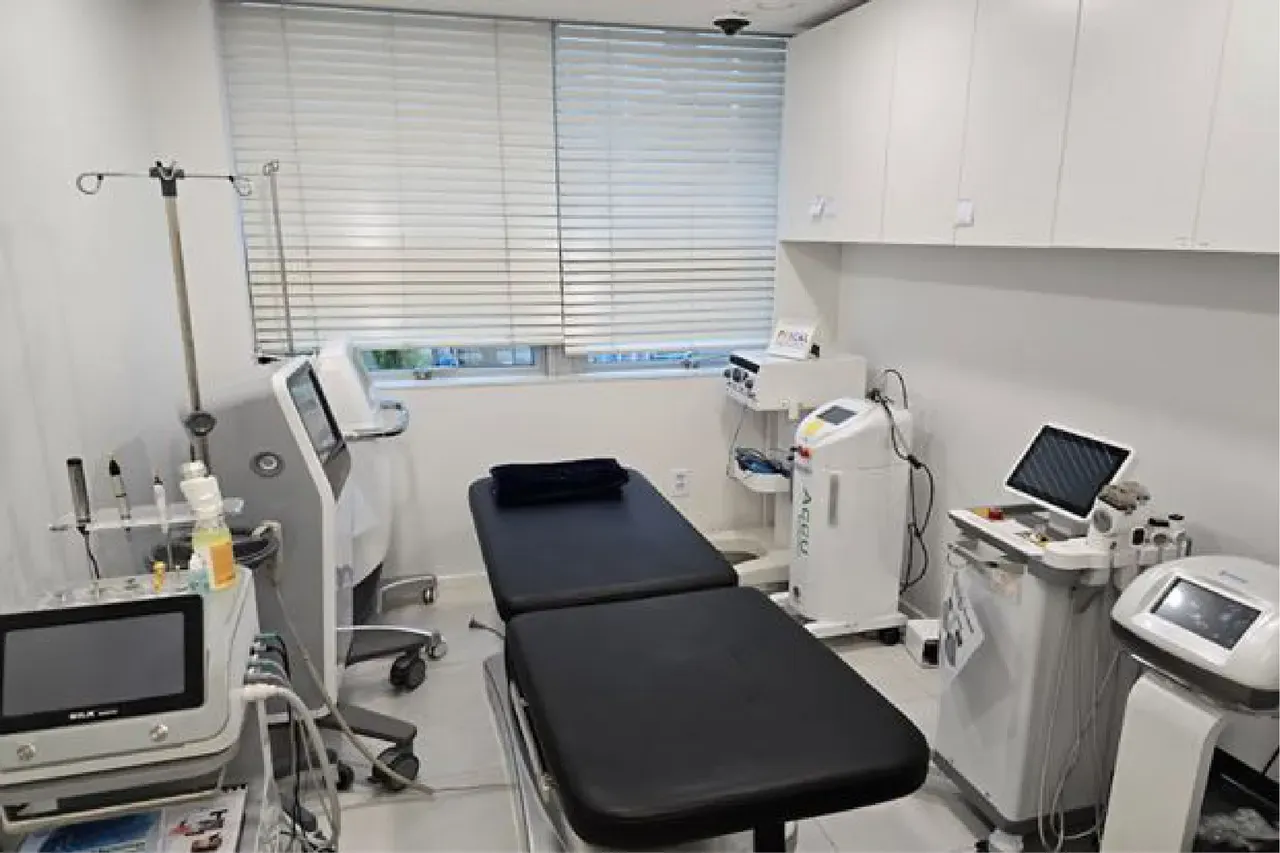
The clinic's laser room includes the UltraClear fiber laser. Whether any laser is the right first step for your face is something your surgeon decides after looking at the scar types you actually have.
Korean skincare treats acne, not the scar underneath
A face wash, a spot treatment or a full Korean acne treatment routine works on active breakouts and surface tone. A depressed scar is a structural change in the deeper skin, where collagen was lost or pulled down by fibrous bands, and a cleanser can't rebuild that.
Skincare still has a job. The AAD says scar treatment typically begins after acne is under control, and asks you to tell your dermatologist about any acne medication used in the past two years, because some scar treatments can cause side effects when started during or soon after certain acne drugs. If you're still breaking out, the honest first step is calming the acne, at home or with your own dermatologist, before planning a trip for scars.
Is scar revision surgery too much for acne scars?
For some scars, surgery is the smaller procedure. Punch excision is indicated for icepick and boxcar scars, according to the JCAD review, and subcision, which cuts the fibrous bands under a rolling scar so the skin can rise, suits rolling scars most.
Pascal's scar revision surgery page describes how a scar's shape, depth, direction and skin tension decide between surgery and non-surgical care. The same reasoning applies to a cheek full of acne scars: a few deep icepick scars may be better handled one by one, while broad rolling areas need a different approach. The clinic's guide to scar revision methods and recovery covers the surgical side in more detail.
Filling a scar is a different job from resurfacing it
Rolling scars often look worse because the skin is tethered and the area around it has lost volume. Adding volume lifts the dip from below. In acne scars treatment korea plans as elsewhere, the AAD lists fillers among the options for depressed scars and notes that most are temporary and need touch-up visits.
Facial fat grafting is on the clinic's treatment list, and Dr. Kang Kyoungjin, who focuses on fat grafting, developed the SAFI lifting fat grafting technique. Whether your own fat or a filler suits a scarred area, and whether the tethering needs to be released first, is a surgeon's decision at the exam.
Risks and recovery: can you fly home the day after acne scar treatment?
Sometimes, but the skin you fly home with is rarely calm yet. Resurfacing leaves redness and swelling for a period, excision leaves stitches that need removing, and subcision can bruise. Plan the trip around the method, which means you need the method first.
The risk that matters most for many travelers is color change. The JCAD review warns that blistering or bruising after laser can lead to darker or lighter patches (postinflammatory hyperpigmentation or hypopigmentation), and darker skin types carry more of that risk. Sun exposure on the flight and in the weeks after adds to it. Infection and slow healing are less common but possible after any procedure that breaks the skin.
What lowers these risks is mostly planning: treating active acne first, choosing settings and methods for your skin type, and leaving enough days in Seoul for the first check. The clinic is open Monday to Friday 10:00–19:00 and Saturday 10:00–17:00, closed on Sundays and public holidays, so a Saturday arrival and a Sunday flight leave no room for a review. Individual results vary, and your surgeon confirms suitability at an in-person exam.
If you already know the dates you can be in Seoul, send them together with your scar photos on WhatsApp. The options your surgeon suggests can then be matched to the days you actually have, before you commit to a flight.
Send two scar photos on WhatsApp
Get a free consultation in 1 minuteHow a surgeon reads acne scars at the exam
Two simple checks tell a lot. A light held low from the side shows the true depth, since overhead light flattens shadows. Then the skin is gently stretched: a scar that softens when stretched is usually a rolling scar held down by bands, while one that stays sharp is more likely icepick or boxcar.
Doctor's note
People who have been told at home that their scars are too deep often have a mix of types, and the deepest ones drive that verdict. I would rather separate the scars that can be excised from the ones that need lifting or resurfacing than treat the whole cheek one way. When a scar won't improve much with any method, I say so before anyone books a procedure.
These checks are also why photos help before you travel. A daylight photo with side light shows which scar types dominate, and that alone tells you whether korean acne scars treatment for you is likely to mean a skin series, a surgical session, or both.
What to bring when you come to Seoul
Bring a list of every acne medication you've taken in the past two years, with dates, and any records of earlier scar treatments such as lasers, peels or fillers. These change which method is safe to start with.
The U.S. CDC's medical tourism guidance also suggests carrying copies of your medical records and arranging follow-up care at home before you travel. Pascal is at 157 Dosan-daero, Sinung Tower Two (6F–8F), a short walk from Sinsa Station (Line 3 · Shinbundang Line), Exit 8.
Send two photos on WhatsApp, one straight on and one from the side, plus your travel dates. You get back the options that suit your scar types from your surgeon via a coordinator, and with them a sense of how many days in Seoul to plan, so you can judge if acne scars treatment in Korea fits before buying a ticket.
Frequently asked questions
Is acne scars treatment in Korea different from what dermatologists offer at home?
The methods are the same ones described in dermatology literature everywhere: resurfacing, subcision, excision and volume. What changes for a traveler is the schedule, because the method you need sets how many days you should stay in Seoul. Choose the method first, then book the trip around it.
Should my active acne be cleared before I come for scar treatment?
Yes. The American Academy of Dermatology says scar treatment typically begins after acne is under control. It also asks patients to report acne medications used in the past two years, since some scar treatments can cause side effects when started during or soon after them.
Do darker skin types need extra caution with acne scar lasers?
Yes. A review in the Journal of Clinical and Aesthetic Dermatology notes that blistering or bruising after laser can leave darker or lighter patches, and this is more likely in darker skin. Method and settings are chosen with your skin type in mind, and sun protection afterwards matters.
Which doctor sees acne scars at Pascal Clinic?
Dr. Bae Seung-joo focuses on scar reconstruction, facelift, nose and eyelid surgery and skin. Dr. Kang Kyoungjin focuses on eyelid surgery, fat grafting and lifting. You meet your surgeon at the consultation.
How many visits do acne scars usually need?
Most faces need more than one session, and combining methods is common because different scar types respond to different tools. The AAD notes that some lasers need more sessions than others, and most fillers need touch-ups. Your surgeon sets the number after the exam.
This article is general information, not medical advice. Individual results vary, and surgery carries risks such as bleeding, infection and inflammation. Your surgeon confirms suitability at an in-person exam. Read the medical disclaimer.
Scar reconstruction · Facelift · Rhinoplasty · Eyelid surgery · Skin